

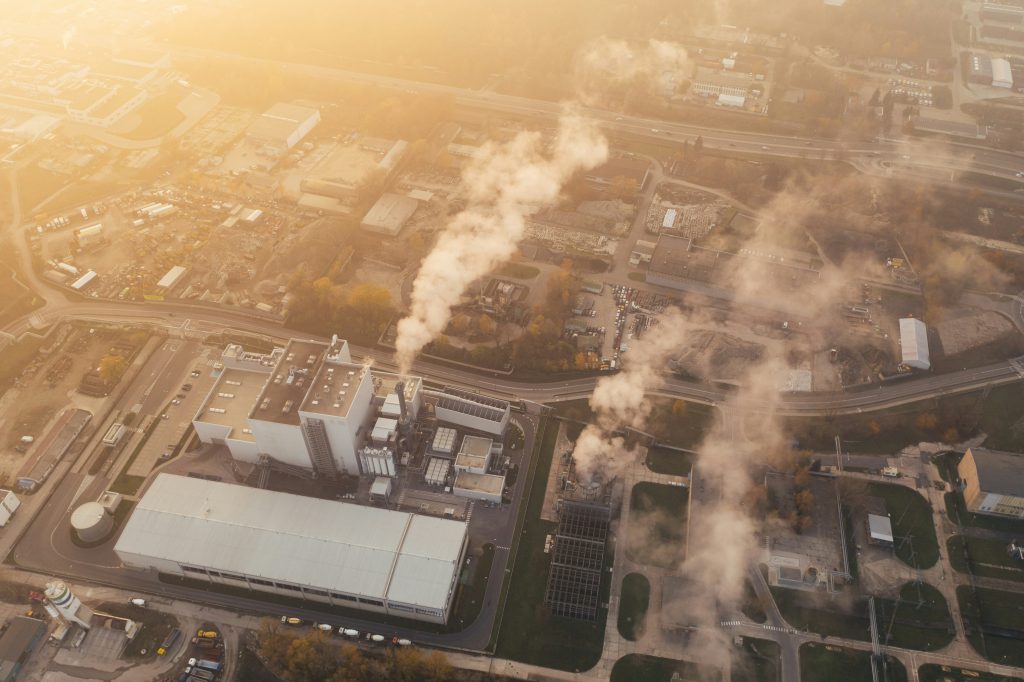
For over a hundred years, fossil fuels like coal, oil, and gas have powered our world. they built our industries, allowed us to travel globally, and helped billions of people escape poverty. But in 2026, we are facing a tough reality. The same resources that built our world are now causing global trouble. Dependence on fossil fuels and energy security issues are now at the forefront. Between shrinking resources, countries using fuel as a political weapon, and the need to fix the climate, energy security has become a massive challenge.
Energy security used to mean having enough fuel at a fair price. Today, it also means “energy sovereignty.” This is the ability of a country to meet its own needs without being controlled by foreign suppliers. With fossil fuels still providing 80% of the world’s energy, the risks are huge. This isn’t just about the environment; it is a threat to national safety and a stable economy.
The biggest threat to energy safety is that fossil fuels are only found in a few places. Unlike the sun or wind, which are everywhere, oil and gas are stuck in specific, often unstable regions. This gives a few “petrostates” too much power over the world. Lately, we have seen countries use energy exports to bully others. Cutting off a gas pipe can be just as damaging as a military attack.
The 2022-2024 energy crisis in Europe is a perfect example. When gas supplies were suddenly cut due to war, the whole continent scrambled for help. Factories closed, and home energy bills tripled. This proved that relying on imported fuel is a major weakness. When a country depends on a single neighbor for heat and light, it loses its freedom to make its own political choices.
Resource Control: Governments taking over energy assets to use as political leverage.
Shipping Bottlenecks: Risky routes like the Strait of Hormuz, where 20% of the world’s oil passes through.
Money Markets: How the oil trade affects the value of global currencies and banks.
Fossil fuels are global products. This means their prices are set on the world market. Every country is at risk of sudden price jumps. For poorer nations, a spike in oil prices can cause a debt crisis. This “energy inflation” hits the poorest families the hardest. They end up spending a huge part of their paycheck just on basic transport and heating.
In 2026, the world is dealing with “The Long Tail of Volatility.” Because we are moving toward green energy, companies aren’t building new oil wells. But at the same time, we haven’t stopped using oil yet. This gap keeps prices high and hard to predict. When fuel costs rise, everything from bread to plastic gets more expensive. We can only fix this by using more types of energy.
Subsidy Costs: Governments spend billions to keep fuel cheap for their people, which takes money away from schools.
Trade Gaps: Countries that don’t have their own oil face constant money stress from buying fuel.
Old Assets: The risk that trillions of dollars spent on oil pipes and plants will be wasted as we switch to clean power.
Our current energy systems are “centralized.” This means they rely on a few massive plants or refineries. In an age of hackers and drones, these are easy targets. One strike on a refinery or a digital attack on a pipeline can stop a whole region. To be safe in the 21st century, we need to spread our energy sources out so they are harder to break.
Also, our old pipes and plants aren’t built for today’s extreme weather. Paradoxically, the carbon from burning these fuels causes the very storms and fires that destroy the energy plants. In 2025, huge storms took out refineries on the U.S. Gulf Coast. This created a “feedback loop” where fossil fuels cause the weather that breaks the fuel supply chain. This is a major flaw in our current system.
Hackers: More digital attacks are targeting the companies that provide our power.
Falling Apart: The trillion-dollar cost of fixing 50-year-old pipes and stations.
Single Failure Points: How one local disaster can cause a blackout for a whole nation.
Military experts call climate change a “threat multiplier.” Relying on fossil fuels causes global warming. This leads to less water, people moving away from their homes, and more wars. For example, when rivers dry up, we can’t make hydro-power. This forces countries to burn more fuel to make up for it, making the climate even worse.
You can’t have energy safety without looking at the whole picture. A country might feel safe using coal today, but it won’t be safe tomorrow if droughts destroy its food supply. In 2026, we are seeing the first “Climate Refugees” in areas where energy and food systems have failed. Continuing to rely on carbon-heavy fuels is a gamble that we are currently losing.
Water Stress: Coal mines and power plants need massive amounts of water to stay cool.
Dirty Air: Health problems from smog cost the world trillions in lost work and hospital bills.
Nature Disasters: The long-term damage that oil spills do to our food sources, like fish.
The path to real energy safety is moving to local, clean power. No country can “turn off” the sun or wind for another nation. By investing in solar and wind, countries can win back their freedom. This shift isn’t just about the environment anymore; it is about national defense.
In 2026, we are seeing the rise of the “Electrified Economy.” Major powers are racing to get the minerals needed for batteries, like lithium and cobalt. This is the new “Mineral Race.” While clean energy stops us from worrying about oil prices, it creates a new need for these materials. However, once you build a solar panel, the fuel is free forever. A gas plant, on the other hand, needs you to pay for fuel every single day.
Local Power: Using rooftop solar and batteries to make the grid harder to break.
New Nuclear: Using small, safe reactors to provide steady, clean power.
Saving Energy: Why using less power is the fastest way to become energy independent.
Different countries are taking different paths. Iceland and Norway have used their water and heat from the earth to become energy independent. Their citizens didn’t feel the global price shocks of 2026. On the other hand, countries that stuck with “cheap coal” are now struggling with high health costs and new international taxes on their products.
Japan is a great example of a country trying to change. Since it has few resources of its own, it was hit hard by high fuel prices. Now, Japan is leading the “Hydrogen Economy.” They are investing in hydrogen ships and new ways to burn fuel more cleanly. This shows that energy safety is a choice a country makes, not just a matter of what resources are in the ground.
Morocco: Using the desert to send solar power to Europe.
Germany: The struggle to quit coal and foreign gas at the same time.
The Middle East: How oil-rich nations are building solar cities for the future.
The biggest problem with green energy is that it isn’t always available. In 2026, Artificial Intelligence (AI) is fixing this. Smart grids use computers to predict the weather and energy needs with 99% accuracy. By moving energy around and using batteries, AI keeps the lights on using clean power.
This tech is a huge win for energy safety. It allows for “Micro-grids.” These are small power systems that can run on their own if the main grid fails. For hospitals and military bases, this means the power stays on even if the national gas supply is cut. Digital energy is turning a weak system into a smart, self-healing network. However, we must protect these computers from hackers.
Virtual Plants: Linking thousands of home batteries to act like one big power station.
Direct Trading: Letting neighbors sell their extra solar power to each other using digital codes.
Smart Fixes: Using AI sensors to find and fix power lines before they break.
Relying on fossil fuels has brought the world to a dangerous point. In 2026, the old way of doing things—buying oil and gas from far away—no longer works. It leaves countries open to bullying, price spikes, and climate damage. The “Black Gold” that once made us rich now makes us weak.
The solution is to think of energy as something local, clean, and smart. To be safe, nations must:
Diversify: Use many different types of energy and many different sellers.
Spread Out: Build small, local power systems so one accident doesn’t stop everyone.
Go Clean: Realize that we can’t be safe in a world where the climate is falling apart.
The shift will be hard, and finding minerals for batteries will be the next big race. But a world of clean, local energy is the only safe way forward for us all.