
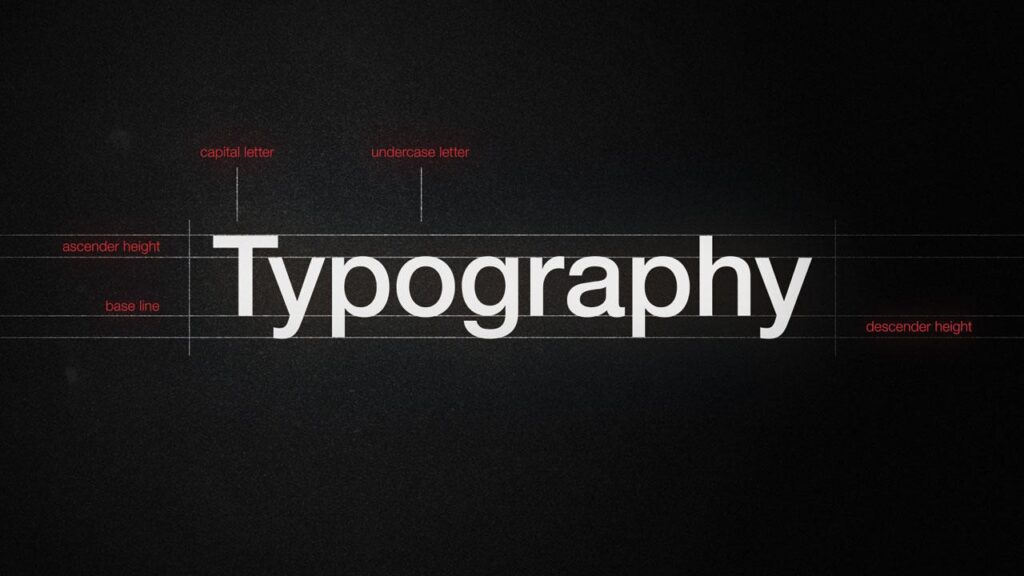
In the visual world of 2026, typography is more than just a background detail. It has become the main way brands tell stories and connect with users. Exploring modern typography font styles for graphic design is essential as choosing a font is no longer just about “clean” or “classic” looks. Instead, modern typography is a mix of psychology, tech, and art. As digital screens get sharper and print design stays simple, font choices define a brand’s entire identity.
Better screens and new “variable font” tech have made text easier to read than ever. Designers are now trying out fluid shapes, bold structures, and old-school styles that used to be seen as too risky. This article explores the top font styles of the modern era and how designers use them to grab your attention in a busy digital world.
Neo-Grotesque sans-serifs are the backbone of modern design, especially for apps and big brands. These fonts are known for being neutral and easy to read. They represent the best of simple, “Swiss-style” design. However, the 2026 versions of these fonts are much more advanced than the old versions from the 1950s.
Today’s Neo-Grotesques are built to be flexible. They have open shapes and tall letters so they look clear on everything from a tiny smartwatch to a giant billboard. Recent surveys show that over 65% of new tech companies chose these fonts last year. They use them because they feel “honest” and “clear.” This style is now a quick way to show that a brand is efficient and modern.
While simple fonts rule the web, “high-contrast” serifs are the new kings of luxury. These fonts have a big difference between thick and thin lines. They often end in very sharp, thin edges. This style feels classic but has a modern, “edgy” feel that stands out.
The return of these elegant fonts is a reaction to the “boring” trend of the last few years, where every brand started looking the same. In 2026, fashion brands and high-end magazines use these fonts to show they have history and style. When used with plenty of empty space, these fonts look like a piece of art on their own. They don’t need extra pictures to look professional.
The biggest tech leap in modern type is the Variable Font. This is a single file that holds an entire family of styles. Designers can slide a bar to change the weight, width, or slant instantly. They are no longer stuck with just “Regular” or “Bold” options.
In 2026, this has led to “Kinetic Typography.” Websites now use animations that make fonts grow thicker or thinner as you scroll. This isn’t just for show. It helps people read better on dark backgrounds. These fonts also make websites load much faster. Instead of downloading ten different files, the site only needs one. This can speed up a site by as much as 70%.
Design in 2026 has embraced a “New Ugly” style, also called Digital Brutalism. This style purposely breaks the rules of beauty. Fonts are often stretched, twisted, or piled on top of each other. It is a visual protest against the “perfect” and polished look of big tech companies.
This style works great for younger audiences like Gen Z. They value “real” and “unfiltered” looks over corporate polish. Brands in music and streetwear use these “glitchy” fonts to show they are part of the underground scene. Studies show that these unconventional designs get more likes and shares on social media because they look unique and raw.
As AI becomes part of our daily lives, many designers want to make tech feel more “human.” Humanist fonts do this by using shapes that look like they were drawn by hand. Unlike mechanical fonts, these have varying thicknesses and smoother curves.
These are the top choice for healthcare and wellness brands. They feel clean but not cold. In 2026, we see a “Soft-UI” trend. This is where rounded, friendly fonts are paired with soft colors to create a calm digital space. Statistics show that people trust information more when it is written in a Humanist font because it feels more “helpful” and less like a machine.
Typography in 2026 is very nostalgic for the “Groovy” 70s. This style uses thick, curvy letters and “melting” shapes. It is a warm, tactile style that stands out against the cold, flat designs we’ve seen for the last decade.
You see this most in food and drink labels. Craft beer and organic snacks use these curvy fonts to suggest their products are handmade and comforting. Designers are even using “Ink Traps”—little cut-outs in the letters meant for old printing presses—just to give the text a physical, old-school feel on a digital screen.
Once used only for coding and typewriters, monospaced fonts (where every letter takes up the same space) are now a major trend. This style feels like a “work in progress” or a high-tech blueprint. It is used to show expertise and transparency.
In 2026, you’ll find these fonts on luxury boxes and architect websites. Using a font that looks like a computer script suggests that a product is “engineered” with care. It is a simple look that relies on a clean, grid-like pattern to look interesting. It is also great for data-heavy designs like annual reports because the numbers line up perfectly in columns.
Geometric fonts are based on simple shapes: circles, squares, and triangles. This style is a favorite for brands that want to look “bold” and “timeless.” In 2026, the trend has moved toward “Ultra-Geometric” looks where the shapes are even more perfect and extreme.
These fonts are great for big logos and headlines, but they can be hard to read in long paragraphs because the letters look too similar. Designers solve this by using geometric fonts for big titles and switching to a simpler font for the small text. Studies in car design show that these fonts are easier for drivers to read quickly on a dashboard because the shapes are so distinct.
Typography in 2026 is about choosing the right “vibe” for the job. The choice between a cold, sharp font and a warm, curvy one changes how a user feels before they even start reading.
The future of design is moving toward text that is fluid and alive. By mastering these styles, designers can build brands that people don’t just see, but feel.