

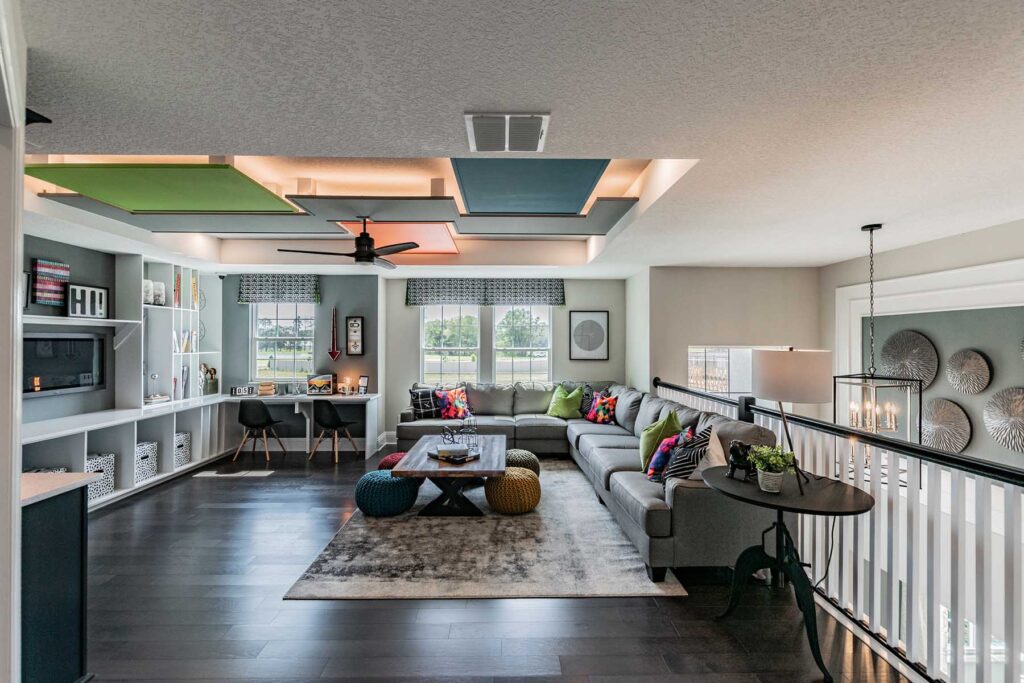
In today’s fast-paced world, the way families use their homes is changing really fast. Gone are the days when every room had a single, fixed purpose. Now, people want spaces that can shift, adapt, and evolve depending on what the day looks like. That’s where Flexible Family Spaces come in — a modern approach to home design that focuses on versatility, comfort, and creativity.
Whether you’re living in a small apartment, a medium-sized home, or a big house with extra rooms, flexible spaces can make your home feel more functional and more “you.” It’s all about designing areas that serve multiple purposes without feeling cluttered or chaotic. And honestly, the movement toward flexible living is not just a trend — it’s becoming a lifestyle.
Families today have different needs compared to a decade ago. Remote work, hybrid school, online workouts, home businesses, and growing hobbies mean that more activities now happen under one roof. A living room isn’t just a living room anymore — it can become an office, a classroom, or even a mini gym.
Flexible family spaces solve these challenges by offering:
Smooth transitions between activities
Less need for remodeling
More value in limited space
A cleaner, more organized home
Room for creativity and growth
Instead of building more rooms, families are choosing to use existing rooms smarter.
You don’t need expensive furniture or major renovations to make your home flexible. The key is choosing design elements that allow quick changes without too much effort.
Furniture that serves more than one function is basically the backbone of flexible spaces. Think of:
A sofa bed in the living room
A dining table that doubles as a craft or homework station
Storage ottomans that work as seats
Foldable desks that disappear when not in use
These pieces help you switch the purpose of a room in minutes.
Mobility is everything. Using lightweight tables, rolling carts, or modular shelves lets you change the layout easily to match the activity. Need space for a yoga session? Just slide your coffee table aside. Hosting guests? Bring back the seating arrangement.
This creates a room that feels dynamic rather than fixed.
You don’t need walls to create separate areas. You can “zone” a room using:
Rugs
Lighting
Furniture placement
Curtains or sliding panels
A reading corner, a play zone for kids, and a mini office can all exist in the same space without feeling messy.
Flexible spaces must stay organized, and the secret lies in good storage. Built-ins, under-bed drawers, multi-layer shelves, baskets, and wall-mounted units all help keep the room clean and easy to reset.
When items have a home, transitioning between uses becomes faster.
Decor shouldn’t limit function. Choose items that work with different moods and settings. Neutral colors create a calm base, while playful accents like cushions or art can change the vibe instantly.
Every family is unique, so flexible spaces should reflect your lifestyle. Here are some fun and practical ideas for different types of households:
Kids grow quickly, and so do their needs. A playroom today becomes a study room tomorrow.
Use soft floor mats that are safe for toddlers but still look stylish.
Choose modular toy storage so the room can transform when kids outgrow certain toys.
Keep one “open zone” for free play, dance time, or family board games.
Working from home has become a normal part of life. But not everyone has an extra room for a private office.
Install a foldable wall desk that pops open only during work hours.
Use decorative screens or bookshelves as a backdrop for video calls.
Place your workspace near a window to boost productivity and reduce stress.
If you love DIY projects, painting, crafting, or gaming, a flexible home lets creativity flow.
Use a rolling cart to hold supplies so you can work anywhere.
Choose a large foldable table for projects that take up space.
Keep a “creativity corner” that can switch between sewing, drawing, or building models.
Not everyone has room for a full home gym, but flexible spaces make it possible.
Use a foldable treadmill or compact stationary bike.
Store weights and yoga mats in stylish baskets.
Mount mirrors to make the room feel bigger and improve workout form.
When several generations live together, flexibility becomes even more important.
A guest room can also be a media room with a pull-out couch.
A shared study area can have adjustable-height tables for comfort.
Create quiet zones and social zones to respect different lifestyles.
Technology makes flexible living even smoother. Smart home devices help transform spaces instantly.
Smart lights can shift from work mode to movie-night mode with one tap.
Smart thermostats keep rooms comfortable based on use.
Wireless speakers can set the vibe depending on the activity.
Even small gadgets like cable organizers or wireless chargers help keep things neat and mobile.
If you live in a studio apartment or a compact home, flexibility isn’t just helpful — it’s essential. With the right approach, small spaces can feel bigger and more functional.
Try these tricks:
Use vertical shelving to free up floor space.
Pick furniture with hidden storage.
Use Murphy beds for comfortable sleeping without sacrificing space.
Choose sliding doors instead of swinging doors to save room.
You can even make a corner do triple duty as a reading nook, a mini office, or a relaxing tea space.
Flexible spaces aren’t just about design — they genuinely make family life better.
They reduce stress because the home adapts when life changes.
They make homes feel cleaner and less cramped.
They encourage creativity, productivity, and family interaction.
They help you host guests more comfortably.
They grow with your kids and your lifestyle.
When your home supports your activities instead of restricting them, daily life feels smoother and more enjoyable.
As lifestyles continue shifting, we’ll see even more innovation around flexible living:
Modular homes with movable walls
Smart furniture that changes shape or height
Transforming rooms powered by automation
Eco-friendly materials that support long-term adaptability
It’s safe to say that flexibility is becoming a core part of future home design.
Flexible Family Spaces aren’t just a design style — they’re a response to modern living. They help families do more with the space they already have, creating homes that change with daily needs, life stages, and personal routines.
Whether you’re building a new home, renovating, or simply rearranging your current space, adding flexibility will make your home more functional, more comfortable, and definitely more enjoyable.