

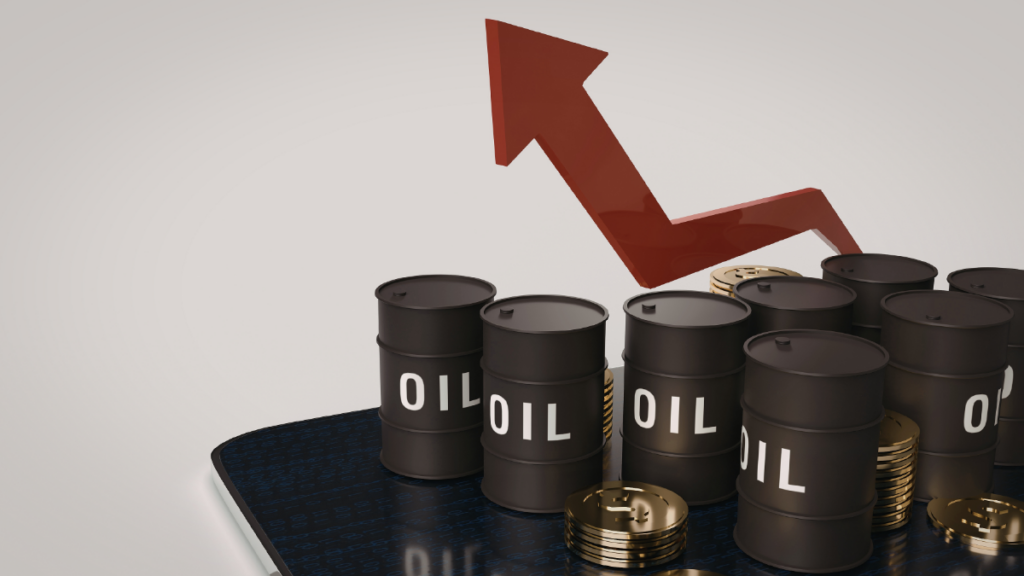
In early 2026, the world faces a tough reality. While we hope for a smooth move to green energy, we are stuck in a global energy crisis. For most people, this isn’t just a news story—it is a painful bill at the gas station and high monthly costs for light and heat. The Global Energy Crisis and Rising Fuel Prices have impacted people everywhere. Fuel prices have hit record highs due to war, low investment in oil, and extreme weather hitting solar and wind farms.
We are currently in a state of “energy dualism.” This means we are trying to quit old fuels like oil, but new green energy isn’t ready to carry the full load yet. The International Energy Agency (IEA) says energy demand will grow by 2.5% this year, but there simply isn’t enough supply. This article looks at why prices are jumping and how countries are trying to fix it.
World politics drive energy prices. In 2026, the global map is messy. Fights in Eastern Europe and the Middle East have cut off large amounts of oil and gas. Also, many countries are practicing “Resource Nationalism.” This means they are keeping their energy for themselves instead of selling it to others. This creates a “bidding war” that drives prices up for everyone else.
Oil prices have stayed high, around $110 to $120 per barrel. Countries that have to buy their oil from elsewhere, like Japan and much of Europe, are losing huge amounts of money. Energy is no longer just a commodity; it is a weapon used in modern diplomacy. This forces nations to pay more just to keep the lights on.
A big reason for high prices is that we stopped investing in oil and gas too soon. Over the last ten years, banks were pushed to stop funding fossil fuels to help the planet. While this was a good goal, it meant that very few new oil wells were drilled.
By 2026, old oil fields are drying up faster than new ones can be opened. It takes five to seven years to start a major new oil project. Because we didn’t invest between 2015 and 2022, we are now stuck with a supply gap that we can’t fix quickly. This means prices will likely stay “higher for longer” until green energy can finally take over.
The transport sector feels the pain first. Diesel powers the trucks, trains, and ships that move 90% of our goods. In 2026, diesel prices have shot up even faster than oil prices because we lack the factories to make it. This is being called the “Diesel Squeeze.”
Shipping companies are now adding huge “fuel surcharges” to their bills. This makes everything you buy more expensive. For example, some airlines have had to cut flights or raise ticket prices by 20%. Global travel is becoming a luxury again because jet fuel is so costly. This leads to “Cost-Push Inflation,” where everything costs more because it was expensive to move.
An energy crisis is also a food crisis. Natural gas is used to make fertilizer. When gas prices spike, the price of fertilizer goes up with it. This makes it much harder for farmers, especially in poorer countries, to grow enough food.
In 2026, fertilizer prices have doubled in many places. Farmers are using less of it, which means they are growing less food. This creates a “Food-Energy Loop.” It is expensive to grow food, expensive to move it, and the fertilizer itself is a luxury. Every time gas prices go up by 10%, global food prices usually follow a few months later.
For the average family, high energy prices act like an extra tax. It hits low-income families the hardest because they spend a huge chunk of their money on gas and electricity. “Energy Poverty” is now a major problem in 2026.
In many countries, people are spending less on fun things—like eating out or shopping—just to pay for their commute and heating. This “Demand Destruction” is slowing down the whole economy. We are seeing a mix of low growth and high prices, which economists call “stagflation.” People are forced to change how they live to survive the price hikes.
The crisis has two effects on green energy. On one hand, expensive oil makes solar and wind look like a great deal. On the other hand, the high cost of materials makes it expensive to build new wind farms.
Nations are now pushing for “Energy Sovereignty.” They want energy that comes from their own sun and wind so they don’t have to rely on other countries. We are also seeing a “Nuclear Renaissance.” Countries like Germany and Japan are keeping their nuclear plants open to provide steady power that doesn’t rely on oil or gas.
As prices rise, “Energy Efficiency” is the new priority. Companies are using AI to manage power in cities and factories. By predicting when people need power most, these systems can cut waste by 15%.
We are also seeing new types of batteries. Instead of expensive lithium, new “Long-Duration” batteries made from iron or salt are starting to work. These are important because they can store solar energy for days or weeks, giving us a backup when the sun isn’t shining or when oil prices are too high.
The energy crisis of 2026 is not just a temporary problem. it is a sign that the world is changing. We are moving away from cheap oil toward a cleaner but more complicated future. This path is rocky and expensive. The crisis has shown us that we cannot ignore energy security or stop investing in the systems we need to live.
Key Takeaways:
While the current situation is difficult, it is forcing the world to grow up. We are finally building an energy system that is efficient, diverse, and fit for the future. The pain of today is the fuel for a better, cleaner tomorrow.