

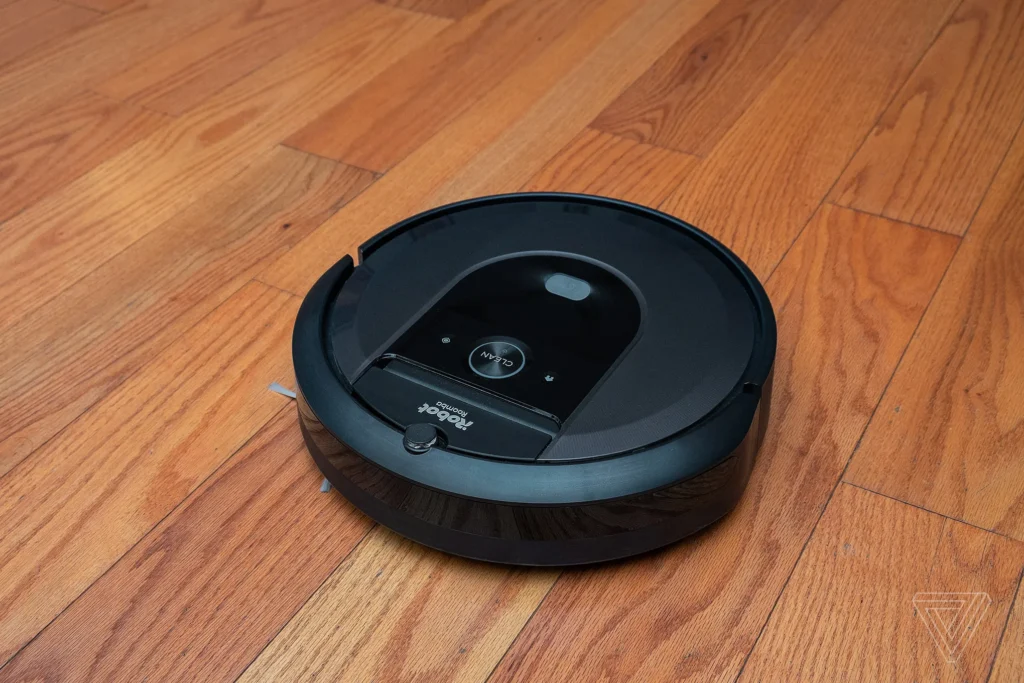
For years, iRobot was almost synonymous with robot vacuums. If someone mentioned a “smart vacuum,” chances are they were talking about a Roomba. The company didn’t just create a product; it basically defined an entire category. But somewhere along the way, iRobot lost its sense of direction. The company that once felt innovative and confident now looks like it’s struggling to find its way home.
So what actually happened? How did a brand with such a strong head start end up in such a difficult position?
iRobot’s story started in a pretty impressive place. Founded in 1990 by MIT roboticists, the company originally focused on robots for military and industrial use. These weren’t gadgets for everyday people; they were serious machines designed for dangerous and complex tasks.
Everything changed in 2002 when iRobot launched the first Roomba. It wasn’t perfect, but it was revolutionary. A small robot that could clean floors by itself felt futuristic at the time. Suddenly, robotics wasn’t just for labs and the military—it was in people’s homes.
The timing was perfect. The Roomba became a hit, and iRobot quickly turned into a household name. Over the next decade, the company released improved models, added better navigation, and built a loyal customer base. iRobot didn’t just sell hardware; it sold the idea of effortless cleaning.
Being first to market is a huge advantage, but it doesn’t guarantee long-term success. As the smart home market grew, competitors started paying attention. Brands like Shark, Ecovacs, Roborock, and Xiaomi entered the scene with aggressive pricing and fast innovation.
Many of these competitors offered features that matched—or even surpassed—Roomba models at lower prices. Things like LiDAR navigation, stronger suction, better mapping, and self-emptying docks became common much faster outside of iRobot’s lineup.
iRobot, meanwhile, seemed cautious. Instead of pushing boundaries quickly, the company focused on incremental updates. For loyal fans, that was fine. But for new buyers comparing specs and prices, Roombas started to feel expensive for what they offered.
One of the biggest turning points for iRobot came in 2022, when Amazon announced plans to acquire the company for around $1.7 billion. On paper, the deal made sense. Amazon had the smart home ecosystem, the logistics power, and the data expertise. iRobot had the brand and the robots.
But the deal immediately raised red flags for regulators. Privacy concerns became a major issue. iRobot’s devices map homes, track layouts, and collect detailed spatial data. Combine that with Amazon’s massive data ecosystem, and regulators started asking tough questions.
The acquisition dragged on for more than a year, stuck in regulatory reviews in the US and Europe. During that time, iRobot was stuck in limbo. It couldn’t fully plan its future, invest aggressively, or reassure customers and partners. Finally, in early 2024, the deal was officially called off.
The damage, however, was already done.
While iRobot waited for the Amazon deal to be approved—or rejected—competitors kept moving. New models launched. Prices dropped. Features improved. The robot vacuum market didn’t slow down just because iRobot’s future was uncertain.
Internally, the company faced layoffs, restructuring, and budget cuts. Morale reportedly took a hit. Innovation slowed even further, and marketing became more cautious. For a company in a fast-moving consumer tech space, that’s a dangerous position to be in.
When the Amazon deal collapsed, iRobot suddenly had to stand on its own again—but now with fewer resources and stronger competition than ever before.
Another problem iRobot faced was its heavy reliance on Roomba. While the brand tried to expand into other products like mopping robots and lawn robots, none of them truly broke through in a big way.
Roomba remained the core of the business, and that became a weakness. When competition in robot vacuums intensified, iRobot didn’t have enough successful side products to balance things out.
Other tech companies learned this lesson the hard way too: relying on a single flagship product can work for a while, but it’s risky in the long run—especially when competitors can copy hardware features quickly.
In modern hardware, software matters just as much as physical design. This is another area where iRobot started to fall behind. While competitors pushed advanced AI-based navigation, smoother apps, and better smart home integration, iRobot’s software experience often felt dated.
App redesigns and updates sometimes caused frustration instead of excitement. Bugs, usability issues, and slow feature rollouts didn’t help the brand’s image. In a market where user experience can make or break a product, these issues added up.
Perhaps the biggest loss for iRobot wasn’t financial—it was emotional. The company lost its image as the clear innovator.
At one point, owning a Roomba felt like owning the best robot vacuum available. Today, many consumers see it as just one option among many—and often not the best value. That shift in perception is incredibly hard to reverse.
Innovation isn’t just about new features. It’s about storytelling, confidence, and momentum. iRobot struggled to communicate a clear vision of what its robots could become beyond just “another vacuum.”
Despite all these challenges, iRobot isn’t completely out of the game. The brand is still well-known, trusted by many long-time users, and backed by decades of robotics expertise. That counts for something.
To find its way home, iRobot needs to do a few things fast:
Move aggressively on innovation, not cautiously
Rethink pricing and value, not just brand prestige
Improve software and user experience dramatically
Expand beyond robot vacuums in a meaningful way
Most importantly, iRobot needs to rediscover the confidence that made it special in the first place.
The story of iRobot is a reminder that being a pioneer doesn’t guarantee staying on top. Technology moves fast, and markets are unforgiving. Even iconic brands can lose direction if they hesitate too long or bet too heavily on the wrong path.
“How iRobot lost its way home” isn’t just about robot vacuums. It’s about what happens when innovation slows, competition accelerates, and a company forgets what made it bold in the first place.
Whether iRobot can reclaim that spirit is still an open question. But one thing is clear: in the world of consumer tech, standing still is the fastest way to fall behind.