

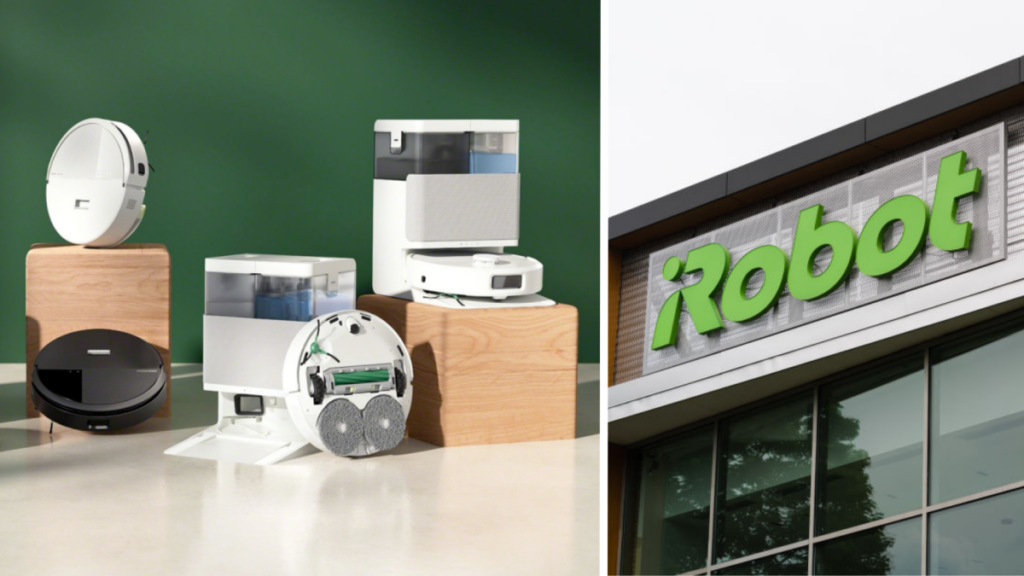
For a long time, iRobot was the face of home robotics. When people talked about robot vacuums, they didn’t say “robot vacuum,” they said “Roomba.” The brand became so popular that it practically defined the category. But in a surprising and sobering turn of events, iRobot has now filed for bankruptcy after failing to keep up with intense competition and rapid changes in the market.
This moment marks the end of an era—and raises big questions about how one of the pioneers of consumer robotics lost its edge.
iRobot wasn’t just another tech startup. Founded by robotics experts from MIT, the company had serious credentials from the beginning. Before entering homes, iRobot built robots for military and industrial use. That background gave the company a reputation for innovation and technical expertise.
Everything changed when Roomba was introduced. It was simple, clever, and genuinely useful. A small robot that cleaned floors on its own felt futuristic, and consumers loved it. Sales grew fast, competitors were few, and iRobot enjoyed years of market dominance.
But dominance doesn’t last forever—especially in consumer tech.
The robot vacuum market today looks very different from what it was when Roomba first launched. Dozens of brands now compete aggressively, especially from China and other Asian markets. Companies like Roborock, Ecovacs, Xiaomi, and Shark pushed out models with advanced features at much lower prices.
While iRobot relied heavily on brand recognition, competitors focused on speed. They introduced LiDAR navigation, smarter mapping, stronger suction, self-emptying stations, and better app integration—often at half the price of a Roomba.
Consumers started asking a simple question: “Why pay more?”
That question slowly but surely hurt iRobot’s sales.
One of the biggest criticisms of iRobot in recent years was that it stopped feeling innovative. Updates to Roomba models often felt incremental rather than exciting. While competitors launched dramatic improvements every year, iRobot seemed cautious and slow to respond.
In fast-moving markets, being careful can be dangerous. Technology consumers expect constant progress, and when that progress doesn’t happen, they move on. iRobot’s long development cycles made it harder to react quickly to changing trends.
By the time new features arrived, they were no longer special—they were already standard.
In 2022, iRobot announced plans to be acquired by Amazon. At the time, many people saw this as a lifeline. Amazon had deep pockets, a strong smart home ecosystem, and massive distribution power. In theory, it was the perfect partner.
But the deal quickly ran into trouble. Regulators in the US and Europe raised serious concerns about data privacy. Robot vacuums map the inside of homes, and regulators worried about how that data might be used if combined with Amazon’s existing systems.
The acquisition dragged on for over a year, leaving iRobot stuck in uncertainty. During that time, the company couldn’t fully invest in innovation or plan long-term strategies. Eventually, the deal was canceled.
Instead of saving iRobot, the failed acquisition weakened it further.
As financial pressure increased, iRobot was forced to make tough decisions. Layoffs followed. Research budgets were reduced. Product roadmaps were adjusted—or delayed.
Internally, morale reportedly dropped. Externally, investors and consumers lost confidence. Bankruptcy didn’t come overnight; it was the result of years of declining momentum.
By the time iRobot officially filed for bankruptcy, many industry watchers saw it as inevitable rather than shocking.
Another major issue was iRobot’s heavy dependence on Roomba. While the company experimented with other products, none achieved the same success. Mopping robots, lawn robots, and other concepts failed to generate strong demand.
This left iRobot vulnerable. When Roomba sales slowed, there was no backup product strong enough to support the business. In contrast, many competitors diversified faster or expanded into broader smart home ecosystems.
In modern tech, relying on one hero product is risky—and iRobot learned that lesson the hard way.
At its peak, Roomba felt magical. It was one of those rare gadgets that made people smile. Over time, that emotional connection faded. Newer brands didn’t just offer better specs; they offered excitement, value, and fresh design.
iRobot struggled to refresh its brand story. Instead of leading the conversation about the future of home robotics, it often reacted to what others were doing.
Once a brand loses its “leader” identity, it’s very hard to get it back.
Filing for bankruptcy doesn’t necessarily mean iRobot will disappear completely. In many cases, bankruptcy is a way to restructure debt, reorganize operations, and try to survive in a smaller form.
The brand still has value. The technology still works. Millions of Roombas are still cleaning floors around the world. But the company that once defined consumer robotics will likely look very different going forward.
There may be asset sales, licensing deals, or even another acquisition attempt in the future—just not on the same terms as before.
iRobot’s story is a warning for the entire tech industry. Being first doesn’t guarantee being best forever. Innovation must be continuous, not occasional. Brand power can fade quickly when competitors move faster and listen more closely to consumers.
It’s also a reminder that hardware companies face brutal pressure. Margins shrink, prices drop, and differentiation becomes harder every year. Without strong software, ecosystems, or services, hardware alone isn’t enough.
“Tak Kuat Bersaing, iRobot Ajukan Bangkrut” isn’t just a headline—it’s the summary of a long decline. iRobot didn’t fail because robots stopped being useful. It failed because the world moved faster than the company did.
The fall of iRobot is sad, especially for a brand that helped bring robotics into everyday life. But it also shows how unforgiving the tech market can be. Even legends can fall if they lose focus, move too slowly, or underestimate their rivals.
Whether iRobot can reinvent itself remains to be seen. What’s certain is that its rise and fall will be studied for years as one of the most important lessons in consumer technology history.