

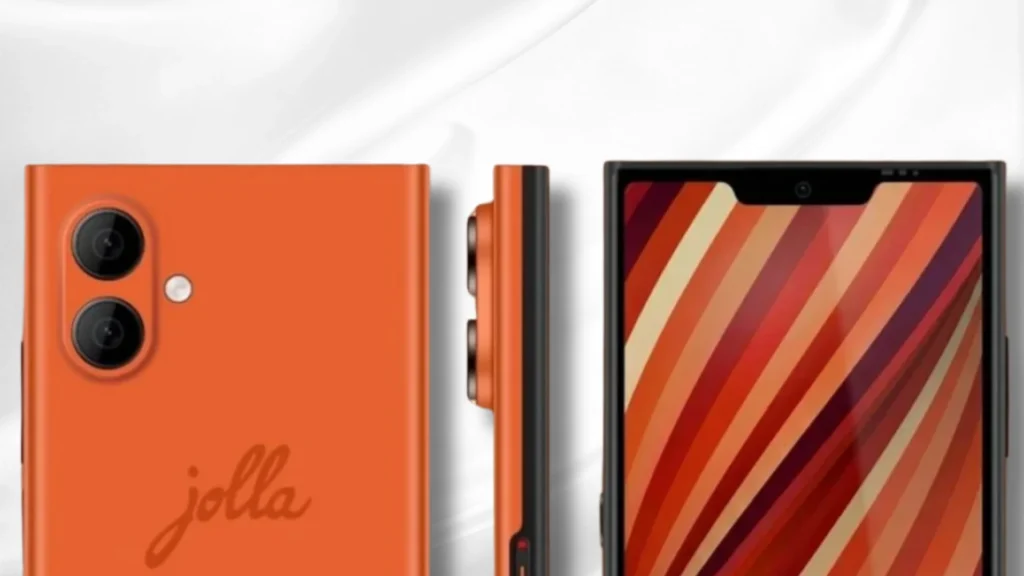
In a smartphone world dominated by Android and iOS, most people have gotten used to the idea that phones come with ecosystems attached. App stores, locked bootloaders, heavy tracking, and software updates you don’t really control. But every once in a while, a product comes along that tries to do things differently. The Jolla Linux Phone was one of those rare attempts.
Jolla wasn’t just another phone brand. It was a statement. A reminder that mobile devices didn’t always have to be closed, controlled, or built around ads and data collection.
Jolla was founded in Finland in 2011 by former Nokia employees who had previously worked on MeeGo, Nokia’s Linux-based operating system that never truly got its chance to shine. When Nokia shifted fully toward Windows Phone, the MeeGo team was left behind. Instead of giving up, they decided to keep the vision alive.
That vision became Jolla—a small, independent company focused on creating a truly open smartphone experience powered by Linux. Their mission was simple but ambitious: give users more control over their devices, both in hardware and software.
In 2013, Jolla launched its first device: the Jolla Phone, often referred to as the Jolla Linux Phone.
What set the Jolla Linux Phone apart wasn’t flashy hardware or high-end specs. It was Sailfish OS, a Linux-based mobile operating system designed to be fast, gesture-driven, and privacy-focused.
Sailfish OS didn’t copy iOS or Android. Instead of buttons, it relied heavily on swipe gestures. Want to go home? Swipe. Switch apps? Swipe. Notifications? Tap and gesture. Once users got used to it, the experience felt fluid and surprisingly modern—even ahead of its time.
Under the hood, Sailfish OS was built on Linux, which meant developers had deep control over the system. This attracted open-source enthusiasts, developers, and privacy advocates who wanted something more transparent than mainstream platforms.
One of the biggest problems with alternative mobile operating systems has always been apps. Good software means nothing if users can’t run the apps they need every day.
Jolla handled this smartly. Instead of forcing developers to build an entirely new app ecosystem from scratch, Sailfish OS included Android app compatibility. Users could install and run many Android apps without modification.
It wasn’t perfect—some apps didn’t work and performance varied—but for a small company, this was a clever move. It allowed users to keep using essential apps like social media, messaging platforms, and productivity tools while still enjoying a Linux-based phone experience.
The original Jolla Phone didn’t try to compete spec-for-spec with flagship devices. Instead, it focused on practicality.
It featured a 4.5-inch display, a removable battery, microSD expansion, and a unique “Other Half” concept. The back cover of the phone could be swapped out, and certain covers added extra functionality or design customization. It wasn’t just cosmetic—it was part of Jolla’s modular vision.
At a time when most brands were sealing batteries and removing expandable storage, Jolla was pushing in the opposite direction. That alone earned it respect in the tech community.
Long before privacy became a mainstream marketing buzzword, Jolla was already talking about it seriously.
Sailfish OS was built with user privacy in mind. There was minimal data collection, no aggressive analytics tracking, and no built-in ad ecosystem. Users had control over permissions and system behavior in a way that felt refreshingly honest.
For governments, enterprises, and privacy-conscious users, this became a major selling point. In fact, Sailfish OS later found adoption in secure and government-focused projects, especially in regions looking to reduce dependence on US-based tech giants.
Despite its strong philosophy, the Jolla Linux Phone faced real-world challenges.
Competing against Android and iOS is brutally difficult. App quality was inconsistent, marketing budgets were tiny, and hardware partners were limited. Jolla relied heavily on crowdfunding and community support, which helped—but also showed how fragile the business side was.
Financial struggles affected product availability and expansion plans. While the initial excitement was huge in the tech community, Jolla couldn’t break into the mainstream consumer market.
Still, survival alone was impressive.
Today, Jolla is no longer mainly known as a phone manufacturer. Instead, its true legacy lives on through Sailfish OS.
The operating system continues to evolve and is used in various projects, from custom devices to government-backed mobile initiatives. Jolla shifted its focus toward licensing Sailfish OS and supporting alternative mobile ecosystems rather than chasing mass-market phone sales.
This pivot might not make big headlines, but it aligns perfectly with Jolla’s original philosophy: independence, control, and openness.
Even though the Jolla Linux Phone never became a blockbuster, it matters more than many successful devices.
It proved that there is demand for alternatives. That users care about openness. That mobile doesn’t have to mean locked-down systems and constant tracking. Many features we take for granted today—gesture navigation, system-level customization, privacy awareness—were explored early by platforms like Sailfish OS.
In a way, Jolla influenced the conversation, even if it didn’t dominate the market.
The Jolla Linux Phone wasn’t perfect. It wasn’t powerful. It wasn’t mainstream. But it was honest.
For developers, Linux enthusiasts, and anyone who ever felt uncomfortable with how much control big tech companies have over personal devices, Jolla represented hope. A reminder that smartphones could still be user-first, not platform-first.
And in a mobile world that keeps feeling more locked down every year, that idea still matters.