

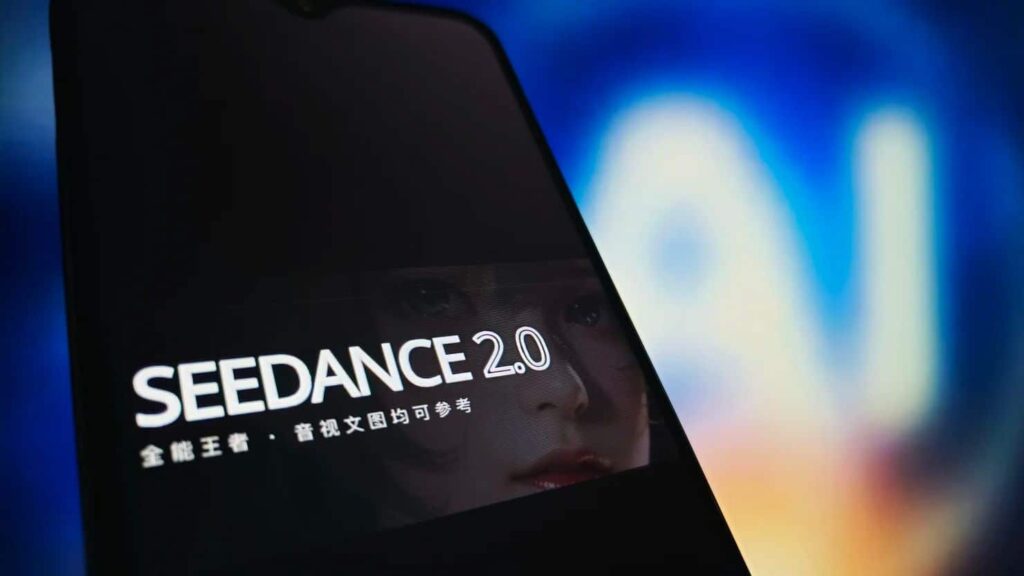
The tension between big tech and big entertainment just got real. Netflix warns ByteDance: halt Seedance AI or face lawsuit, and the message is anything but subtle. This isn’t just another corporate disagreement. It’s a signal that the fight over AI-generated content is entering a new phase.
As artificial intelligence tools get more powerful especially in video creation the lines between inspiration, imitation, and outright copying are getting blurry. And when billions of dollars in intellectual property are involved, companies aren’t going to stay quiet.
Let’s break down what’s happening, why Netflix is pushing back, and what this means for the future of AI and streaming.
Seedance AI is reportedly a video-focused artificial intelligence tool developed under the umbrella of ByteDance, the same parent company behind TikTok.
The platform is said to generate short-form and possibly long-form video content using advanced AI models. That includes scripts, scenes, and even stylistic elements that resemble existing entertainment formats.
And that’s exactly where the problem starts.
According to industry reports, Netflix believes Seedance AI may be producing content that mimics or derives too heavily from its original productions. Whether that involves training data concerns, stylistic replication, or structural copying is still unclear but the warning itself is loud.
Netflix has spent decades building one of the world’s largest libraries of original content. From global hits to niche series, its catalog represents billions in investment.
When Netflix warns ByteDance to halt Seedance AI or face a lawsuit, it’s likely about protecting intellectual property.
Here’s the bigger issue: AI models often train on massive datasets scraped from the internet. If copyrighted content is included without clear licensing agreements, that creates legal risk.
For streaming platforms, this isn’t a small matter. Original shows and films are their core assets. If AI tools can generate near-duplicates or stylistically similar content without paying licensing fees, it threatens the entire business model.
The AI industry has been dealing with this question for a while now:
Can companies train AI models on copyrighted content without permission?
Some argue that training data usage falls under fair use. Others strongly disagree.
When Netflix warns ByteDance over Seedance AI, it’s likely part of a broader pushback from content owners who want clearer legal boundaries.
This isn’t just about copying a logo or stealing a script. It’s about whether AI-generated content that “feels like” a Netflix production crosses a legal line.
And that line is still being defined.
ByteDance is no small player. With TikTok dominating short-form video globally, the company already has massive influence over digital content trends.
If Seedance AI becomes powerful enough to generate viral-quality video at scale, it could disrupt not just social media but streaming too.
Imagine creators using AI to produce serialized dramas or mini-films that look professionally made, without traditional production budgets. That’s exciting for innovation but risky for established studios.
Netflix likely sees this as more than just a minor product launch. It could be the beginning of a new competitive frontier.
The phrase “Netflix warns ByteDance: halt Seedance AI or face lawsuit” signals something deeper than one company defending itself.
We’re seeing a clash between:
Streaming platforms rely heavily on exclusive content. AI platforms rely heavily on vast datasets. When those two worlds collide, friction is almost guaranteed.
This situation mirrors similar disputes in music and publishing, where artists and media companies have challenged AI firms over training practices.
Several scenarios could unfold:
If negotiations fail, Netflix could file a formal lawsuit. That would set a major precedent in AI-generated video disputes.
The companies might strike a deal. ByteDance could license certain content or limit how Seedance AI trains its models.
Governments may step in to clarify how AI training data should be handled, especially when it involves entertainment giants.
Whatever happens, this case could shape future AI-media relationships.
One tricky issue is stylistic similarity.
If Seedance AI generates a dystopian sci-fi series that “feels like” a Netflix original but doesn’t copy exact scripts does that count as infringement?
Style is hard to trademark. But brand identity matters. Netflix has invested heavily in a recognizable production quality and storytelling tone.
If AI can replicate that vibe without copying specific content, legal arguments get complicated fast.
This is why the warning from Netflix to ByteDance matters so much. It forces the industry to confront these uncomfortable gray zones.
For creators, this kind of dispute creates uncertainty. If AI tools are restricted or heavily regulated, innovation could slow down.
For viewers, the impact might be subtle but significant. AI-generated video could lower production costs and increase content variety. But it could also flood platforms with derivative material.
The balance between creativity and protection is delicate.
Netflix likely wants to send a message: AI innovation is fine but not at the expense of original creators.
This situation adds fuel to global conversations about AI governance.
If Netflix follows through after warning ByteDance about Seedance AI, regulators may accelerate discussions about:
The entertainment industry has strong lobbying power. When a major streaming service raises concerns, policymakers listen.
When Netflix warns ByteDance: halt Seedance AI or face lawsuit, it’s not just corporate drama. It’s a preview of how AI and media industries will negotiate power in the coming years.
AI video generation is advancing rapidly. Platforms like ByteDance are exploring new creative tools. Meanwhile, streaming giants like Netflix are defending the intellectual property that fuels their business.
Somewhere in the middle lies the future of digital storytelling.
Will AI and entertainment companies collaborate?
Or will courtrooms decide the rules?
One thing is clear: the era of AI-generated media isn’t slowing down. And as technology keeps evolving, more confrontations like this are almost inevitable.
This could be the first major showdown between a global streaming powerhouse and a tech giant over AI-generated video.
And it probably won’t be the last.