

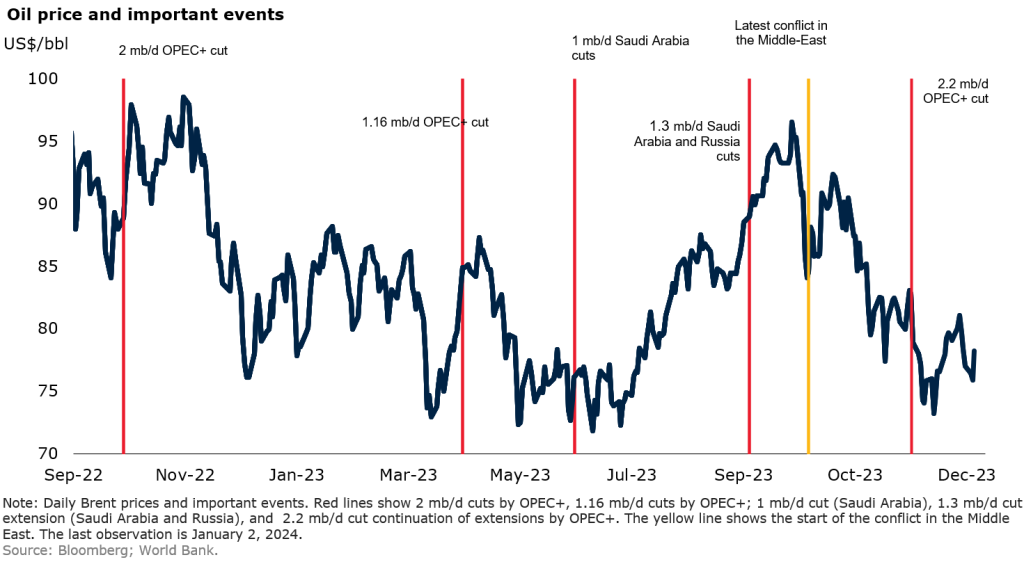
As of April 2026, the world energy scene is a high-stakes game between countries that produce oil and those that buy it. Oil production cuts—decisions by nations to pump less oil—are now the main way to control prices. Oil Production Cuts and the Fragility of Global Market Stability are constantly in the spotlight as these cuts help producers make more money, but they often make the global economy unstable. Since the world still relies on oil for travel, factories, and heat, even a small change in supply can cause problems everywhere.
The link between oil levels and market health is usually about supply and demand. However, in 2026, things are more complex due to political fights, the move toward green energy, and fast computer trading. When groups like OPEC+ hold back oil, they aren’t just turning a valve. They are changing inflation rates, bank policies, and national safety. This article looks at how these cuts work and the risks they create for everyone.
Basically, an oil cut is an attempt to make oil scarce. By pumping less, producers try to drive up the price per barrel to protect their income. This is mostly handled by OPEC and its partners, like Russia (OPEC+). In 2026, this group controls nearly 40% of the world’s oil, giving them the power to “squeeze” the market whenever they want.
The process starts with set limits for each country. Members agree to pump only a certain amount. However, this only works if everyone follows the rules. If one country “cheats” and pumps extra oil to make a quick profit, the market stays full and the plan fails. Today, satellites can track oil tankers easily, making it hard to hide extra production. Still, political tension between these nations often makes investors nervous, causing prices to jump.
In 2026, oil cuts are rarely just about money; they are part of a bigger political game. Conflicts in the Middle East and Eastern Europe have turned oil into a weapon. When a country is under pressure, it might cut its oil output to hurt its enemies’ economies.
A great example is the current trouble near the Strait of Hormuz. About 20% of the world’s oil travels through this narrow path. In February 2026, air strikes in the area caused oil flow to drop by 10 million barrels a day. This wasn’t a planned policy; it was a “forced” cut caused by war. Prices shot up from $60 to over $120 in just weeks. This shows that energy security is now tied directly to military safety.
The first thing people notice when oil prices rise is the cost of living. Oil is used for almost everything. It fuels the trucks that move food and the ships that carry goods. When oil prices go up, the cost of moving things sky-rockets. This forces businesses to raise their prices to cover their bills.
In 2026, experts fear “stagflation”—a mix of high prices and a slow economy. When oil is expensive for a long time, it acts like a “tax” on regular people. You spend more on gas and heat, so you have less money for everything else. This can cause the economy to shrink. For countries that have to buy all their oil, like Japan, these cuts can lead to a recession. It leaves banks with a hard choice: raise interest rates to stop inflation, or keep them low to help the economy grow.
When OPEC+ cuts oil, the world looks to the United States, Brazil, and Guyana to pump more. These countries help balance the market. By 2026, the U.S. oil industry has become very good at starting and stopping production quickly when prices change.
But this isn’t an instant fix. It takes time to drill new wells and get that oil to the market. Also, in 2026, U.S. companies are focused on giving profits back to their owners rather than just pumping as much as possible. This means the U.S. might not jump in as fast as it used to. Plus, the pipelines are often full, which creates a “bottleneck” that keeps prices high even if more oil is available.
A big example of this trouble happened during the winter of 2025-2026. Because of production cuts and maintenance delays, Europe ran very low on heating fuel. This caused a “double squeeze”: as oil vanished, the natural gas that usually comes with it vanished too.
The results were serious. Factories in Germany had to slow down because power was too expensive. Many families saw their heating bills triple. The crisis only ended when several countries released their emergency oil reserves. This event scared Europe’s leaders, leading them to pass new laws to move away from oil faster so they wouldn’t be at the mercy of foreign suppliers again.
In 2026, oil prices move faster than ever because of AI and high-speed computers. As soon as a cut is announced, these programs buy and sell oil in milliseconds. This often makes prices jump much higher than they should.
This “digital speed” is a nightmare for real businesses. An airline trying to plan its budget might see oil prices change by 5% in just one hour. This makes it very hard to predict costs. In 2026, the oil market feels more like a high-stakes casino than a simple commodity market. These rapid swings make the whole system more likely to break when a surprise happens.
One long-term result of oil cuts is that they make green energy look much better. For many countries, every oil cut is a reminder that relying on oil is a risk. In 2026, expensive and shaky oil prices are pushing people to stop using gas engines.
China and Europe are leading the way by building more chargers for electric cars (EVs). In China, half of all new cars sold in early 2026 were electric. By keeping prices high today, oil countries might be hurting their future. People are switching to solar, wind, and batteries because they are more stable and don’t depend on foreign politics. The “End of Oil” is coming faster because the oil market has become too unreliable.
Looking at the rest of 2026 and into 2027, oil markets will likely remain shaky. While cuts help producers in the short term, they have made the world stay on “high alert.” The use of oil as a political tool is here to stay, and that means prices will stay volatile.
However, change is coming. As more cars and heaters run on electricity, the power of oil cartels will fade. By 2030, experts think the world’s need for oil will stop growing. Until then, we must manage this “messy middle ground.” We still need oil, but we are moving toward a future where energy comes from many different, local sources rather than just a few big oil wells.
The link between oil cuts and global market trouble is a major part of the 2026 economy. Here are the key points:
In conclusion, while oil cuts help a few countries, they often cause chaos for everyone else. As the world moves away from fossil fuels, the drama in the oil market will remain a major challenge for years to come.