

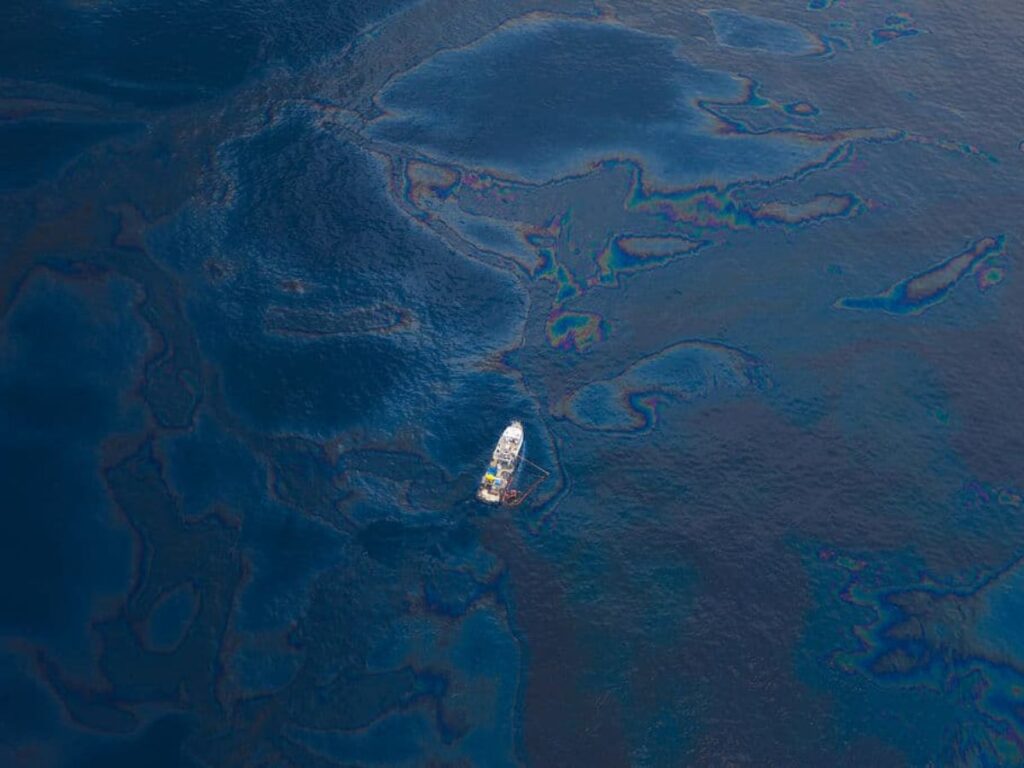
The ocean is the heart of our planet. It controls the climate, provides food for billions, and is home to most of Earth’s life. Yet, this vast water world is under threat from industrial accidents. Oil spills are among the worst, resulting in Oil Spill Environmental Damage And Marine Ecosystem Crisis. They turn blue waters into toxic, black graveyards. In 2026, the lessons of past disasters remain a major focus for those who protect our environment.
An oil spill is more than just a local accident. It is a shock to the entire ocean system. When millions of gallons of oil leak into the water, they start a chain reaction of destruction. This article looks at the deep damage caused by these spills, the crisis they create for sea life, and the long road to recovery that can take decades.
The moment oil hits the water, a chemical war begins. Crude oil is a mix of chemicals that are very poisonous. Some of the most dangerous are called PAHs. These toxins don’t just kill on contact; they stay in the environment for a long time. They build up in the bodies of animals, causing problems for years.
For many sea animals, the first danger is being covered in oil. Oil is thick and sticky. When it coats a bird’s feathers or an otter’s fur, it ruins their natural insulation. Without this protection, these animals can die from the cold (hypothermia). Also, when they try to clean themselves, they swallow the toxic oil. This leads to organ failure and death.
The death of large animals makes the news, but the worst long-term damage happens at the bottom of the food chain. Plankton are the tiny engines of the ocean. They are very sensitive to oil. Oil floating on the surface blocks the sunlight they need to grow. If the plankton die, every other creature that eats them suffers.
This problem moves up the food chain through “biomagnification.” Small fish eat poisoned plankton. Bigger fish eat the small fish. Eventually, top predators—including humans—eat the concentrated toxins. Years after a spill, we often see “recruitment failure.” This is when a whole generation of fish fails to grow because their food was gone or the water was too toxic. This creates a silent crisis that lasts long after the oil is gone.
The 2010 Deepwater Horizon spill is still the biggest warning for the world. For 87 days, 134 million gallons of oil poured into the Gulf of Mexico. It wasn’t just on the surface. This was a deep-sea blowout. It created massive clouds of oil deep underwater that harmed life we are still learning about.
The damage was huge. Over 1,000 miles of coast were poisoned. Hundreds of thousands of birds and turtles died. Even now, in 2026, researchers find oil buried in Louisiana’s marshes. Dolphins in the area still have lung disease and trouble having babies. This case proves that “cleaning up” a spill is a myth; the ocean never fully goes back to how it was before.
When oil hits the coast, it often gets stuck in mangroves and salt marshes. these areas are nurseries for young fish and protect the land from storms. But their tangled roots are almost impossible to clean. When oil covers the roots of a mangrove, the tree cannot breathe and it dies.
Losing these plants leads to the land washing away (erosion). Without roots to hold the soil, the tides wash the land into the sea. In many places, this kills the local fishing industry because the young shrimp and fish have nowhere to hide. These areas are so delicate that sometimes workers trying to clean the oil cause more damage just by walking there. This makes the recovery process very difficult.
The impact of an oil spill is written in the DNA of survivors. Research shows that oil causes “sub-lethal” effects. This means it doesn’t kill the animal right away, but it stops it from living a healthy life. This includes heart defects in fish, weak immune systems in sea lions, and changes in the genes of shellfish.
In 2026, we are still seeing the effects of spills from decades ago. In the Pacific Northwest, some orca whales haven’t had a healthy baby since a major spill in 1989. This means those groups of whales might disappear forever. Even if the water looks clean, the animal population may be “functionally dead” because they can no longer reproduce. This is the true tragedy of an oil spill.
Coral reefs are the “rainforests of the sea.” They are very easy to hurt with an oil spill. Corals are animals that stay in one place. Oil creates a toxic film over them. This can make the corals “bleach” (turn white) and die. Also, the oil stops new baby corals from growing on the sea floor, so the reef cannot heal.
When a reef dies, the whole area dies with it. The thousands of fish that live in the reef lose their homes. This is even worse because reefs are already struggling with warm oceans. An oil spill is often the “last straw” that destroys a reef forever. Since reefs take hundreds of years to grow, the damage from a spill is permanent for our lifetime.
Oil companies often talk about their “cleanup” tools like floating barriers and skimmers. But the truth is we are not good at removing oil from the ocean. Usually, only 10% to 15% of the oil is ever recovered. The rest evaporates into the air, sinks to the bottom, or stays on the beach.
The tools we use can even cause new problems. Chemicals used to break up oil make it disappear from the surface, but they make it easier for fish to eat the poison. In 2026, we are looking at using oil-eating bacteria to help. While this is a good idea, it is very slow. The only strategy that truly works is preventing the spill before it happens.
Because of these crises, international laws have changed. Ships now have double walls to prevent leaks. However, as we drill for oil in deeper water or in the Arctic, the risks get higher. An oil spill in the Arctic would be impossible to clean because the oil gets trapped in the ice and doesn’t break down in the cold.
By 2026, more people are calling for “Protected Marine Areas” where drilling is banned. These “blue parks” act like an insurance policy. If a spill happens in one place, these safe zones have enough healthy animals to eventually help the damaged areas. In the end, we must decide if the oil is worth the risk of losing a healthy ocean.
Oil spills are one of the biggest threats to our oceans. From the poison that kills in hours to the genetic damage that lasts for years, the “Black Death” leaves scars that rarely heal. Even with better technology, we cannot truly “clean” the ocean once it has been poisoned.
Whole System Harm: Spills hurt everything from tiny plankton to big whales.
Toxins Stay: Dangerous chemicals stay in the food chain for many years.
Slow Recovery: Many beaches and reefs never go back to being healthy.
Stop it Early: We must ban drilling in sensitive places like the Arctic.
The health of our ocean depends on moving away from risky oil. The ocean is strong, but it is not invincible. Protecting it requires a global promise to keep our waters clean and safe.