

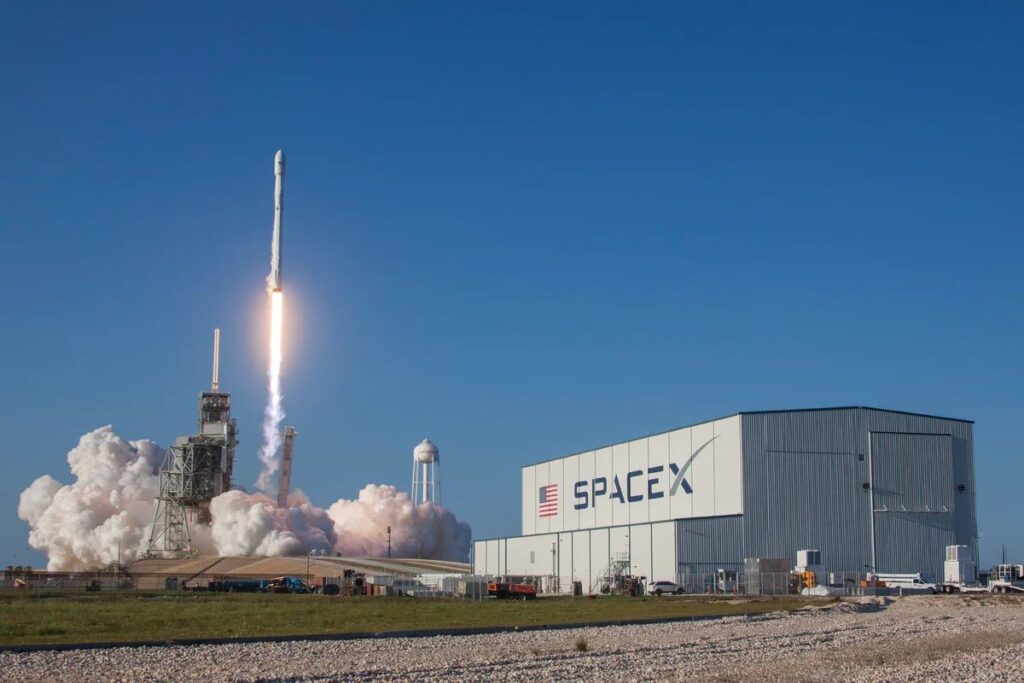
For years, SpaceX has been one of the most talked-about private companies in the world. Founded by Elon Musk, the company has reshaped how rockets are built, launched, and reused. Now, reports and growing speculation suggest that SpaceX may be planning an initial public offering (IPO) in 2026, a move that could become one of the biggest market events of the decade.
While nothing is officially confirmed yet, the idea of SpaceX going public raises big questions—about valuation, control, growth strategy, and the future of the commercial space industry.
SpaceX is not a typical unicorn startup. It sits at the center of multiple critical industries: aerospace, defense, satellite communications, and space exploration. Unlike many tech companies that go public to fund expansion, SpaceX already operates massive, revenue-generating businesses.
This includes Falcon 9 launches, government contracts with NASA and the Pentagon, and most importantly, its fast-growing satellite internet division, Starlink.
A 2026 IPO would give public investors access to a company that has so far been largely reserved for private funds, venture capital firms, and insiders.
One of the biggest reasons analysts believe 2026 could be the right moment is Starlink’s maturation. Starlink has moved far beyond the testing phase and is now serving millions of customers worldwide, from rural households to airlines and maritime services.
Unlike rocket launches, which can be cyclical and capital-intensive, Starlink offers recurring subscription revenue. That kind of predictable cash flow is exactly what public markets like to see.
If Starlink continues to scale and improve margins over the next few years, it could form the backbone of SpaceX’s public-market story.
SpaceX’s valuation has already climbed significantly through private funding rounds, putting it among the most valuable private companies globally. A 2026 IPO could push that valuation even higher—especially if market conditions remain favorable for tech and infrastructure companies.
However, going public also brings challenges. SpaceX would face increased financial transparency, regulatory scrutiny, and pressure from shareholders focused on quarterly performance.
For a company that thrives on long-term moonshot projects (sometimes literally), balancing short-term investor expectations with long-term innovation could be tricky.
Elon Musk’s role is another key factor in IPO discussions. Musk is known for maintaining tight control over his companies’ vision, even when public markets push back. Tesla’s experience shows both the upside and downside of this dynamic.
If SpaceX goes public, the structure of voting shares and governance will matter a lot. Investors will want exposure to SpaceX’s growth without feeling locked out of decision-making.
Musk, on the other hand, will likely prioritize preserving SpaceX’s independence—especially when it comes to ambitious projects like Mars exploration and Starship development.
A SpaceX IPO could completely reset expectations for the space economy. Public access to SpaceX stock could drive more capital into space startups, satellite companies, and launch providers.
Competitors such as Blue Origin, Rocket Lab, and emerging regional players might benefit indirectly as investor interest spills over into the broader sector.
At the same time, SpaceX going public could raise competitive pressure. With public metrics available, rivals would gain clearer insight into SpaceX’s performance, costs, and margins—information that’s currently more limited.
Despite SpaceX’s success, an IPO would not be risk-free. Rocket launches remain complex and inherently risky. Starship, while promising, is still under heavy development and subject to regulatory hurdles.
Government partnerships form a major part of SpaceX’s business, meaning changes in budgets or political priorities could affect future revenue. International regulations, especially related to satellites and spectrum, also add uncertainty.
Public investors would need to accept that volatility is part of the deal.
Timing matters. A 2026 IPO suggests SpaceX is waiting for more stable market conditions compared to the recent period of inflation, interest rate hikes, and tech stock corrections.
By 2026, markets may be more receptive to capital-intensive companies with long-term visions. If interest rates fall and tech valuations rebound, SpaceX’s debut could attract massive demand.
That said, delaying too long also carries opportunity costs. Competing technologies and geopolitical shifts could change the landscape.
If SpaceX does go public, it may structure the IPO in a way that highlights operational segments separately. Investors may want clearer visibility into launch services versus Starlink economics.
Another possibility is spinning off Starlink first, followed by a broader SpaceX listing later. This approach could reduce complexity and allow each business to be valued on its own merits.
Regardless of structure, any SpaceX IPO would likely be closely watched, heavily oversubscribed, and widely debated.
A potential SpaceX IPO in 2026 would be more than just a stock market event. It would represent a shift in how space infrastructure is funded and who gets to participate in humanity’s expansion beyond Earth.
For investors, it offers a rare chance to buy into a company that operates at the intersection of innovation, national interest, and global connectivity. For SpaceX, it could unlock new capital while bringing new scrutiny and expectations.
Whether or not 2026 ends up being the year, one thing is clear: when SpaceX finally goes public, it will mark a historic moment—not just for markets, but for the future of the space economy itself.