

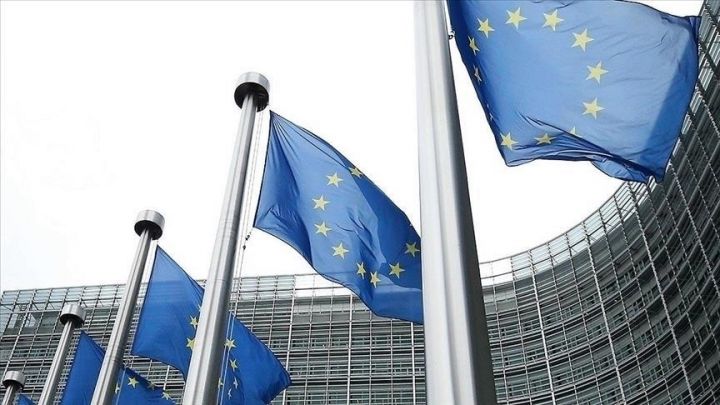
Meta is once again facing serious regulatory pressure in Europe. This time, the spotlight is on its messaging giant, WhatsApp. The phrase “WhatsApp AI under fire” is quickly gaining traction as the European Union prepares possible interim action against Meta over how artificial intelligence features are being deployed inside the app.
The issue isn’t just about innovation. It’s about data, transparency, and whether users truly understand how their information is being used. As AI tools become more embedded into everyday platforms, regulators are watching closely — and the EU is clearly not in a patient mood.
Why WhatsApp AI Is Under Fire in Europe
The reason WhatsApp AI is under fire has a lot to do with Europe’s strict digital and privacy laws. The EU has built a reputation for being aggressive when it comes to protecting user data. From GDPR to the Digital Services Act (DSA) and the new AI Act, Brussels has made one thing clear: tech companies must follow the rules.
Meta recently expanded AI-powered features across its platforms, including WhatsApp. These features may include AI assistants, automated responses, chat suggestions, and backend machine learning systems designed to improve user experience. On paper, that sounds helpful. But regulators want to know how these systems are trained and what data is being processed.
European authorities are reportedly concerned about whether Meta is using personal data to train AI models without clear consent. Even if data is anonymized, EU regulators tend to ask hard questions about transparency and fairness.
In short, WhatsApp AI is under fire because Europe wants to ensure that innovation doesn’t come at the cost of user rights.
What Is the EU’s Interim Action?
When people hear “interim action,” it might sound minor. It’s not.
Interim measures in the EU can be serious. They are temporary but powerful steps taken before a final ruling. If regulators believe there is potential harm happening right now, they can impose restrictions quickly.
In the case of WhatsApp AI under fire, interim action could mean:
-
Temporarily limiting certain AI features
-
Pausing AI rollouts in EU countries
-
Forcing Meta to provide more transparency reports
-
Demanding clearer user consent mechanisms
This isn’t a final judgment. But it’s a signal. And signals from the EU tend to ripple across the global tech industry.
Meta’s Growing AI Ambitions
Meta is heavily investing in AI. From generative AI tools to virtual assistants and smart recommendations, the company wants AI integrated everywhere — Instagram, Facebook, and WhatsApp included.
WhatsApp is especially important. With billions of users worldwide, it’s one of the most powerful communication platforms on the planet. Embedding AI inside WhatsApp isn’t just about convenience. It’s about long-term strategy.
AI inside messaging apps can:
-
Automate business chats
-
Improve spam detection
-
Offer real-time translation
-
Suggest responses
-
Power AI chat assistants
But the more AI interacts with private conversations, the more sensitive things become. That’s exactly why WhatsApp AI is under fire.
Privacy Concerns at the Core
Privacy is not just a checkbox in Europe. It’s a political and cultural priority.
Even though WhatsApp offers end-to-end encryption for messages, regulators may question what metadata or behavioral data is being used to improve AI systems. Metadata — like who you talk to, how often, and at what time — can reveal patterns even if message content is encrypted.
The key question regulators may be asking is simple: Is Meta clearly explaining what data is being used for AI training?
If the answer isn’t crystal clear, problems begin.
WhatsApp AI under fire isn’t just about technical compliance. It’s about trust. Once users feel uncertain about how their data feeds AI systems, public backlash can grow quickly.
The Bigger Picture: Europe vs Big Tech
This situation isn’t isolated. Europe has been actively tightening its grip on large technology companies for years.
Under the Digital Markets Act (DMA) and Digital Services Act (DSA), companies classified as “gatekeepers” face stricter obligations. Meta falls into that category.
The EU AI Act also introduces risk-based classifications for artificial intelligence systems. Depending on how WhatsApp’s AI features are categorized, Meta could face additional compliance requirements.
So when people say WhatsApp AI is under fire, it’s also part of a broader story: Europe shaping the global AI rulebook.
How This Could Affect Users
For everyday users, the situation might not feel dramatic — at least not immediately.
If interim action happens, possible user impacts could include:
-
AI assistants being limited or removed in EU regions
-
Slower rollout of new AI features
-
More detailed privacy prompts and consent pop-ups
-
Clearer explanations of how AI works
For some users, that might actually be a good thing. Transparency builds confidence. Others may find additional prompts annoying. Either way, regulatory intervention usually reshapes the user experience.
Business Implications for Meta
From a business perspective, WhatsApp AI under fire could complicate Meta’s AI roadmap.
AI development thrives on scale. The more data available, the better models can improve. If EU restrictions limit data usage, Meta may face technical and operational hurdles.
There’s also the reputational factor. Investors tend to react when regulatory headlines appear. Even interim measures can signal deeper investigations ahead.
However, Meta has experience navigating EU scrutiny. The company has faced large fines before and adapted policies accordingly. The question now is whether AI regulation will become the next major battlefield.
The Timing Matters
What makes this moment interesting is timing. The EU AI Act is entering its implementation phase. Regulators are eager to show that enforcement is real, not symbolic.
By preparing interim action while WhatsApp AI is under fire, the EU sends a strong message to other tech companies: compliance must happen from day one.
This case could set a precedent. If regulators push back hard against Meta, other platforms may slow their AI rollouts in Europe to avoid similar friction.
Is Innovation Slowing Down?
Some critics argue that strict EU rules could slow innovation. They worry companies might avoid launching advanced AI features in Europe altogether.
Others believe the opposite. Clear rules can create a stable environment for responsible innovation. Companies that design AI with privacy and transparency from the start may actually gain long-term trust.
The debate continues. But one thing is clear — WhatsApp AI under fire reflects a bigger global tension between speed and safety in AI development.
What Happens Next?
At this stage, interim action is being prepared, not finalized. Meta will likely engage with regulators, provide documentation, and possibly adjust certain features.
Negotiation often happens behind closed doors. Public statements may stay cautious while technical discussions move forward.
Still, the situation will be closely watched. If formal measures are introduced, they could influence AI governance far beyond Europe.
For now, WhatsApp AI under fire remains a developing story — one that highlights how complex the AI era has become.
Final Thoughts
The clash between Meta and EU regulators shows how high the stakes are in today’s AI race. Messaging apps are no longer just communication tools. They are evolving into intelligent platforms powered by machine learning and automation.
But with great capability comes great scrutiny.
As WhatsApp AI is under fire, Europe is making it clear that user protection and transparency cannot be afterthoughts. Whether this results in temporary restrictions or long-term policy shifts, the message is strong: AI innovation must respect digital rights.
The coming months will determine whether this becomes a turning point for Meta’s AI strategy — or simply another chapter in Big Tech’s ongoing regulatory saga.
One thing’s certain: when Europe moves, the global tech industry pays attention.