

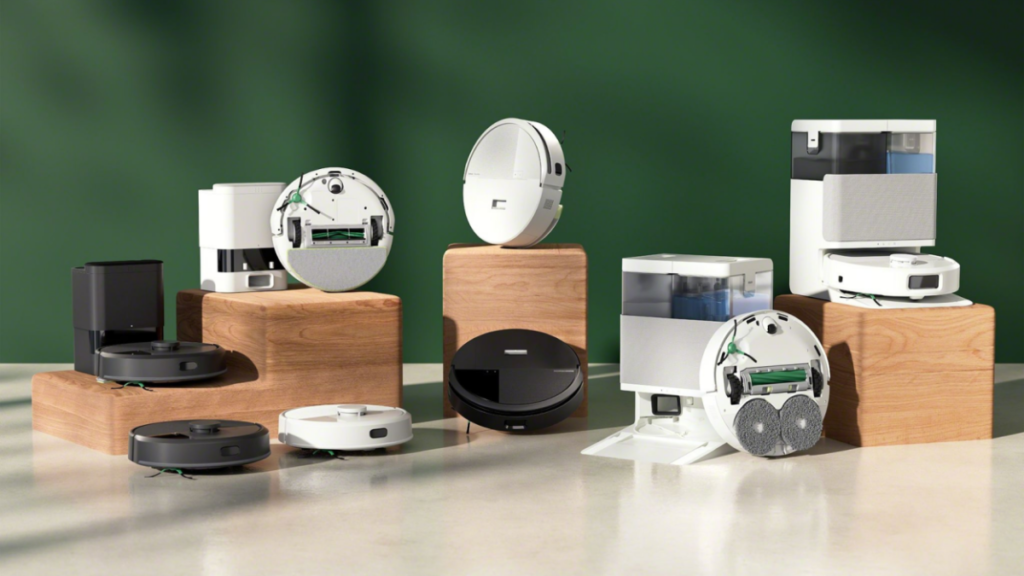
After years of uncertainty, declining sales, and intense competition, iRobot’s story took another unexpected turn. The company behind the iconic Roomba robot vacuum has a new owner: Picea Robotics. For many consumers and tech watchers, the name sounds unfamiliar, which naturally raises a big question—who exactly is Picea Robotics, and what does this acquisition mean for Roomba’s future?
To understand why this deal matters, we need to look at who Picea Robotics is, why it stepped in, and what it might change in the world of home robotics.
Unlike iRobot, Picea Robotics isn’t a household name. It hasn’t spent decades building consumer brands or selling products directly to millions of homes. Instead, Picea Robotics is known in more specialized tech and manufacturing circles, focusing on robotics platforms, automation systems, and long-term hardware development.
This low public profile is part of why the acquisition surprised many people. But in some ways, that’s exactly what made the deal possible. While big tech companies faced regulatory pressure and public scrutiny, Picea Robotics moved quietly and strategically.
Picea Robotics positions itself as a robotics-focused company with a long-term vision. Rather than chasing fast consumer trends, it invests in core technologies like autonomous navigation, sensor fusion, AI-driven control systems, and robotics manufacturing efficiency.
In simple terms, Picea Robotics cares less about flashy marketing and more about building systems that work reliably at scale. This mindset is very different from traditional consumer electronics companies—and that could be both a strength and a challenge.
The company reportedly has experience working with:
Autonomous mobile robots
Industrial and logistics automation
Robotics software platforms
Hardware optimization and supply chains
That background makes Picea Robotics a logical buyer for iRobot’s technology, even if it’s not a familiar brand to consumers.
At first glance, buying a struggling consumer robotics company might seem risky. But from Picea Robotics’ perspective, the deal makes a lot of sense.
iRobot still owns:
A globally recognized brand (Roomba)
Decades of robotics patents
Proven navigation and mapping technology
Massive real-world usage data
These are incredibly valuable assets, even if the company’s finances were in trouble. Picea Robotics didn’t just buy a vacuum maker—it bought a shortcut into the consumer robotics market.
Instead of building a consumer brand from scratch, Picea Robotics now controls one of the most recognizable names in home automation.
The timing of the acquisition played a major role. iRobot’s failed Amazon deal left the company weakened and exposed. Competition kept growing, costs stayed high, and investor confidence dropped. By the time bankruptcy entered the picture, iRobot’s valuation had fallen dramatically.
For Picea Robotics, this created a rare opportunity. The company could acquire valuable technology and brand equity at a fraction of the cost it would have taken just a few years earlier.
In the tech world, this kind of moment doesn’t come often.
One of the biggest questions is whether Roomba will stay the same—or change completely. Early signals suggest that Picea Robotics understands the value of the Roomba name and plans to keep it alive.
However, “keeping the brand” doesn’t necessarily mean keeping everything the same. Product strategies, pricing, and feature priorities are likely to shift.
Under Picea Robotics, Roomba could:
Focus more on reliability and core performance
Simplify product lineups
Reduce aggressive feature experiments
Improve long-term software stability
Instead of chasing every trend, the brand may return to its original promise: robots that just work.
iRobot spent years trying to balance innovation, branding, and competition. Picea Robotics appears to approach robotics from a more engineering-first perspective.
That could mean fewer product launches, but better ones. It could also mean less emphasis on flashy features and more focus on efficiency, durability, and cost control.
For some consumers, this would be a welcome change. Others might miss the excitement of frequent upgrades and bold experiments. Either way, it marks a clear shift in philosophy.
Even with a new owner, Roomba’s challenges haven’t magically disappeared. The robot vacuum market is still crowded, price-sensitive, and brutally competitive. Chinese manufacturers continue to move fast, and consumer expectations remain high.
Picea Robotics will need to:
Compete on price without destroying margins
Catch up on features where Roomba fell behind
Rebuild trust with consumers and retailers
Decide how much to invest in consumer marketing
This won’t be easy, especially for a company that hasn’t traditionally focused on mass-market products.
For existing Roomba users, the biggest concern is support. Will software updates continue? Will replacement parts be available? Will warranties still matter?
So far, there’s no strong indication that Picea Robotics plans to abandon existing customers. In fact, maintaining user trust may be critical to making the acquisition worthwhile.
For future buyers, the next generation of Roombas will be the real test. If Picea Robotics can deliver solid performance at competitive prices, the brand could slowly regain relevance.
This acquisition suggests that Picea Robotics believes home robotics still has a strong future. Despite intense competition, demand for automation at home hasn’t disappeared. If anything, it’s growing.
By acquiring Roomba, Picea Robotics isn’t just buying a product line—it’s betting that autonomous home robots will become smarter, more integrated, and more essential over time.
If that vision is correct, Roomba could once again play an important role—just under different leadership.
So, who is Picea Robotics? It’s not a flashy tech giant or a consumer brand powerhouse. It’s a robotics-focused company making a calculated move into the consumer market by acquiring one of the most recognizable names in home automation.
Whether this turns out to be a smart rescue or a difficult challenge depends on execution. Picea Robotics now holds the keys to Roomba’s future. The question is whether it can guide the brand back to relevance—or if Roomba’s best days are already behind it.
One thing is certain: the story of iRobot and Roomba isn’t over yet. It’s simply entering a new chapter, written by a company most people are only just starting to learn about.