

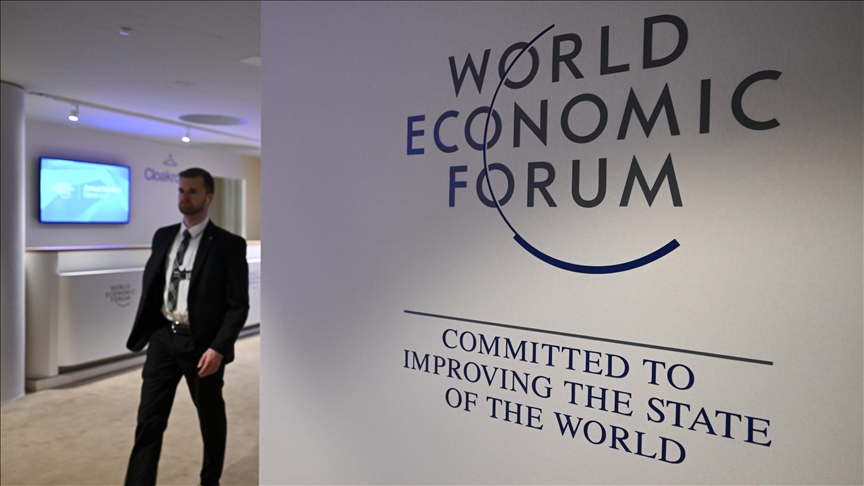
Every January, the small mountain town of Davos, Switzerland, turns into the center of the global conversation. Snowy streets fill up with world leaders, CEOs, tech founders, activists, economists, and journalists, all heading to the same place: the World Economic Forum (WEF). In 2026, Davos once again became a stage where big ideas met real-world problems, and where the future of the global economy, technology, and politics was debated intensely.
WEF 2026 came at a time when the world is still dealing with overlapping crises. Economic uncertainty, geopolitical tensions, climate pressure, rapid AI development, and social inequality are no longer separate issues—they’re deeply connected. Davos 2026 reflected that reality, with discussions that felt more urgent, more complex, and sometimes more uncomfortable than ever.
A World in Transition
One of the strongest themes at WEF 2026 was transition. The global economy is clearly changing shape. High interest rates, fragile supply chains, and slower growth in major economies have forced governments and businesses to rethink long-term strategies. Many speakers admitted that the “old normal” is not coming back.
Instead of talking about quick recovery, conversations focused on resilience. How can countries protect their economies from future shocks? How can companies stay profitable without ignoring social responsibility? And how can global cooperation survive in a world that feels increasingly divided?
Davos 2026 didn’t offer easy answers, but it did highlight one thing clearly: doing nothing is no longer an option.
AI Takes Center Stage
Artificial intelligence was everywhere in Davos 2026. From panel discussions to private meetings, AI was treated as both a massive opportunity and a serious risk. Leaders from tech companies talked about productivity gains, smarter decision-making, and new industries powered by generative AI and automation.
At the same time, policymakers raised concerns about job displacement, misinformation, deepfakes, and the concentration of power in a few big tech players. Several sessions focused on AI governance, with calls for global standards instead of fragmented national rules.
What made WEF 2026 different from previous years was the tone. AI is no longer discussed as something “coming soon.” It’s already here, shaping elections, workplaces, education systems, and even international conflicts. Davos made it clear that the question is no longer if AI should be regulated, but how fast and by whom.
Climate Action: Less Talk, More Pressure
Climate change has always been part of the Davos agenda, but in 2026 the pressure felt heavier. Extreme weather events, rising insurance costs, and energy instability pushed climate discussions beyond slogans.
Business leaders faced tough questions about greenwashing and slow progress. Activists and scientists demanded clearer timelines and real accountability. Meanwhile, developing countries reminded the room that they are often hit hardest by climate impacts they didn’t cause.
One noticeable shift was the focus on adaptation, not just mitigation. While reducing emissions remains critical, many sessions explored how cities, industries, and communities can survive in a warmer world. Climate finance, carbon markets, and clean energy investment were hot topics, but skepticism remained about whether promises made in Davos would translate into action back home.
Geopolitics and a Fragmented World
WEF 2026 took place against a backdrop of ongoing geopolitical tension. Trade wars, regional conflicts, and strained diplomatic relationships shaped many discussions. Globalization, once celebrated in Davos, is now being questioned and reshaped.
Instead of one global system, leaders talked about “multipolar reality” and “strategic autonomy.” Countries are prioritizing national security, local manufacturing, and trusted alliances. This shift has major implications for global trade, technology access, and economic cooperation.
Still, Davos tried to position itself as a neutral ground. Informal meetings on the sidelines often mattered as much as official panels. Even when leaders disagreed publicly, Davos provided a space where conversations could continue behind closed doors.
Business, Profits, and Responsibility
Corporate leaders at WEF 2026 faced a tough balancing act. Investors want growth, consumers want ethical behavior, and governments want compliance. ESG (Environmental, Social, and Governance) didn’t disappear from the agenda, but it was discussed in a more realistic way.
Some executives openly admitted that ESG goals are harder to maintain during economic slowdowns. Others argued that sustainability and profitability don’t have to conflict, if approached smartly. The debate showed that the business world is still figuring out how to align values with financial performance.
Startups and scale-ups also had a strong presence in Davos 2026. Many focused on climate tech, health tech, AI tools, and financial inclusion. Their presence reminded everyone that innovation doesn’t only come from big corporations—it often comes from smaller players willing to take risks.
Inequality and the Social Divide
Another recurring theme was inequality. While technology and globalization have created massive wealth, that wealth is not evenly distributed. Speakers discussed wage gaps, access to education, digital divides, and the future of work.
Automation and AI raised fears about job losses, especially in developing economies. Some leaders called for large-scale reskilling programs, while others pushed for new social safety nets. The message was clear: ignoring social impact could lead to political instability and long-term economic damage.
Davos 2026 didn’t pretend to solve inequality, but it did acknowledge that economic growth alone is no longer enough. Growth has to be inclusive, or it won’t be sustainable.
Is Davos Still Relevant?
Every year, critics ask the same question: does Davos actually change anything? WEF 2026 was no exception. Protesters, online critics, and even some participants questioned whether the forum is too elitist and disconnected from everyday reality.
Yet, supporters argue that Davos is not about instant solutions. It’s about shaping narratives, building networks, and starting conversations that influence policy and business decisions over time. In a fragmented world, even having a shared space to talk matters.
Looking Ahead
World Economic Forum 2026 didn’t deliver a grand breakthrough or a single defining agreement. Instead, it reflected the messy, uncertain state of the world. Progress feels slower, challenges feel bigger, and trust is harder to build.
But Davos 2026 also showed something else: despite disagreements and skepticism, global leaders still believe dialogue is necessary. In a time of rapid change, that might be the most important takeaway.
As the snow melted and private jets left Davos, the real test began. Whether the ideas discussed at WEF 2026 turn into real action will depend on what happens far away from the Swiss Alps—back in governments, boardrooms, and communities around the world.