

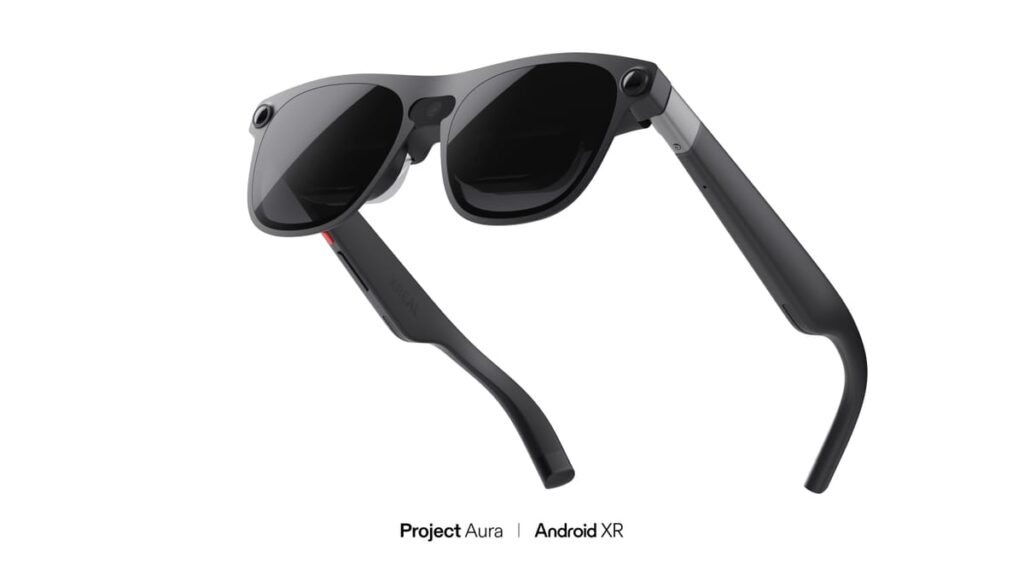
The smart glasses space has been full of promises, hype, and false starts. For years, tech companies tried to convince users that wearing computers on their faces was the future—often forgetting to make those devices practical, comfortable, or socially acceptable. Now, with Xreal joining forces with Google on Project Aura, the conversation feels different. Less experimental, more intentional, and much closer to real-world adoption.
This collaboration could mark a turning point for augmented reality (AR) and spatial computing, especially for everyday users rather than niche developers or early adopters.
Xreal is best known for its sleek AR glasses that focus on usability instead of sci-fi aesthetics. Formerly called Nreal, the company rebranded to emphasize its goal: making extended reality feel natural, not forced.
Unlike bulkier AR headsets, Xreal glasses look closer to regular eyewear. They connect to smartphones, laptops, and gaming devices, projecting virtual screens in front of the user. Think of it as carrying a portable multi-monitor setup in your pocket.
That design-first, consumer-focused approach is exactly why Google’s involvement with Xreal is so interesting.
Google’s Project Aura is still somewhat mysterious, but its direction is becoming clearer. Instead of launching another standalone headset, Google appears focused on building a software and platform foundation for future AR devices.
This includes:
Deep Android integration for XR
AI-powered contextual awareness
Spatial interfaces designed for daily use
Lightweight hardware partnerships
Project Aura is not about reinventing hardware from scratch. It’s about creating a scalable AR ecosystem that device makers like Xreal can build on.
Google has been here before. Google Glass was bold but ahead of its time, both technically and socially. Privacy concerns, limited features, and awkward design stopped it from becoming mainstream.
Xreal brings what Google lacked back then: hardware maturity. Comfortable design, real-world usability, and a strong understanding of what consumers actually want from AR glasses.
In return, Google brings what Xreal needs most:
Android-level software support
A powerful app ecosystem
AI capabilities powered by Google’s models
Long-term platform stability
Together, they cover each other’s weaknesses surprisingly well.
AI is the secret weapon here. Project Aura is expected to lean heavily on on-device and cloud-based artificial intelligence to make AR feel seamless rather than distracting.
Instead of flooding users with floating notifications, AI can filter information based on context. For example, directions appear only when you’re walking, translations trigger only during conversations, and reminders surface exactly when needed.
With Google’s AI expertise and Xreal’s display technology, smart glasses could finally become smart enough to feel useful instead of annoying.
Xreal and Google are entering a space that’s already heating up fast. Apple has its Vision Pro, Meta continues pushing its Quest ecosystem, and other players are experimenting with mixed reality hardware.
However, most of these products are expensive, bulky, and designed for specific use cases like work or gaming. Project Aura, combined with Xreal glasses, seems aimed at something simpler: daily augmentation.
Rather than replacing phones or laptops, these glasses could quietly extend them. Virtual screens for productivity, lightweight navigation, on-the-go entertainment, and subtle AI assistance—all without heavy headgear.
That positioning could give them a unique edge.
For developers, this partnership could unlock serious opportunities. Google’s tools, APIs, and Android ecosystem make it easier to build AR experiences without starting from zero.
Xreal’s existing developer community already experiments with spatial apps, but Project Aura could standardize development across devices. That means better performance, wider reach, and fewer fragmented platforms.
If Google commits long-term, developers may finally feel confident investing time and resources into AR apps again.
Any device that sits on your face naturally raises privacy concerns. Cameras, sensors, and constant data processing are sensitive topics—especially given Google’s history with data.
This time around, both companies seem aware that privacy will make or break adoption. Subtle design choices, limited always-on recording, clear user controls, and transparent data policies will be critical.
If Project Aura fails here, no amount of AI or sleek hardware will save it.
The Xreal and Google Project Aura collaboration suggests a shift in how tech companies think about wearables. Instead of trying to wow users with futuristic features, the focus is moving toward comfort, usefulness, and integration.
Smart glasses don’t need to replace smartphones tomorrow. They just need to make daily tasks easier, faster, or less intrusive.
If this partnership succeeds, it could lead to:
Lighter, more affordable AR glasses
Better AR app discovery through Android
More natural AI-human interaction
Wider adoption outside tech enthusiasts
In short, AR could finally become boring in the best possible way—reliable, helpful, and everywhere.
Xreal and Google’s Project Aura may not generate the flashy headlines of first-gen AR products, but that’s exactly why it’s promising. This collaboration feels grounded, strategic, and deliberately paced.
By combining thoughtful hardware design with a powerful software and AI backbone, they are aiming not to impress everyone—but to actually be usable by many.
And in the long history of tech innovation, that’s usually where real success begins.