

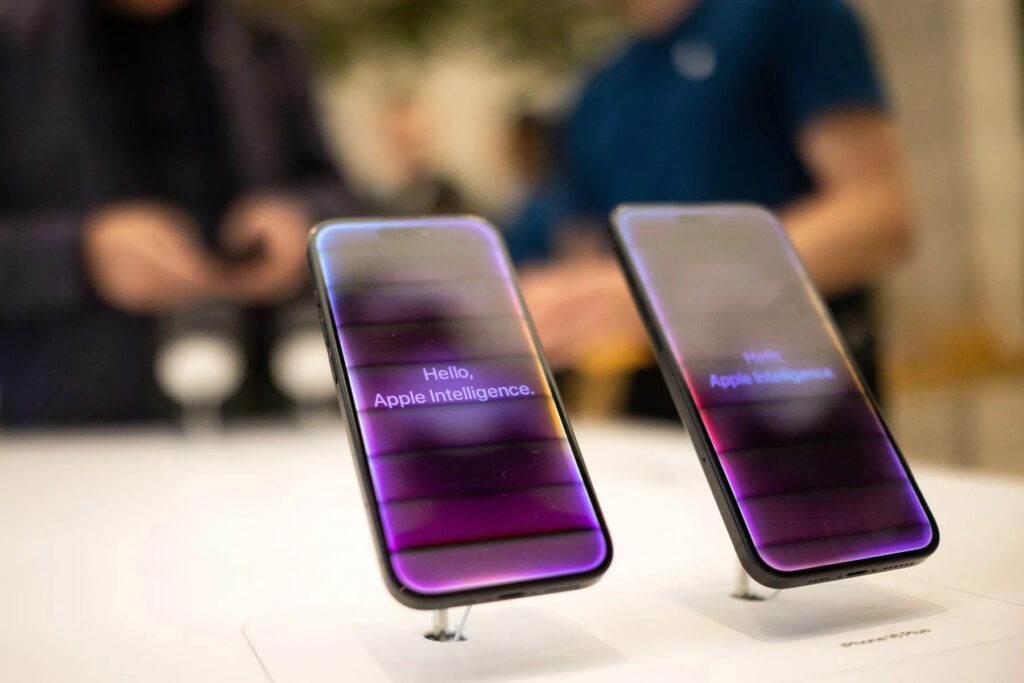
Apple is reportedly losing more artificial intelligence researchers to rivals like Meta and Google, and the trend is starting to raise eyebrows across the tech industry. While Apple remains one of the most powerful and profitable companies in the world, its position in the AI talent race is increasingly being questioned.
Over the past months, several AI researchers who previously worked at Apple have moved to companies that are seen as more aggressive and open in AI development. Meta and Google, in particular, have become popular destinations for this talent shift. The situation has sparked conversations about Apple’s AI strategy and whether its approach still appeals to top researchers.
Talent movement is normal in the tech world, especially in fast growing fields like AI. However, what makes this situation different is the direction of the flow. Instead of Apple attracting researchers from competitors, it appears to be losing them.
Many of these researchers have backgrounds in machine learning, natural language processing, and advanced AI systems. These are exactly the areas that define the current AI boom. When experts in these fields choose to leave, it naturally raises concerns about what they are looking for elsewhere.
Meta and Google have both positioned themselves as places where AI researchers can work on large scale models, publish research openly, and experiment with ambitious ideas. For some researchers, that environment feels more exciting and rewarding.
Apple has never played the AI game the same way as its competitors. While Google and Meta often showcase their latest AI models, Apple tends to work quietly in the background. Its AI efforts are deeply tied to products rather than public research.
Siri, Face ID, photo processing, and on device intelligence are examples of how Apple uses AI to improve user experience. Privacy is also a major focus. Apple prefers AI systems that process data locally on devices instead of relying heavily on cloud based models.
This philosophy has clear benefits for users, but it may not satisfy everyone inside the company. Many AI researchers want to push the limits of what AI can do, publish papers, and contribute to the broader research community. Apple’s secretive culture can feel restrictive for people who value openness and academic recognition.
Meta and Google have taken very different approaches. Both companies actively promote their AI research and encourage collaboration with universities and open source communities.
Google has a long history of AI research and is known for releasing influential papers and tools. Its work on large language models and machine learning frameworks has shaped the entire industry.
Meta has also become a major player by releasing open models and investing heavily in AI research labs. The company has made it clear that it wants to be seen as a leader in AI innovation, even if that means taking risks.
For researchers, these environments offer freedom, visibility, and access to massive computing resources. That combination is hard to ignore.
Apple is not weak in AI, but perception matters. When researchers leave for competitors, it creates a narrative that Apple is falling behind in foundational AI research.
This does not mean Apple is doing nothing. The company continues to integrate AI across its ecosystem in subtle but impactful ways. Many of its features work smoothly because of machine learning, even if users do not always notice it.
Still, in an era where AI leadership is often measured by big models and public breakthroughs, Apple’s quiet approach can look less impressive. Headlines tend to favor companies that announce new models and publish bold research results.
One key issue here is culture. AI researchers often care deeply about sharing knowledge and contributing to the field. Publishing papers, attending conferences, and collaborating externally are important parts of their careers.
At Apple, much of the work remains internal. This protects product secrets, but it limits public recognition for researchers. Over time, this can make other companies feel more appealing.
Meta and Google, on the other hand, have built reputations as places where researchers can build a personal brand while working on cutting edge technology.
Losing researchers does not automatically mean Apple is losing the AI race. Apple’s strength lies in turning technology into polished products that reach millions of users.
The company may be focusing on applied AI rather than experimental research. Its goal could be to make AI reliable, efficient, and privacy friendly, rather than chasing the biggest models.
That said, talent retention is still crucial. Without strong research teams, it becomes harder to stay competitive in the long run. Apple may need to rethink how it supports and motivates its AI researchers.
There is speculation that Apple could adjust its strategy. This might include allowing more research publications, creating dedicated AI research units, or offering better incentives to keep top talent.
Apple has the resources to compete if it chooses to do so. The question is whether it wants to change its culture or stay committed to its current path.
The company has already shown signs of increasing its focus on AI, especially as competition in the space becomes more intense. Future updates to Apple’s products may reveal how serious it is about catching up in areas like generative AI.
The movement of AI researchers highlights how competitive the AI landscape has become. Talent goes where it feels most valued and where it can have the biggest impact.
Different companies offer different visions of the future. Some prioritize openness and scale, while others focus on integration and user trust.
Apple’s challenge is not a lack of money or technology. It is about aligning its AI vision with what researchers want from their careers.
Apple losing more AI researchers to Meta and Google is a signal worth paying attention to. It does not mean Apple is failing, but it does suggest growing pressure to adapt.
The AI race is not just about technology. It is also about people, culture, and vision. If Apple wants to stay competitive in AI, it may need to evolve how it supports and showcases its researchers.
For now, Apple continues to build AI quietly into products used by millions. Whether that approach will be enough in the long term remains an open question, but one thing is clear. In today’s AI driven world, talent matters more than ever.