If you’re following the situation without a dedicated security briefing, focus on these signals:


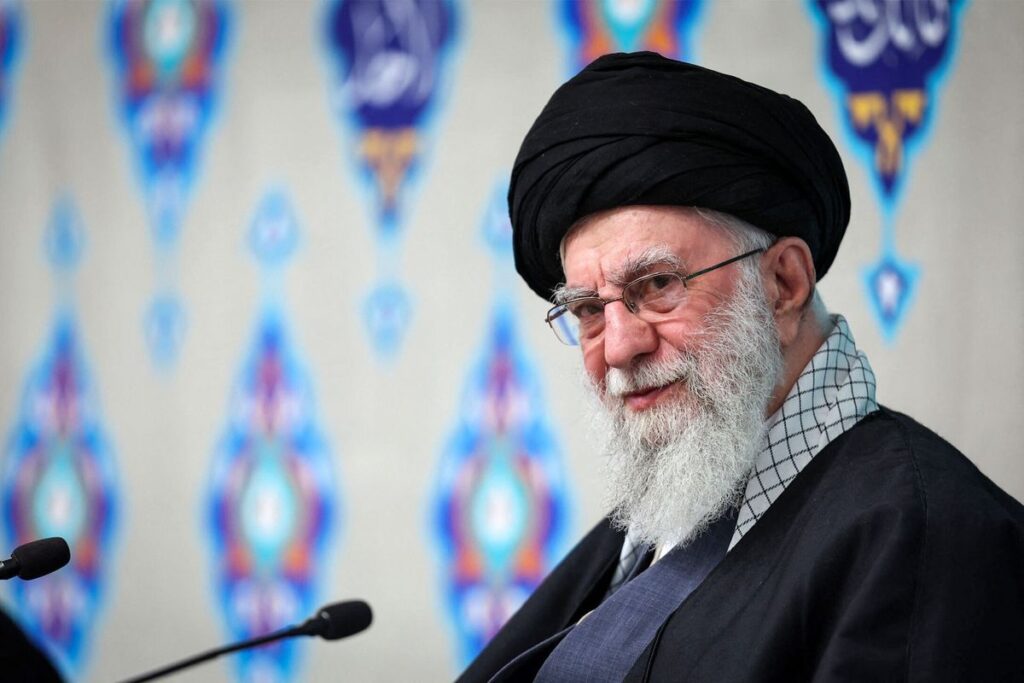
When the news broke that Ayatollah Ali Khamenei killed in a wave of US-Israel missile strikes on Iran, it instantly felt like one of those “history just turned a corner” moments. And not in a calm, textbook way—more like the kind of moment that makes governments scramble, markets shake, and regular people refresh the news every five minutes.
Multiple major reports say Iranian state media confirmed Khamenei’s death following strikes described as a joint U.S.-Israeli campaign.
This article breaks down what’s been reported so far, why this is such a huge deal, and what to watch next—without drowning you in stiff, overly formal language.
According to Reuters and other coverage, Iran’s Supreme Leader Ayatollah Ali Khamenei was killed during the attacks, with Iranian state media confirming his death.
The Guardian described the operation as a major joint missile-and-airstrike campaign, and reported that the initial barrage hit a secure compound where Khamenei was located.
Al Jazeera also reported that Iranian state TV confirmed his death and that Iran declared a mourning period.
So, across multiple sources, the core claim is consistent: Khamenei is dead, and the strikes were significant in scale.
Khamenei wasn’t just a “leader” in a normal political sense. He was the central power figure in Iran for decades—politically, militarily, and ideologically. So when you see “Ayatollah Ali Khamenei killed” in headlines, it’s not just about a person dying. It’s about a massive power shock hitting a country that plays a huge role in regional security.
That kind of shock can lead to a few scary possibilities:
Succession uncertainty (who controls what, and how fast)
Internal instability (rival factions making moves)
External escalation (retaliation cycles becoming harder to stop)
And because Iran’s alliances and rivalries stretch across the region, it doesn’t stay “inside Iran” for long.
Reports say Iran responded with retaliation targeting U.S. interests and the region quickly started feeling the blast radius—politically and militarily.
This is where conflicts get messy. Because once multiple countries and multiple bases are involved, escalation becomes less “one decision” and more like a chain reaction.
You’ll also see heavy emphasis on whether this becomes:
a short, violent burst followed by diplomacy, or
a long sequence of strikes and counter-strikes that pulls more players in
Either way, the concern is real—and it’s showing up in how global institutions are reacting.
As the reports spread, global reactions started pouring in. Reuters collected responses from different countries and institutions, showing a mix of alarm, condemnation, and calls to cool things down.
The UN angle matters here too. The UN Security Council and the Secretary-General have been pulled into the situation, with public concern about preventing the crisis from spiraling into something even bigger.
Al Jazeera also summarized how multiple governments and global bodies reacted, with a common theme: stop the escalation before it turns into full regional war.
Even if you’re far from the Middle East, you’ve probably heard one phrase pop up again and again: the Strait of Hormuz.
Here’s the deal: it’s one of the world’s most critical oil and gas shipping chokepoints. When conflict flares in the Gulf, shipping risk spikes, and global energy markets start sweating.
Reuters reported that tanker incidents occurred and that vessels clustered near the Strait of Hormuz amid increased danger and uncertainty.
They also reported that oil prices jumped as the conflict escalated and disrupted shipping.
That’s why this story isn’t only “geopolitics.” It can become:
higher shipping costs,
insurance premiums going up,
fuel prices moving,
and supply chain delays getting worse.
Not guaranteed, but the risk is real enough that shipping behavior is already changing in reported coverage.
Even with a lot of reporting, big breaking stories like this can still contain:
early claims that get corrected,
numbers that shift,
timelines that get clarified,
and competing narratives from governments.
So, stick to well-sourced updates and be wary of random screenshots and “trust me bro” threads.
If you want a simple rule: follow the sources that correct themselves when facts change.
No one can predict the future perfectly, but based on what’s being reported and how these escalations usually play out, here are the scenarios to watch.
If strikes continue and retaliation expands, you could see a broader regional conflict risk, especially involving Gulf infrastructure and shipping.
If diplomacy gains traction—via the UN, regional mediators, or backchannels—you might see a temporary freeze designed to stop a runaway cycle.
Even without constant missile exchanges, the Gulf shipping risk alone can keep markets unstable and raise costs worldwide.
If you’re following the situation without a dedicated security briefing, focus on these signals:
Official statements about the scope of future strikes
Verified succession updates inside Iran
Shipping advisories and disruptions around Hormuz
UN Security Council moves and major power positioning
Energy market reactions (oil and LNG)
Those are usually the clearest indicators of whether things are cooling down—or about to get worse.
The headline “Ayatollah Ali Khamenei killed after US-Israel missile strikes on Iran” is already one of the defining geopolitical events of 2026. It’s a leadership shock, a military escalation, and a global economic risk—all in one.
And right now, the world’s biggest concern is simple: does this stop here, or does it spread?