

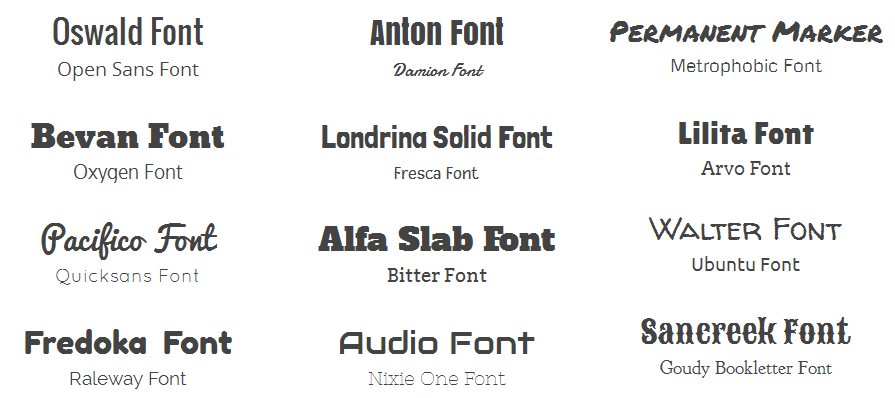
Typography is the silent voice of a brand. While colors show emotion and images tell stories, fonts set the tone for the whole company. In the world of branding, picking the right font pair is a big decision. The best font combinations for professional branding design play a key role because they affect how easy your text is to read and whether people trust your business. As we move through 2026, the mix of classic style and digital speed has never been more important.
A good brand identity uses a clear order of text to guide the eye. When two fonts match well, they look both beautiful and useful. However, a bad match can look messy and make a brand look cheap. This guide looks at the science of font pairing and offers proven sets used by top brands. We will also show you how to create a unique look that lasts for years.
Before picking fonts, you must understand three things: Contrast, Hierarchy, and Legibility. Contrast keeps fonts from looking too similar. Hierarchy tells the reader what is most important. Legibility makes sure the message is easy to understand.
One of the best ways to get contrast is to pair a Serif font with a Sans-Serif font. Serifs are the small “feet” at the ends of letters. They stand for tradition and trust. Sans-Serifs do not have these feet and feel modern and clean. By mixing these two, you can make a brand feel both classic and new. Also, using different weights (like bold for titles and light for text) helps the brain read 20% faster.
This is a classic choice for brands that want to look high-tech but reliable. Montserrat is a clean, geometric font that works great for big titles. Merriweather is a serif font built specifically for reading on screens.
Why does this work? Merriweather is very easy to read on mobile phones. When you pair it with the open, round shapes of Montserrat, the brand feels friendly and open. This pair is a favorite for banks and tech firms because it balances new technology with old-school authority. Studies show that users find a site more “official” when a serif font is used for long articles.
For luxury brands, the goal is to look like a high-end magazine. Playfair Display has a sharp contrast between thick and thin lines. It feels very fancy and reminds people of fashion giants like Vogue. Since it is so bold, it needs a quiet partner.
Source Sans Pro is that perfect partner. It is a simple font that provides great clarity without being loud. In luxury design, the empty space on the page is just as important as the text. Using Playfair for big titles and Source Sans for the details makes a brand feel exclusive. This pair is common in high-end real estate and fashion boutiques.
Sometimes, the best design is the one you don’t notice. For app makers and software companies, the font must let the data shine. Roboto is a “mechanical” font with friendly curves. It looks sharp on very high-quality screens.
Open Sans is another versatile font known for being neutral and clear. Pairing two “sans” fonts is usually risky, but these two work because their shapes are different. Roboto is more narrow and tall, while Open Sans is wider. This creates a professional look that says the brand is efficient and easy to use. These are the two most used fonts on the web today.
Brands that want to stand out—like gyms or marketing agencies—need to be loud. Bebas Neue is a famous, narrow, all-caps font. It is the “heavy hitter” for short titles that demand attention.
Since Bebas Neue only uses capital letters, you cannot use it for long sentences. It needs a partner that is very easy to read. Montserrat (in a lighter weight) works perfectly here. The contrast between the tall, thin title and the wide, round body text creates an exciting look. This pair feels fast and strong, making it a top choice for sports brands.
In fields like law or education, trust is everything. Libre Baskerville is a digital version of a font from the 1700s. It looks like it belongs in a library or on a diploma. It feels heavy and serious.
Lato is a sans-serif font designed to feel “solid but friendly.” It has soft edges that make the serious Libre Baskerville feel more human. This pair creates a “Modern Scholar” vibe. It suggests that the brand follows high standards but is still easy to talk to. Data shows that law firms using this mix help readers remember more information.
If you want your brand to look fresh for the next 50 years, use these two. Futura is based on simple shapes like circles and squares. Helvetica is the world’s most famous “neutral” font. It was made to be clear and nothing else.
When Futura is used for the logo and Helvetica for the info, the result is a clean, “Swiss” look. It suggests perfection. However, this pair requires perfect spacing. Because they are so simple, any mistake in the gaps between letters shows up easily. Brands using this pair are seen as orderly and very strong.
In 2018, Airbnb stopped using several different fonts and made their own: “Airbnb Cereal.” Instead of mixing two different fonts, they use different “weights” of the same font. They use the extra-thick version for titles and the regular version for the main text.
This helped their brand look the same on a billboard in Japan and a phone in Paris. By doing this, they made people recognize their brand 20% more. This teaches us that you don’t always need two different fonts. Sometimes, a “Superfamily” where one font has many weights is the most professional choice for a global business.
You don’t have to guess. There are many digital tools that help you find great matches. These tools use math and AI to see which fonts look good together.
Fontjoy uses “deep learning” to create pairs based on how different or similar they are. Google Fonts is the most important site for designers. It lets you test fonts in real-time and makes sure they work on the web. Typewolf is another great site that shows how real brands use fonts on their live websites. Using these tools can save you hours of work.
After you pick your fonts, you must “stress test” them. Your brand needs to look good on blurry signs, tiny screens, and in dark rooms.
First, try the “Il1 test.” Type a capital ‘I’, a lowercase ‘l’, and the number ‘1’. If they look exactly the same, your font might confuse people. Second, look at your page and squint. Can you still tell what the title is? If the title and text look the same when blurry, you need more contrast. Finally, always check your fonts in “Dark Mode.” Some fonts that look great on a white page look too thick on a black one.
Picking fonts for a brand is about finding balance. It is part art and part science. A great font pair will:
Whether you go with the classic Montserrat and Merriweather or the loud Bebas Neue, remember to be consistent. A brand that uses the same fonts on its business cards and its website will always look more professional. Typography isn’t just about reading words; it’s about how those words make you feel.