

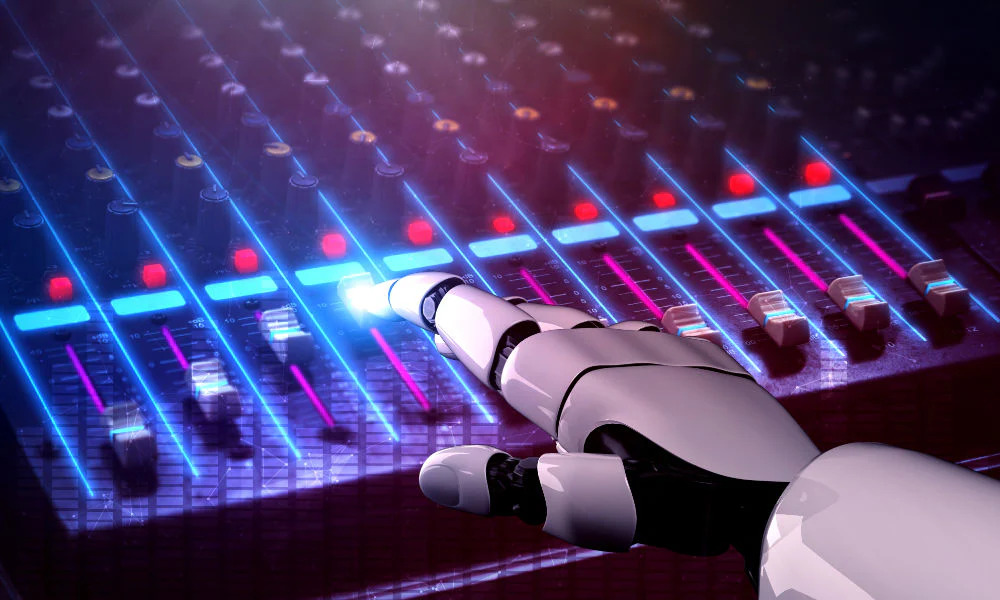
AI keeps surprising us. Just when we thought chatbots writing essays and generating images were already impressive, here comes another leap: Google Gemini can now create music. Yes, actual AI-generated music. And the engine behind this creative upgrade? It’s called Lyria 3.
So what exactly is Lyria 3? How powerful is it? And more importantly, what does this mean for musicians, creators, and everyday users who just want to experiment with sound? Let’s break it down.
Google has been steadily expanding Gemini’s capabilities. At first, it was mostly about text, code, and image generation. But now, Gemini is stepping into audio production with Lyria 3, a new-generation AI music model.
This isn’t just about generating random background beats. Lyria 3 is designed to create structured, coherent music based on prompts. You can describe a mood, genre, tempo, or even a specific vibe, and the system generates original compositions that match your request.
Think of it as having a virtual music producer available 24/7.
Want “a cinematic orchestral track with emotional piano and rising strings”? Done.
Need “a chill lo-fi beat for a late-night study session”? No problem.
Looking for “upbeat electronic music with festival energy”? It’s on it.
That’s a big jump from earlier AI music tools that often felt repetitive or robotic.
There have already been AI music generators out there. So what makes Lyria 3 stand out?
First, quality. Lyria 3 reportedly focuses heavily on realism and musical coherence. That means better transitions, more natural instrument layering, and arrangements that actually feel like a human composer put thought into them.
Second, control. Instead of just pressing a button and hoping for the best, users can guide the output with detailed prompts. You can influence:
Genre (pop, classical, EDM, hip-hop, ambient, etc.)
Mood (sad, energetic, dreamy, intense)
Instrumentation (piano-led, guitar-driven, synth-heavy)
Structure (intro, drop, build-up style)
Tempo and vibe
This level of customization makes it more useful for real projects, not just fun experiments.
Third, integration. Because it’s part of the Gemini ecosystem, the music creation process can be combined with other AI tasks. For example, you could:
Ask Gemini to write song lyrics
Generate a melody with Lyria 3
Create cover art with image tools
Draft a social media campaign to promote the track
All within one AI-powered workflow. That’s a big deal for independent creators.
Behind the scenes, Lyria 3 is powered by advanced machine learning models trained on large datasets of music. It learns patterns in melody, harmony, rhythm, and arrangement.
When you input a prompt, the system predicts and generates sequences of musical elements that match your description. It’s similar to how language models predict the next word in a sentence—except here, it’s predicting notes, chords, and timing patterns.
Of course, Google has emphasized responsible AI use, especially in creative industries. That includes safeguards around copyright and originality. The goal is to generate new music, not replicate existing songs.
Whenever AI enters a creative space, the same question pops up: Is this replacing humans?
The short answer? Not exactly.
Lyria 3 feels more like a tool than a replacement. Think of it as a creative assistant. Musicians can use it to:
Quickly generate demo ideas
Break creative blocks
Experiment with new genres
Create background tracks for content
For independent artists with limited budgets, this is huge. Hiring session musicians or producers can be expensive. With AI support, creators can prototype ideas before investing in full studio production.
But human emotion, storytelling, and live performance? That still belongs to people. AI can generate structure and sound, but the deeper connection often comes from human experience.
This is where things get really interesting.
YouTubers, podcasters, game developers, and TikTok creators constantly need background music. Finding royalty-free music that actually fits your vibe can be a struggle. Lyria 3 could change that.
Imagine typing:
“Create a 30-second upbeat intro track for a tech review channel.”
And within moments, you have something custom-made for your brand.
For game developers, dynamic music generation could also be a game-changer. AI-generated adaptive soundtracks that match gameplay intensity? That’s not science fiction anymore.
Of course, AI music always brings legal and ethical discussions.
Who owns the music?
Is it truly original?
What about training data?
Google has been careful about positioning its AI tools within responsible frameworks. The company aims to avoid direct replication of copyrighted works and instead generate new compositions based on learned patterns.
Still, as AI music becomes more mainstream, regulations and licensing models will likely evolve. The music industry is watching closely.
One of the biggest impacts of Lyria 3 isn’t just the music quality. It’s speed.
What used to take hours—or days—in a studio can now start with a simple prompt. That dramatically lowers the barrier to entry for music creation.
Teenagers experimenting in their bedrooms. Startup founders building app soundtracks. Social media creators launching personal brands. The gap between idea and execution keeps shrinking.
And when tools become easier to use, creativity tends to explode.
Now here’s a wild thought.
If AI can generate lyrics, melodies, instrumentals, and even synthetic voices, we’re not far from fully AI-generated artists. Virtual pop stars powered entirely by algorithms.
We’ve already seen virtual influencers on social media. AI music is the next logical step.
That doesn’t mean human artists disappear. But the music industry may start seeing hybrid models: human performers collaborating with AI systems for songwriting and production.
Google Gemini’s integration of Lyria 3 shows how fast AI creativity is evolving. We’re moving beyond text and images into full multimedia generation. Music is deeply emotional, deeply human—and now AI is stepping into that space in a serious way.
For some, it’s exciting.
For others, it’s a little unsettling.
But one thing is clear: AI music tools like Lyria 3 are not a passing trend.
They’re part of a bigger shift in how content gets created.
If you’re a musician, creator, or entrepreneur, this might be the perfect time to start experimenting. Not because AI will replace creativity—but because it might amplify it.
The future of music isn’t just digital.
It’s collaborative between humans and machines.
And with Lyria 3 inside Gemini, that future just got a lot closer.