

When headlines say “Iran threatens to close the Strait of Hormuz,” it’s not just regional drama. It’s the kind of sentence that makes energy traders sit upright, shipping companies hit pause, and governments start calling emergency meetings.
Why? Because the Strait of Hormuz is basically the world’s energy choke point. A huge share of global oil (and a meaningful amount of LNG) passes through this narrow stretch of water every day. If it’s disrupted—fully or even partially—prices can jump fast, and supply chains can get messy.
And right now, the situation is tense enough that some shipping operators are already backing off the route, waiting for clearer signals and safer conditions.
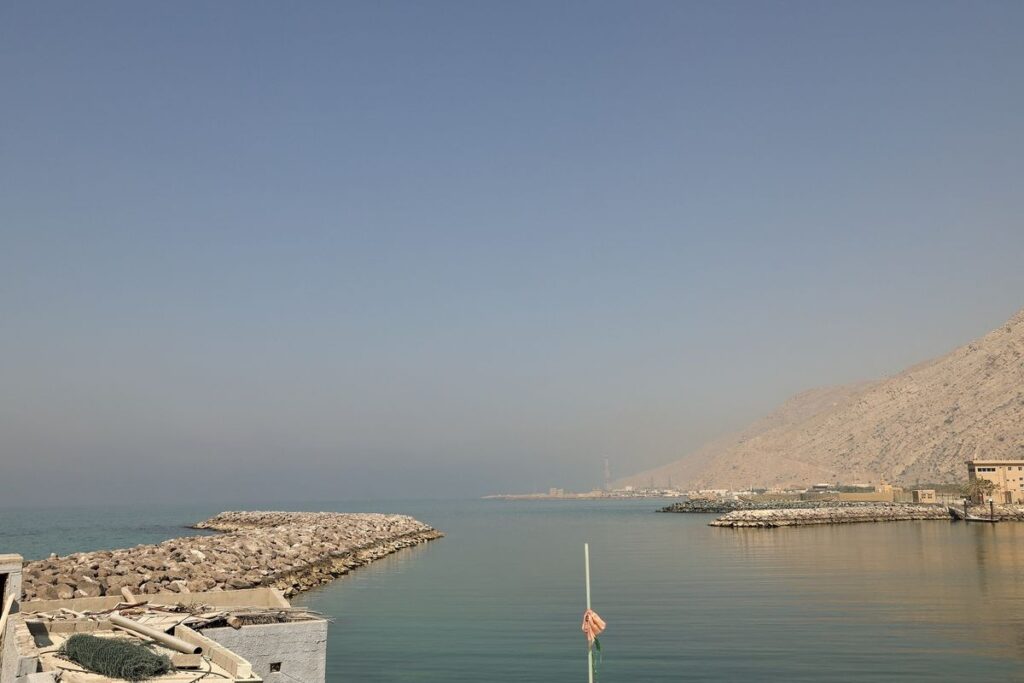
The Strait of Hormuz sits between Iran and Oman, linking the Persian Gulf to the open ocean. At its narrowest point, it’s only a few dozen kilometers wide—and crucially, the actual shipping lanes are tight. That makes it vulnerable: a small number of incidents can disrupt traffic quickly.
Even if oil producers want to reroute, there isn’t a magical “backup Strait of Hormuz.” Some oil can be diverted via pipelines (like routes across Saudi Arabia or from the UAE), but that only covers part of the flow—and it doesn’t eliminate the shock if tanker traffic slows or stops.
People often imagine a literal gate slamming shut. Real life is usually more complicated—and more chaotic.
A “closure” can mean:
Threats that scare insurers and raise war-risk premiums (making transit much more expensive)
Mines or drone attacks that force ships to slow down or reroute
Harassment and inspections that create delays and bottlenecks
Targeted strikes on tankers that reduce willingness to transit at all
So even if the strait isn’t “officially closed,” the effect can still be the same: fewer ships move, schedules slip, and costs spike.
Markets don’t wait for a perfect confirmation. They price risk.
Reuters reported oil jumping sharply (around 10% in one session) amid fears that conflict could disrupt flows through Hormuz, with analysts warning crude could spike higher if the strait is effectively shut.
The logic is simple:
Hormuz is critical
conflict increases the odds of disruption
disruption threatens supply
supply fear pushes prices up
And when prices jump, the pain doesn’t stay in the oil market. It can show up in transportation costs, inflation pressure, and higher costs for businesses that rely on shipping.
One of the clearest “this is serious” signals is what commercial shipping does.
Major Japanese shipping firms reportedly halted operations through the Strait of Hormuz after the security situation worsened, prioritizing crew safety.
That’s important because shipping is usually conservative, but not that conservative. Companies don’t pause a key route unless the risk and uncertainty feel real enough to justify the financial hit of delays.
And once a few big players pause, it can create a domino effect:
fewer ships willing to transit
more congestion and uncertainty
higher insurance costs
higher freight rates
International reactions are basically a mix of:
“Do not escalate”
“Keep shipping lanes open”
“Let’s get back to diplomacy”
Russia, for example, warned about an oil “choke” tied to Hormuz disruption and urged de-escalation, highlighting how quickly this could ripple into global energy markets.
Even countries not directly involved have a lot at stake, because energy price shocks hit everyone—especially import-heavy economies in Asia and beyond.
No one can predict the exact timeline, but these are the paths that typically show up in a Hormuz crisis:
This is the “half-closed” scenario: not a total shutdown, but enough harassment, incidents, and fear to keep traffic low and prices elevated.
If additional tankers are damaged or there’s a deadly maritime incident, insurers and operators could pull back harder, making the strait functionally unusable for a period. Reuters has reported heightened concerns around tanker security and the risk environment.
Sometimes the threat of economic blowback is so severe that backchannel talks and international pressure create a pause. That doesn’t mean “problem solved,” but it can reduce the immediate risk of a full blockage.
If you’re thinking, “Okay, but I’m not a tanker operator,” here’s the everyday translation:
Fuel prices can rise if crude stays higher for weeks
Shipping and logistics costs can climb (which can raise prices for goods)
Market volatility can increase (stocks, commodities, currency swings)
Travel routes and insurance costs can shift in the background
This is why the phrase “Iran threatens to close Strait of Hormuz” is so heavy. It touches the global economy through energy and transport.
Iran’s threat to close the Strait of Hormuz matters because the strait is a global pressure point—narrow, hard to replace, and vital for oil and gas flows. With shipping already pausing and markets reacting sharply, even partial disruption can cause outsized impact.
The next moves—military, diplomatic, and commercial—will decide whether this stays a scary headline… or turns into a full-blown global energy shock.