

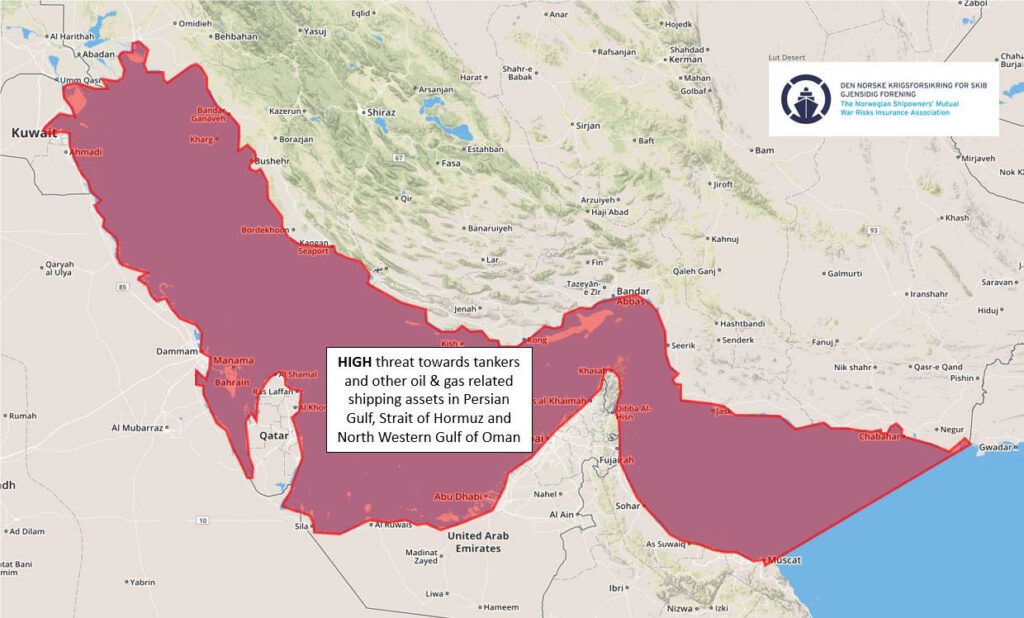
The Strait of Hormuz is often called the most important shipping lane in the world. It is a narrow waterway that connects the Persian Gulf to the open ocean. Because it carries so much of the world’s oil, it is the primary artery for global energy. However, in 2026, the Strait is more than just a trade route. Military Conflict Risks in Strait of Hormuz Region are increasingly shaping discussions of global security. It is a dangerous flashpoint where global powers and local rivals clash. A war here would not just be a local problem; it would threaten the entire world’s economy.
The shape of the Strait creates a “security trap.” At its thinnest point, the paths for ships are only two miles wide. This tight space means that a small mistake or a minor fight can quickly turn into a massive international crisis. This article looks at the different types of military risks, from traditional sea battles to new threats like hacking. We will explore the factors that could spark a war in these vital waters.
Iran’s military plan in the Strait is based on “uneven defense.” They know they cannot beat the United States Navy in a traditional fight. Instead, Tehran has spent years building tools to block the Strait. Their main weapons are sea mines and high-tech missiles hidden along the rocky coast.
Sea mines are one of the biggest risks because they are cheap but very effective. During the “Tanker War” of the 1980s, even simple mines caused huge damage to ships. Today, Iran has “smart mines” that can be set to hit specific types of large tankers. If Iran were to drop these mines in the water, oil trade would stop immediately. No insurance company would cover a ship in a minefield, and clearing the mines could take months.
The main force stopping Iran from taking control is the U.S. Fifth Fleet. Based in Bahrain, the U.S. Navy’s job is to keep the sea lanes open for everyone. They lead groups of international ships to patrol the area and protect trade.
The risk of a fight is highest when ships pass through the narrowest parts of the Strait. When a U.S. aircraft carrier moves through, Iranian boats often follow it closely. These meetings are often tense and dangerous. The military risk here is a simple accident. A nervous captain on either side might fire a “warning shot,” causing the other side to shoot back. In such a small space, a tiny spark can start a huge fire.
Lately, the danger has moved into the “Gray Zone.” These are hostile acts that stop just short of a real war. This includes taking over oil tankers for political reasons. Iran often seizes ships to get back at other countries for trade bans. This is often called “hostage diplomacy.”
The danger in these acts is that a “rescue mission” could go wrong. If Western special forces tried to take back a ship while it was in Iranian waters, the resulting fight could start a full war. Also, “limpet mines”—small bombs stuck to the side of a ship—are used to damage tankers secretly. This keeps the region on edge and makes the cost of shipping much more expensive for everyone.
The Strait of Hormuz is the main stage for the fight between Saudi Arabia and Iran. Even when they try to get along, the military tension remains. The risk is that a war starting in another country, like Yemen, could move into the Strait as a way for one side to hurt the other.
Saudi Arabia is in a very weak spot because its main oil ports are inside the Gulf. If Iran closes the Strait, the Saudi economy stops. Because of this, the Saudi military has bought the best air defense systems and a modern navy to protect its coast. The risk is a “first-strike” scenario. If one side thinks the other is about to attack their oil tanks, they might decide to attack first to destroy the enemy’s navy.
In 2026, a war might not start with a gun. It could start with a computer. The Strait of Hormuz relies on a massive digital network. This includes undersea cables and automated ports. A cyber-attack that causes real-world damage is a huge risk.
A hacker could break into a tanker’s navigation system and cause it to crash in the narrow path. This would block the Strait just as well as a sunken ship would. Because it is hard to prove who sent a digital attack, a country might blame the wrong person and shoot back with real missiles. This makes a digital mistake one of the most unpredictable ways a war could start today.
While the U.S. guards the water, China is becoming a bigger player. China buys more oil from this region than anyone else. They are very worried about any military trouble. However, China also fears that the U.S. could block their oil during a fight over other issues, like Taiwan.
The risk here is that the conflict becomes “international.” If China feels its oil is at risk, it might send its own navy into the Gulf. Having two superpower navies in the same tiny area is dangerous. A small local fight could quickly turn into a massive war between Washington and Beijing. This adds a global layer of danger to an already tense area.
The region is full of rebel groups and militias. These groups often work for bigger countries but have their own goals. A small group could attack a tanker to start a war between two large nations. This is called a “False Flag” operation.
For example, a drone attack could be made to look like it came from Iran to trick the U.S. into attacking. In a high-stress environment, leaders often feel they must act fast. They might not wait for proof. This makes the Strait a perfect place for “spoilers” who want to start a war to stop peace talks or help their own cause.
The biggest risk is the use of oil as a weapon. If the Strait is closed, 21 million barrels of oil vanish from the market every day. Even a one-week closure would cause oil prices to jump by 50%. This would cause a global recession.
Nations like India and South Korea get almost all their oil through this path. They would face a national crisis immediately. This would force them to send their own militaries to help open the Strait. This “need to intervene” means that a war in the Strait can never stay local. It will always pull in the world’s biggest armies to protect their survival.
Despite all these risks, war is not a sure thing. Stability depends on a mix of “Strength” and “Talking.” Strength makes sure that starting a war is too expensive for anyone. Talking gives countries a way to solve problems before the shooting starts.
History shows that when countries talk, like during the 2015 nuclear deal, the number of attacks drops. When they stop talking, the attacks go up. This shows that the military risk is tied to politics. Many experts want a “Maritime Hotline” where navies can talk directly. This would help prevent an accidental war started by a simple misunderstanding in the dark.
The risk of war in the Strait of Hormuz is a mix of old navy threats and new digital attacks. The region is in a “fragile balance.” World navies are always watching, but local groups are always testing them. Because the Strait is so narrow, a small fight can easily become a global disaster.
Key takeaways include:
Securing the Strait needs more than just big ships. it needs clear laws, better computer safety, and honest talk between rivals to keep the “world’s jugular vein” safe from war.