

For over a century, crude oil has been the lifeblood of the world. it moves our cars, makes our plastics, and keeps nations safe. However, oil is mostly found in a few specific places. Many of these areas are prone to fighting, increasing the risk of Oil Supply Disruption Due To Ongoing War Conflicts. As we reach 2026, war and energy logistics have combined to create a “new normal” of constant change and risk.
When war starts, oil is never just a bystander. It is often a cause of the fight, a target for bombs, and a weapon used by leaders. Breaking the oil supply is more than just closing a valve. It involves complex sanctions, physical damage to pipes, and changing trade routes. This article looks at how modern war tears apart the energy world, from the front lines to the local gas pump.
The most direct impact of war is the physical destruction of oil gear. Modern war now targets the “economic heart” of the enemy. Pipelines and refineries are “soft targets.” They are hard to defend but hurt a lot when lost. In the 2024–2026 conflict cycle, we have seen long-range drones hit refineries thousands of miles away from the actual fighting.
Recent wars show that breaking oil gear is a strategy. By hitting a refinery, an attacker doesn’t just stop tanks; they hurt the whole civilian economy. This puts pressure on leaders from within. Also, blocking ports in the Black Sea or the Persian Gulf can remove millions of barrels of oil from the world market daily. This sudden loss of supply sends prices up as buyers race to find new sources.
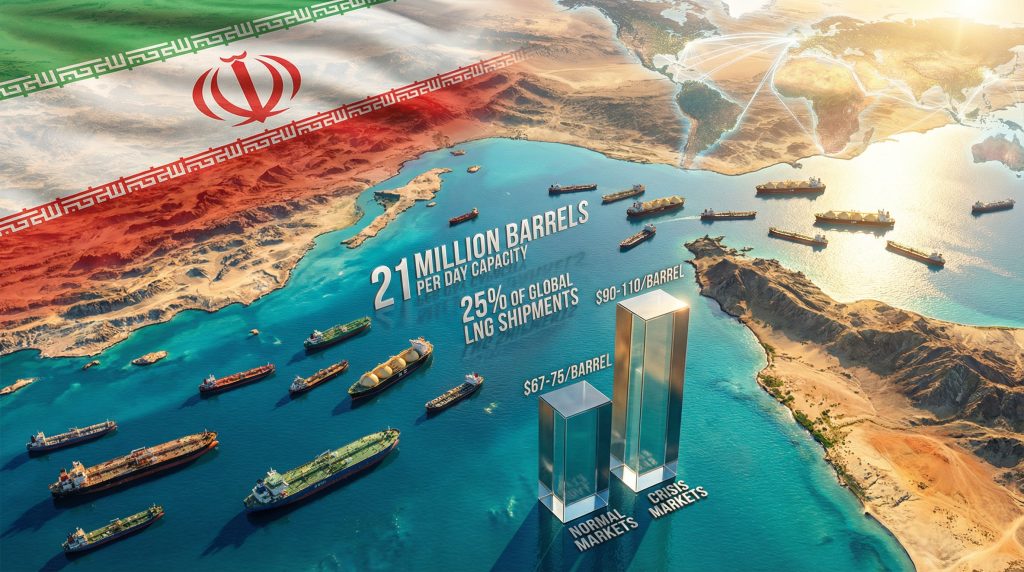
Most of the world’s oil moves by sea. This makes “chokepoints”—narrow paths like the Strait of Hormuz or the Suez Canal—very dangerous. When wars reach these waters, the whole world feels it. In 2026, small groups are using “drone boats” and missiles to make these paths high-risk zones for tankers.
The trouble in the Red Sea is a perfect example. Constant threats have forced tankers to avoid the Suez Canal. Instead, they sail around the tip of Africa. This adds 10 to 15 days to the trip. It also adds millions of dollars in shipping costs. Even if the oil is there, it takes longer to arrive. This makes the market “tight,” as if the oil didn’t exist at all. A total block of the Strait of Hormuz could push prices past $150 per barrel.
Disruption isn’t always about bombs; sometimes it’s about laws. In modern fights, the “Oil Weapon” is often used through sanctions. By cutting a nation off from banks and banning its oil, the world tries to stop its “war chest.” However, this leaves a huge hole in the global oil supply.
In the mid-2020s, the world has used “Price Caps” and bans on a huge scale. These tools aim to limit a country’s cash, but they also break the global market. Instead of one global price, we now have two: “Clean” oil sold openly and “Grey” oil sold at big discounts to certain nations. This makes the supply chain messy and slow. Oil must often be moved between ships in the middle of the ocean to hide where it came from, raising costs for everyone.
Wars in Europe have forced the biggest change in oil flow since the 1970s. For years, Russian oil flowed West to Europe. War has ended that. In 2026, we see the final stages of the “Pivot to the East.” New pipes and trains now connect these oil fields to big markets in China and India.
This shift is a type of disruption too. The old pipes that fed Germany are now mostly useless. Meanwhile, China and India are getting cheap oil, which helps their factories. But this new system is weak. It depends on a few giant pipes that cross thousands of miles of risky land. If these new paths are broken by local fights, the world’s most crowded nations would face an energy disaster overnight.
In 2026, the threat to oil doesn’t just come from big armies. Rebels, militias, and hackers have learned that oil is the “weak spot” of a modern state. In places like Africa and the Middle East, these groups steal oil or blow up pipes to get money and power.
Cyber-war is also a major part of the fight. A smart computer attack can shut down a pipeline faster than a bomb. We saw this with the Colonial Pipeline hack years ago. Today, hackers working for governments target power grids and refinery controls as a normal part of war. These attacks are scary because they are hard to track and can stop oil flow without a single shot being fired.
The final result of broken oil supply is economic pain. Because oil is used for almost everything—from phone parts to food fertilizer—high prices act like a “global tax.” When war stops oil, prices go up. To fight this, banks raise interest rates. This slows the whole world down and can lead to a recession.
For poor nations, this is even worse. It creates an “Energy Poverty Trap.” Rich nations can pay more for the oil that’s left, but poor nations are left behind. This leads to fuel shortages and protests. In 2026, several governments have fallen because they couldn’t afford to keep fuel cheap for their people. Oil breaks caused by war are a major reason why global inequality is growing.
To fight oil breaks, nations use “Strategic Reserves.” These are huge amounts of oil kept in underground caves for emergencies. In 2026, using these stocks is a big part of global politics. Releasing this oil can lower prices, but if a war lasts too long, the country might run out and be in even more danger.
The long-term answer is moving to Green Energy. Many leaders now see solar, wind, and nuclear power as “National Security” needs. Using electricity instead of oil makes a country safer from blocks or pipeline hits. However, this new path needs minerals like lithium. These are often found in the same war-prone areas as oil, which could lead to a new type of “resource war” later on.
As we look ahead, the era of a single global oil market seems to be ending. War has created a “Fragmented Energy Order.” We are moving toward groups of allies who only trade with each other. This is less efficient, which means energy will be more expensive for a long time.
The “Geopolitical Risk Premium” is now part of the price. In 2026, every barrel of oil includes the cost of drones to protect the plant and navies to protect the ship. War has turned oil from a simple product into a tool for survival. Breaking the supply is no longer a rare accident; it is now a normal part of world politics.
Breaking the oil supply during a war is a crisis that changes the whole world. As we have seen, the impact starts with bombs but ends with high prices in every store. The main points to remember are:
High Risk: Modern drones make oil plants easy to hit, requiring expensive defense.
Sea Traps: A few small water paths control the world’s wealth; blocking them is a huge threat.
Two Markets: Sanctions have split the oil world into “legal” and “shadow” markets.
Security Shift: Moving to green energy is now about national safety as much as the climate.
As long as we rely on oil found in unstable places, it will be a target for war. The flow of energy will continue to show us how peaceful—or violent—the world is.