

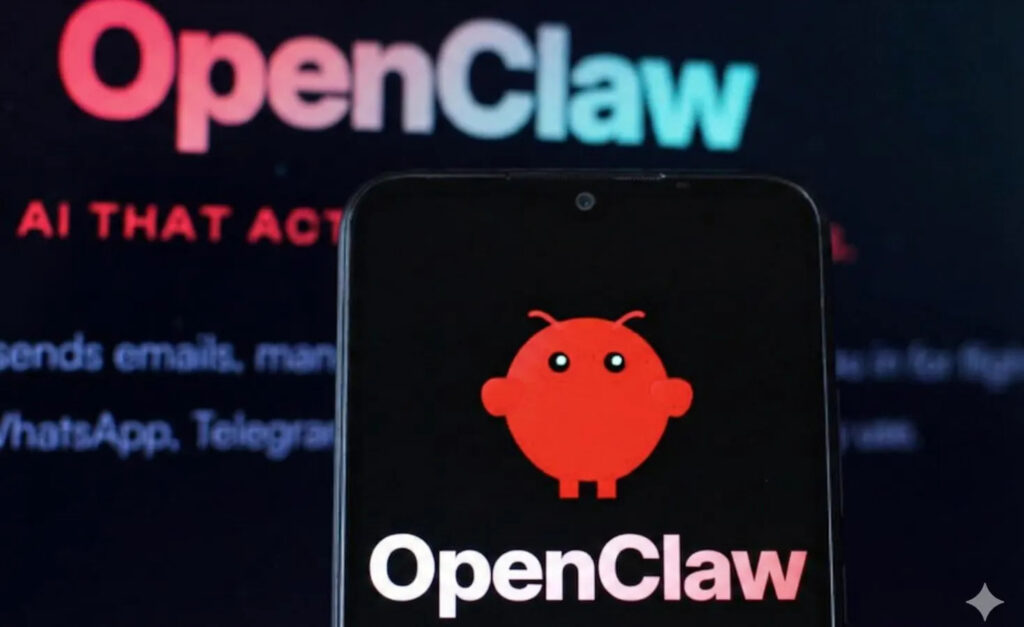
OpenClaw is starting to get attention among tech enthusiasts, developers, and digital creators who are curious about open AI tools. While many AI platforms are locked behind subscriptions or closed ecosystems, OpenClaw positions itself differently. It focuses on openness, flexibility, and community-driven development, which makes it appealing to users who want more control over how AI works for them.
As automation and AI become part of everyday workflows, tools like OpenClaw are no longer just “nice to have.” They are quickly becoming essential. From handling repetitive tasks to helping users build smarter systems, OpenClaw aims to simplify complex processes without making them feel overwhelming.
So what exactly is OpenClaw, and why are people starting to talk about it more?
OpenClaw is an open-source AI-driven platform designed to help users automate tasks, manage workflows, and build intelligent agents. Instead of being a single-purpose tool, OpenClaw works more like a flexible framework. Users can adapt it to different needs, whether that means coding, data processing, or system automation.
One of the key ideas behind OpenClaw is accessibility. You do not need to be an advanced AI researcher to use it. At the same time, developers who want deep customization can dig into the source code and modify it as needed.
This balance between simplicity and flexibility is what makes OpenClaw stand out in a crowded AI tools market.
There are many AI tools available today, but most of them are closed platforms. Users rely heavily on the provider’s rules, pricing, and feature roadmap. OpenClaw offers a different approach by giving users more freedom.
Because OpenClaw is open-source, it encourages collaboration. Developers from different backgrounds can contribute improvements, fix bugs, or build extensions. This community-driven model often leads to faster innovation and more transparent development.
Another reason OpenClaw is gaining attention is trust. Users can see how the system works instead of relying on a black box. For companies and developers who care about data control and transparency, this is a big advantage.
OpenClaw comes with several features that make it practical for real-world use.
First, it supports task automation. Users can define workflows that allow OpenClaw to perform actions automatically based on specific conditions. This can save time on repetitive jobs and reduce human error.
Second, OpenClaw is modular. Instead of forcing users into a fixed setup, it allows them to add or remove components as needed. This makes it easier to scale from a small project to a more complex system.
Third, OpenClaw is designed to integrate with other tools. Whether you are working with APIs, databases, or external services, OpenClaw can be configured to communicate with them smoothly.
Finally, the platform emphasizes customization. Users can tweak behaviors, logic, and responses to match their exact needs.
OpenClaw is especially useful in modern digital workflows where speed and efficiency matter. For developers, it can act as a helper that manages background tasks, monitors systems, or processes data automatically.
For digital teams, OpenClaw can be used to automate content workflows, reporting, or internal tools. Instead of manually handling each step, teams can rely on OpenClaw to keep things running in the background.
Even solo creators and freelancers can benefit. OpenClaw can help manage routine tasks, freeing up time to focus on creative or strategic work.
Developers are one of the main audiences for OpenClaw. Because the platform is open-source, it allows full control over how the system behaves. Developers can inspect the code, adjust logic, and build custom extensions.
OpenClaw also supports experimentation. Developers can test new ideas without worrying about strict platform limitations. This makes it a good choice for learning, prototyping, and innovation.
Another advantage is long-term sustainability. Since OpenClaw is not tied to a single company’s business decisions, developers are less likely to face sudden changes that break their workflows.
One of the biggest benefits of OpenClaw is flexibility. Users are not locked into a single way of working. They can adapt the tool to match their own processes.
Cost is another advantage. OpenClaw reduces dependence on expensive proprietary software. While there may still be infrastructure costs, users avoid many licensing fees.
Transparency is also important. With OpenClaw, users can understand how decisions are made and how data flows through the system. This is especially valuable in sensitive or regulated environments.
Lastly, community support plays a big role. OpenClaw benefits from shared knowledge, tutorials, and contributions from users around the world.
Despite its strengths, OpenClaw is not perfect. Because it is open-source, setup can sometimes be more complex compared to plug-and-play tools. Users may need technical knowledge to get the most out of it.
Documentation quality can also vary depending on the project’s maturity. New users might need to spend extra time learning how everything works.
Another challenge is responsibility. With greater control comes greater responsibility. Users must manage updates, security, and maintenance themselves.
Looking ahead, OpenClaw has strong potential to grow alongside the open AI movement. As more people seek alternatives to closed platforms, open tools like OpenClaw are likely to become more popular.
Future development could bring better user interfaces, improved integrations, and stronger community support. If the ecosystem continues to grow, OpenClaw could become a standard tool for automation and intelligent systems.
The real strength of OpenClaw lies in its philosophy. By keeping AI open and adaptable, it encourages innovation and shared progress.
OpenClaw represents a different way of thinking about AI tools. Instead of locking users into fixed systems, it offers freedom, transparency, and flexibility. For developers, teams, and creators who value control and openness, OpenClaw is a compelling option.
While it requires some learning and responsibility, the benefits can be significant. As AI becomes more integrated into daily work, tools like OpenClaw show that open-source solutions still have a powerful role to play in shaping the future.