

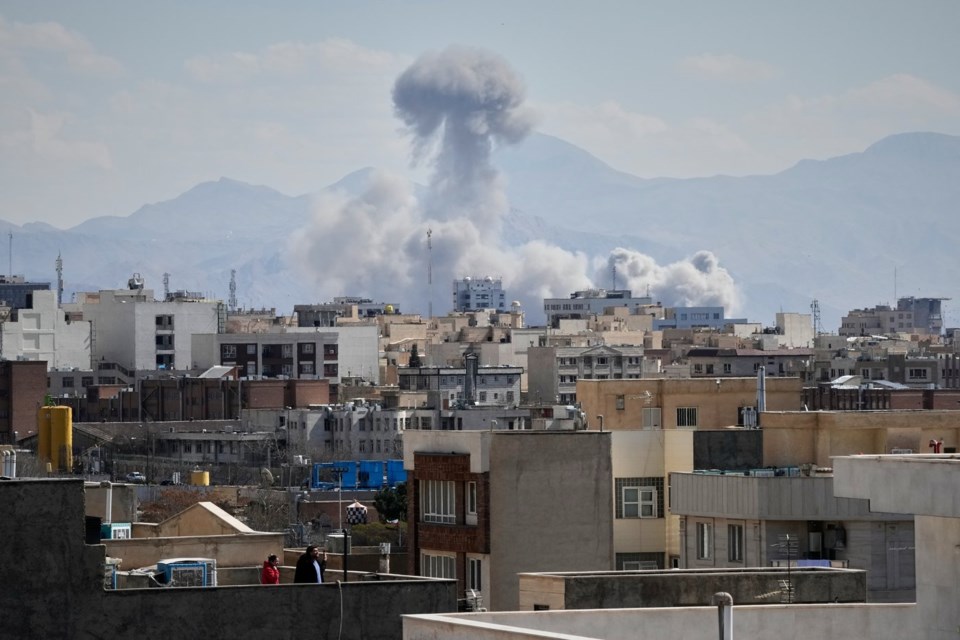
The phrase “US attacks Iran” isn’t just a dramatic headline anymore. Over February 28 to March 1, 2026, multiple major outlets reported a sharp escalation: large-scale strikes involving the United States (and Israel in several reports), followed by Iranian retaliation across the region.
Because this story is moving fast, details can shift hour by hour. Still, there are a few key themes that keep repeating across credible reporting: scale, retaliation, and global ripple effects—especially around energy shipping and regional security.
According to reporting, the U.S. carried out a large, sustained operation targeting a wide set of sites across Iran—described as over 1,000 targets by U.S. Central Command in one account—using a mix of airpower and other military assets.
Several outlets also described the campaign as joint U.S.-Israeli strikes, with explosions reported in Iran and subsequent impacts felt across Israel and Gulf states.
One of the biggest (and most alarming) claims circulating in major coverage is that Iran’s Supreme Leader Ayatollah Ali Khamenei was killed in strikes—reported as confirmed by Iranian state media in some coverage. This point is hugely consequential and also exactly the kind of detail that tends to develop as more verification arrives.
After the strikes, multiple reports describe Iranian retaliation targeting U.S. assets in the Gulf and firing missiles across parts of the region.
This matters because once retaliation spreads across borders, the risk isn’t just “two countries clashing.” It becomes a regional escalation problem—with more bases, shipping routes, and civilian areas potentially caught in the middle.
If you’re wondering why people in Europe or Asia are nervous too, here’s the shortcut: energy and shipping.
Reuters reporting described damage to tankers, casualties at sea, and a big spike in maritime risk—while ships reportedly gathered near the Strait of Hormuz and some routes were being reconsidered due to danger and insurance risk.
That’s the kind of disruption that can quickly influence:
Oil and LNG prices
Shipping delays
Insurance premiums
Supply chain costs
Even if you’re nowhere near the Middle East, those costs can show up indirectly in prices and markets.
Internationally, the reaction described in coverage looks divided.
Some reporting notes urgent diplomacy, including calls to de-escalate to avoid a wider conflict, while other parties defended actions as necessary. The UN angle pops up because when strikes escalate this hard, pressure builds for emergency sessions and ceasefire efforts—especially when civilian risk rises.
At the same time, analysis pieces are already asking the uncomfortable questions:
Is this limited, or the start of something bigger?
What happens if retaliation expands to more bases or critical infrastructure?
What does leadership shock inside Iran do to stability?
CFR’s early assessment framing is basically: this is big, fast, and unstable.
Most escalations like this don’t come from one “bad day.” They come from stacked pressure:
long-running hostility,
competing red lines,
and mutual suspicion around security threats (often including nuclear-related concerns, depending on who’s telling the story).
Some expert commentary also points to claims and counterclaims around Iran’s capabilities and intentions, plus political decision-making that can accelerate toward force rather than negotiation.
Nobody can predict this cleanly, but here are the most realistic near-term paths based on how crises like this typically unfold:
If both sides keep trading hits, the risk is broader regional spillover—especially around Gulf states and Israel.
Sometimes you see a short pause where diplomacy tries to “freeze” escalation before it becomes uncontrollable. UN pressure often rises here.
Even without nonstop airstrikes, fear in maritime corridors can keep markets jumpy and trade routes expensive.
If you’re tracking this like a normal human (not a defense analyst), watch for these signals:
Any confirmed expansion to new countries’ territory or assets
Shipping advisories and port disruptions
Statements from the UN and key regional governments
Verified casualty estimates and civilian impact updates
Those signals usually tell you whether a conflict is narrowing… or widening.
Multiple major outlets reported large-scale U.S. strikes around Feb 28–Mar 1, 2026, with significant military activity described.
Because disruptions there can shake global shipping and energy markets fast, and reporting described heightened risk and tanker incidents.
Some analysts are using “war” language, but the trajectory depends on whether strikes and retaliation continue or pause for diplomacy.