

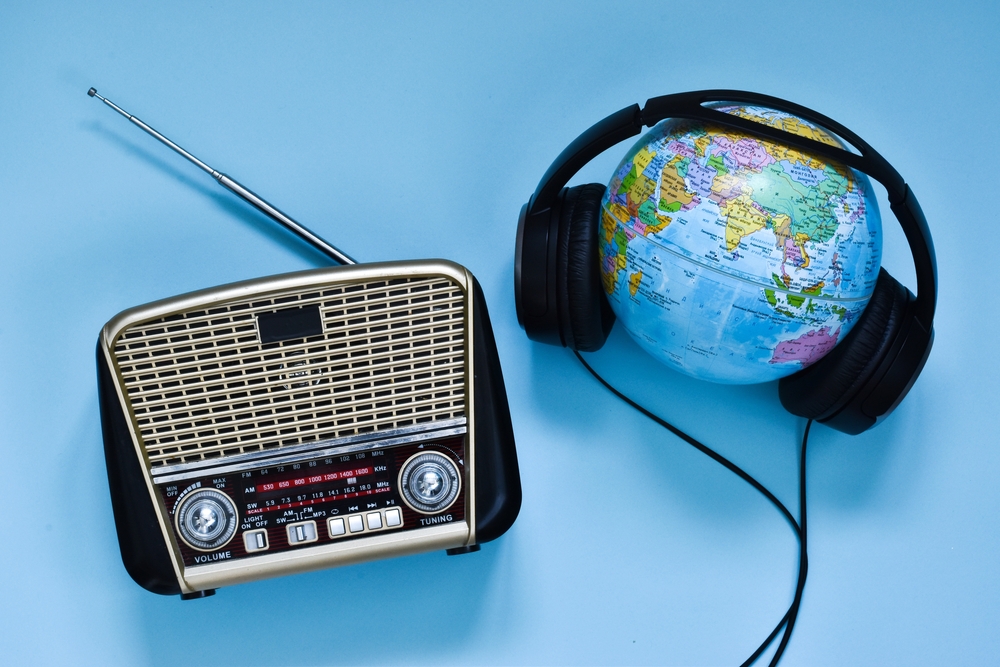
World Radio Day is celebrated every year on February 13. The day was proclaimed by UNESCO to recognize the power of radio as a medium that informs, educates, and connects people across the globe.
In a world dominated by social media, streaming platforms, and short-form video, you might think radio is outdated. But surprisingly, radio remains one of the most accessible and trusted forms of media worldwide. It reaches remote villages, big cities, and even areas without stable internet connections.
World Radio Day is not just about nostalgia. It’s about acknowledging how radio continues to play a major role in society today.
When we talk about media, we often focus on what’s trending online. But radio has something unique that digital platforms sometimes lack: intimacy.
Radio feels personal. Whether it’s a morning show host talking about daily life or a late-night music program, listeners often feel like they’re part of a small community. That emotional connection is one reason why World Radio Day remains relevant.
Radio also works where other media can’t. In emergency situations natural disasters, conflicts, or power outages radio can still broadcast vital information. It’s simple, affordable, and reliable.
That’s why World Radio Day reminds us that innovation doesn’t always mean replacing the old. Sometimes, it means strengthening what already works.
The idea of celebrating World Radio Day started in the early 2010s. UNESCO officially proclaimed February 13 as World Radio Day in 2011, and it was later adopted by the United Nations General Assembly.
Why February 13? Because it marks the anniversary of the establishment of United Nations Radio in 1946.
Since then, each year has a different theme. These themes often focus on issues like trust in media, climate change, diversity, youth voices, and innovation in broadcasting. The goal is always the same: highlight the importance of radio in modern society.
One of the biggest strengths of radio is accessibility. You don’t need a smartphone, don’t need high-speed internet and don’t even need electricity in some cases battery-powered radios still work.
This makes radio incredibly powerful in developing countries and rural areas. Community radio stations, for example, give local people a voice. They discuss local problems, promote local culture, and support small businesses.
World Radio Day often celebrates these grassroots stations. They may not have millions of followers, but they create real impact in their communities.
Let’s be honest: streaming and podcasts have changed the game. Platforms like Spotify and Apple have made audio content more on-demand than ever before.
But here’s the interesting part radio didn’t disappear. It adapted.
Many radio stations now stream live online. They post highlights on social media. They even create podcast versions of their shows. In other words, radio evolved instead of fading away.
World Radio Day is also about celebrating this transformation. Traditional radio and digital audio are no longer competitors they often work together.
Think about the last time you listened to music on the radio. Maybe you were driving. Maybe you were working late at night. Suddenly, a song came on that perfectly matched your mood.
That’s the magic of radio. It’s curated by humans. There’s a real person behind the microphone. A real story. A real voice.
Unlike algorithms, radio hosts bring personality. They laugh, make mistakes, share opinions, and tell stories. This human element builds trust and loyalty.
World Radio Day highlights this emotional power. It’s not just about sound waves. It’s about connection.
In many parts of the world, radio is still used for education. During school closures or crises, radio programs help students continue learning. Educational broadcasts can reach areas where online learning is impossible.
Radio is also used to spread awareness about health, agriculture, financial literacy, and social issues. Because it’s widely trusted, people often pay attention to what they hear.
World Radio Day reminds us that media can be a force for good. When used responsibly, radio empowers communities with knowledge.
Each year, World Radio Day comes with a theme. These themes focus on global challenges and how radio can help address them.
Some past themes have included:
Radio and Trust
Radio and Climate Change
Radio and Diversity
Radio and Youth
These topics show that radio is not stuck in the past. It actively participates in conversations about the future.
Governments, broadcasters, and organizations around the world organize events, panel discussions, and special broadcasts to celebrate World Radio Day. Schools and universities also use the day to teach students about media literacy and communication.
You don’t have to be a radio professional to celebrate World Radio Day. There are simple ways to take part:
Tune in to your local radio station.
Share your favorite radio memory on social media.
Support community radio stations.
Explore international broadcasts.
Even something as simple as turning on a radio for a few hours can reconnect you with a slower, more intentional way of consuming content.
In a time when we’re constantly scrolling, radio encourages us to just listen.
So, what’s next for radio?
The future of radio looks hybrid. Traditional FM and AM broadcasting will continue, but digital streaming, smart speakers, and mobile apps will expand its reach.
Voice technology and smart assistants are making radio easier to access. You can now ask a device to play your favorite station instantly.
World Radio Day reminds us that media doesn’t need to be flashy to be powerful. Sometimes, the simplest tools create the deepest impact.
Radio has survived wars, technological revolutions, and the rise of the internet. That resilience says a lot.
World Radio Day is more than a celebration of an old device. It’s a recognition of a medium that continues to connect people across borders, languages, and cultures.
In a noisy digital world, radio offers something different clarity, authenticity, and human connection.
So on February 13, take a moment. Turn on a radio. Listen to a voice you’ve never heard before. Discover a song you didn’t know you needed.
Because even in 2026 and beyond, World Radio Day proves that radio is far from silent.