

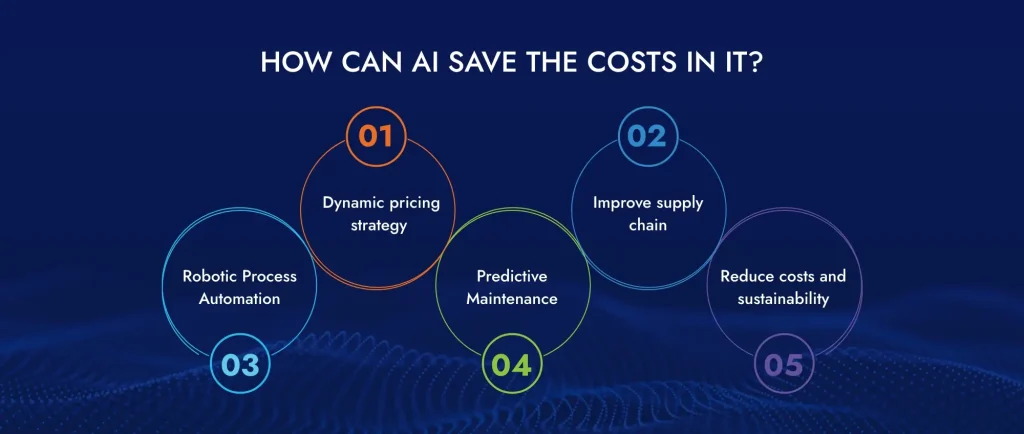
Artificial Intelligence (AI) has rapidly evolved from an emerging technology into a strategic business necessity. Organizations across industries are deploying AI-powered tools to automate processes, improve decision-making, enhance customer experiences, and reduce operational expenses. In fact, recent findings show that 48% of cuts are linked to AI-driven efficiency and cost optimization. As AI adoption accelerates, its impact on workforce structures has become increasingly visible.
One of the most debated developments in recent years is the growing connection between workforce reductions and AI implementation. Reports, surveys, and corporate announcements suggest that approximately 48% of workforce cuts in certain sectors have been linked, either directly or indirectly, to AI-driven efficiency initiatives and cost optimization strategies. While the exact percentage varies across industries and studies, the trend reflects a broader shift toward automation and digital transformation.
This development has sparked important discussions among business leaders, employees, policymakers, and economists. Is AI replacing jobs, or is it transforming them? Are organizations using AI primarily to reduce costs, or are they creating new opportunities through innovation? Understanding the relationship between AI, workforce restructuring, and business efficiency is essential for navigating the future of work.
Artificial Intelligence refers to computer systems capable of performing tasks that traditionally require human intelligence. These tasks include language processing, pattern recognition, decision-making, predictive analysis, and content generation.
Over the last decade, AI adoption has expanded dramatically due to improvements in:
Organizations increasingly view AI as a tool for achieving operational excellence. Rather than simply enhancing existing processes, AI often enables entirely new approaches to productivity and resource management.
The statement that 48% of cuts are linked to AI-driven efficiency and cost optimization reflects a growing pattern observed across multiple industries. In many organizations, workforce reductions are not solely the result of economic downturns or declining demand. Instead, they are increasingly associated with technology investments that reduce the need for certain repetitive or administrative roles.
It is important to note that AI-related workforce changes typically occur through several mechanisms:
In many cases, organizations are not replacing entire departments with AI. Rather, they are redesigning workflows, resulting in reduced demand for specific roles while increasing demand for new skills.
Businesses operate in increasingly competitive environments. Rising labor costs, inflationary pressures, supply chain challenges, and economic uncertainty have encouraged organizations to seek efficiency gains.
AI offers several advantages:
For executives facing pressure to improve margins, AI presents an attractive opportunity to achieve measurable cost savings.
AI systems can often perform routine tasks significantly faster than humans. Tasks that once required hours may now be completed in minutes.
Examples include:
These productivity gains enable organizations to operate with leaner teams while maintaining or even increasing output.
The technology industry has been among the earliest adopters of AI-powered tools. Software companies increasingly utilize AI for coding assistance, testing, customer support, and documentation.
As a result, some organizations have streamlined teams responsible for repetitive technical and administrative functions.
AI-powered chatbots and virtual assistants have transformed customer support operations.
Modern conversational AI systems can:
This automation reduces the need for large customer support teams while improving response times.
Banks, insurance companies, and financial institutions use AI to automate risk assessment, fraud detection, compliance monitoring, and customer interactions.
Many back-office functions previously requiring extensive human labor are now partially automated.
Manufacturing has experienced automation for decades, but AI has accelerated the trend.
AI-powered systems can:
These capabilities often reduce labor requirements while increasing productivity.
Consider a multinational company that receives hundreds of thousands of customer inquiries each month. Traditionally, large support teams handled these requests manually.
After implementing advanced AI chatbots and automated ticket-routing systems, the company observed:
However, the organization also reduced staffing needs for routine inquiries. Employees were either reassigned to higher-value tasks or affected by workforce restructuring.
This example illustrates both the opportunities and challenges associated with AI adoption.
Organizations typically evaluate technology investments based on return on investment (ROI).
AI initiatives often deliver value through:
When an AI solution can perform the work of multiple employees at lower long-term cost, executives may decide to restructure teams accordingly.
From a financial perspective, such decisions can improve profitability and shareholder value. However, they also raise important workforce and societal considerations.
Not all jobs face equal risk from AI-driven automation.
Roles involving repetitive, rules-based activities are generally more susceptible.
AI excels at processing structured information and performing predictable tasks, making these positions particularly vulnerable to automation.
While AI may eliminate certain roles, it is also creating new opportunities.
Demand is increasing for professionals who can develop, manage, and utilize AI technologies effectively.
Historically, technological revolutions have often displaced some jobs while creating entirely new categories of employment.
Many workers view AI with a mixture of optimism and uncertainty.
Common concerns include:
Organizations that fail to address these concerns may experience reduced morale and employee engagement.
Workforce reductions linked to technology adoption can create anxiety among employees.
Transparent communication and investment in workforce development are essential for maintaining trust during periods of change.
Many experts argue that workforce development is the most effective response to AI-driven disruption.
Rather than focusing solely on workforce reductions, organizations can invest in:
Employees equipped with modern skills are better positioned to work alongside AI rather than compete against it.
Several major organizations have launched large-scale reskilling initiatives designed to prepare employees for AI-enhanced workplaces.
Instead of replacing workers outright, these companies train employees to supervise automated systems, analyze data, and manage digital workflows.
Such programs demonstrate how businesses can balance efficiency with workforce sustainability.
The emergence of generative AI has accelerated concerns regarding workforce reductions.
Unlike earlier automation technologies, generative AI can produce content, write code, summarize documents, and generate insights.
Applications include:
Because these tools affect knowledge-based work, their impact extends beyond traditional automation targets.
Although AI often reduces costs, its greatest value may come from innovation.
Organizations that focus exclusively on workforce reductions risk overlooking AI’s broader potential.
Successful companies use AI to:
In many cases, AI-driven growth initiatives create new employment opportunities that partially offset workforce reductions.
The growing link between AI adoption and workforce cuts raises important ethical questions.
Business leaders must consider:
Organizations that manage AI transitions responsibly are more likely to maintain positive reputations and long-term stakeholder trust.
Most experts agree that AI will continue transforming workplaces over the coming decade.
Future trends may include:
Rather than eliminating work entirely, AI is likely to redefine how work is performed.
The organizations that succeed will be those capable of integrating technology while preserving human creativity, judgment, and innovation.
Business leaders navigating AI-driven transformation should adopt a balanced approach.
These practices help organizations maximize the benefits of AI while minimizing disruption.
The growing reality that approximately 48% of workforce cuts are linked to AI-driven efficiency and cost optimization reflects a significant transformation in the modern business landscape. Artificial Intelligence is enabling organizations to automate repetitive tasks, streamline operations, and achieve unprecedented levels of productivity. These benefits are driving widespread adoption across industries ranging from finance and manufacturing to customer service and technology.
However, the relationship between AI and workforce reductions is far more complex than simple job replacement. While certain roles face increased automation risk, new opportunities are emerging in fields such as AI development, data science, cybersecurity, and digital transformation. The future of work will likely be defined not by competition between humans and machines, but by collaboration between them.
Organizations that approach AI strategically—combining efficiency gains with workforce development, innovation, and ethical responsibility—will be best positioned for long-term success. As AI continues to reshape the global economy, leaders must focus on balancing technological advancement with human potential, ensuring that progress benefits businesses, employees, and society alike.