

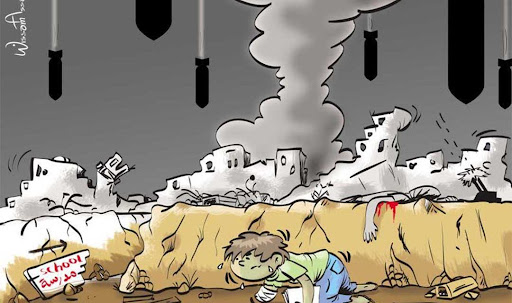
By April 2026, global fighting has reached its highest level in decades. Modern war now takes place in crowded cities. One of the most profound and devastating issues is the impact of war on children and vulnerable communities. Schools, hospitals, and homes have become the new front lines. While news reports focus on weapons and territory, the real cost is measured in the broken lives of people who cannot defend themselves.
The year 2024 was one of the deadliest for children, and 2026 is even worse. Beyond physical danger, war creates a “silent emergency.” It destroys healthcare, schools, and safety networks. This leaves permanent scars on the most fragile groups.
For children in places like Sudan, Gaza, and Ukraine, a “normal” life no longer exists. In 2024, the UN found over 41,000 major crimes against children. This was a 25% jump from the year before. These crimes include killing, injury, forcing children to join armies, and attacks on schools.
In 2026, armies are using more explosives in cities. This makes the home the most dangerous place for a child. Statistics show that explosives cause nearly 70% of child deaths and injuries today. Survivors often live with physical or mental disabilities for the rest of their lives. They must grow up in a world that failed to protect them.
The “hidden wounds” of war—like PTSD, anxiety, and depression—are often harder to fix than broken bones. In 2025, health experts estimated that 1 in 5 people who live through war will have a serious mental health issue. For children, the constant stress of bombs and moving can hurt how their brains grow.
Recent studies in 2026 show that some children stop showing any emotion at all. They grow up with sirens as a daily sound and may stop reacting to danger. This is a survival trick, but it hides deep pain. Without help, these children may struggle to learn, make friends, or hold jobs when they grow up.
International law says that schools and hospitals should be safe, but in 2026, attacks on these places have become common. Experts now see an average of four schools or hospitals attacked every single day. This is not just by accident; it is a way to break a community’s spirit.
The impact is fast and deadly. When a hospital is gone, a child misses their shots, an old person loses their medicine, and a mother has no safe place to give birth. When schools are destroyed—as they have been in over 90% of some war zones—it creates a “lost generation.” These children grow up without the skills they need to build a better life.
Even when food and medicine are available, getting them to people is the biggest challenge of 2026. Aid workers are being killed at record rates. Some armies use blockades to stop food from reaching hungry families as a way to win the war.
The result is famine. In 2025, two different famines happened at the same time because of war. As we move through 2026, 8 million children are at risk of dying from hunger in Sudan and Yemen. To make things worse, global aid budgets were cut in 2025, leaving groups like UNICEF with very little money to help those on the brink of death.
In modern war, the bodies of women and girls are often treated as battlefields. Violence against them rose by 25% in 2024 and kept going up in 2025. Soldiers and armed groups use this violence as a tool to terrorize and control people.
The damage lasts much longer than the war. Survivors often face shame from their own communities and have no doctors to help them. In 2026, most victims are women and girls, but there has also been a massive (125%) rise in violence against boys. Because these crimes are rarely punished, the cycle of pain continues for years.
The facts from 2024 to early 2026 show the terrible cost of war. The pain caused to children and fragile groups is not just a side effect; it happens because world laws are being ignored.
The world must do more than just feel sad. We must force leaders to follow the laws of war. Protecting the weak is not just a kind thing to do—it is a legal duty. If we do not protect the most fragile people today, the pain of these wars will last for generations to come.