

When you think about global tensions and geopolitical hot spots, Iran and the United States have long been part of that picture. But on January 14–15 2026, something unusual happened — Iran temporarily closed much of its airspace, and that set off a flurry of reactions around the world. It didn’t make headlines just because planes changed routes — it also highlighted how fragile and tense things have become between Tehran and Washington.
In this article, we’ll break down what happened, why Iran did it (or seems to have done it), how airlines and governments reacted, and what bigger meaning this all might have in the broader U.S.–Iran relationship.
On the afternoon of January 14, 2026, Iranian aviation authorities issued a Notice to Air Missions (NOTAM) — basically a message telling all pilots that most flights couldn’t use Iranian skies for now. Regular civilian flights were told to stay out unless they had special permission.
This meant that normal commercial airplanes that typically fly over Iran — especially on routes between South Asia, Europe, and the Middle East — had to reroute, delay, or cancel flights. Airlines including IndiGo and Air India warned passengers about disruptions.
According to tracking data, by evening the Iranian airspace was almost empty of civilian traffic — a rare sight in one of the world’s busiest regional corridors.
The closure was meant to be temporary, lasting only a few hours — but then Iran extended the order — raising eyebrows even more.
Officially, the Iranian government didn’t give a detailed explanation. That itself was unusual — normally, countries close airspace for specific safety reasons like bad weather, war, conflict, or missile threats. But in this case, Iran simply said flights were restricted and left it at that.
However, when you connect the dots, the closure didn’t happen in isolation — it took place against the backdrop of two major developments:
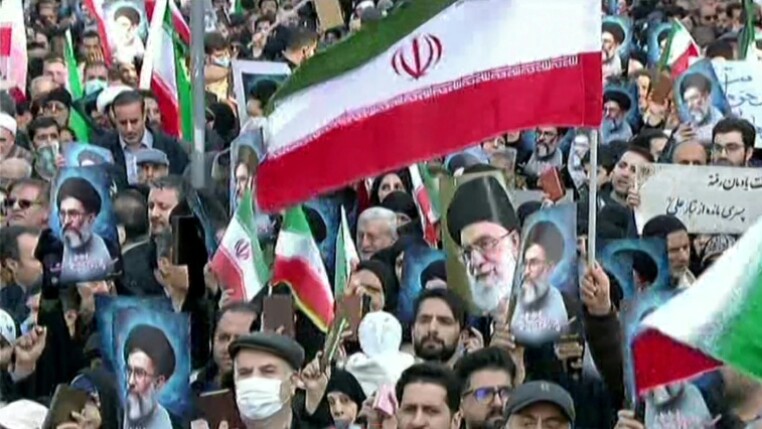
For weeks leading up to this moment, Iran was dealing with nationwide protests. Reports say that these were some of the largest and deadliest demonstrations in years, with thousands of people involved and hundreds killed. The protests began over deep economic issues but quickly grew bigger, pushing many Iranians to criticize the political system itself.
Authorities responded with a strong crackdown, partly cutting off internet and communications. That means the government was already on high alert internally.
At the same time, tensions between Iran and the United States were heating up. The U.S. government had publicly warned about the crisis and considered various options — even military ones — as talks between the two nations hit low points. There were discussions in Washington about responding to Iran’s crackdown, and U.S. forces started pulling some personnel out of the Middle East.
For Iran, that meant they were watching not just internal unrest, but also what the U.S. might do next. Closing the airspace could have been a precautionary move, signaling that they were prepared for possible conflict, or simply trying to protect their skies from foreign military or intelligence aircraft.
Airlines don’t like sudden changes — their whole business depends on stable air routes and safety. Iran’s airspace is strategically located; it’s a shortcut for flights between Europe and Asia. So when it suddenly closed, many carriers had to act fast:
Some flights were rerouted around Iran, which takes longer and can increase fuel costs.
Airlines like IndiGo and Air India warned customers that schedules could change or flights could be delayed.
A few flights even returned to their origin airports because of the uncertainty.
Aviation safety organizations pointed out that this kind of closure usually means increased security risk — maybe even missile or air defense activity nearby.
For the average traveler, news like this means checking flight status more often, keeping travel insurance handy, and being ready for surprises in international trips.
Reactions weren’t limited to airlines.
The U.S. was already on edge with the Iran situation. Officials continued to watch closely, and some American military forces in the Middle East adjusted their positions. The U.S. didn’t directly blame Iran for a specific act, but tensions were clearly visible in diplomatic circles.
Other countries — like India, where many citizens travel to Europe or the Middle East — issued warnings and urged their citizens to stay updated. Governments often lean on their embassies to help travelers during international problems like this.
Some European airlines, like Lufthansa, even avoided Iranian airspace entirely during this period — showing that airspace safety concerns didn’t just affect local operators.
In many ways, this airspace closure was more symbolic than a game-changer in global politics. However, it does underline a few important points:
When a government closes its skies suddenly, it’s usually because they see risks they can’t control — whether domestic unrest or international actions. Given the broader context in Iran, this move raised concerns that things might continue to escalate.
The U.S. was monitoring Iran’s domestic crisis and weighing how to respond. Iran, on the other hand, was clearly sensitive to U.S. military and diplomatic moves in the region. That creates a dangerous mix — especially if either side misinterprets the other’s intentions.
Closing airspace affects civilians, but it also sends a message. It tells the world that something serious is happening behind the scenes — and that’s exactly what happened here.
No one can predict the future, but several possibilities are on the table:
The airspace could stay restricted longer if tensions persist.
Diplomatic talks might resume if both sides see a benefit in de-escalation.
Protests and debate inside Iran could shape how the Iranian government deals with foreign relations.
Airlines might permanently change routes through the region to avoid risks — even after things calm down.
Iran’s brief airspace closure didn’t lead to a full-blown war or immediate major crisis — yet. But it did highlight how thin the line is between normalcy and conflict in some parts of the world. A temporary airspace shutdown may sound like a small technical issue, but in today’s interconnected political climate, it becomes a significant geopolitical signal.
From delays at airports to governments scrambling for information, this incident reminds us that international tensions affect real people — not just diplomats on TV.
Whether this moment becomes a footnote in history or a turning point in U.S.–Iran relations, only time will tell. For now, travelers and global watchers alike will keep an eye on Tehran, Washington, and how the world reacts next.