

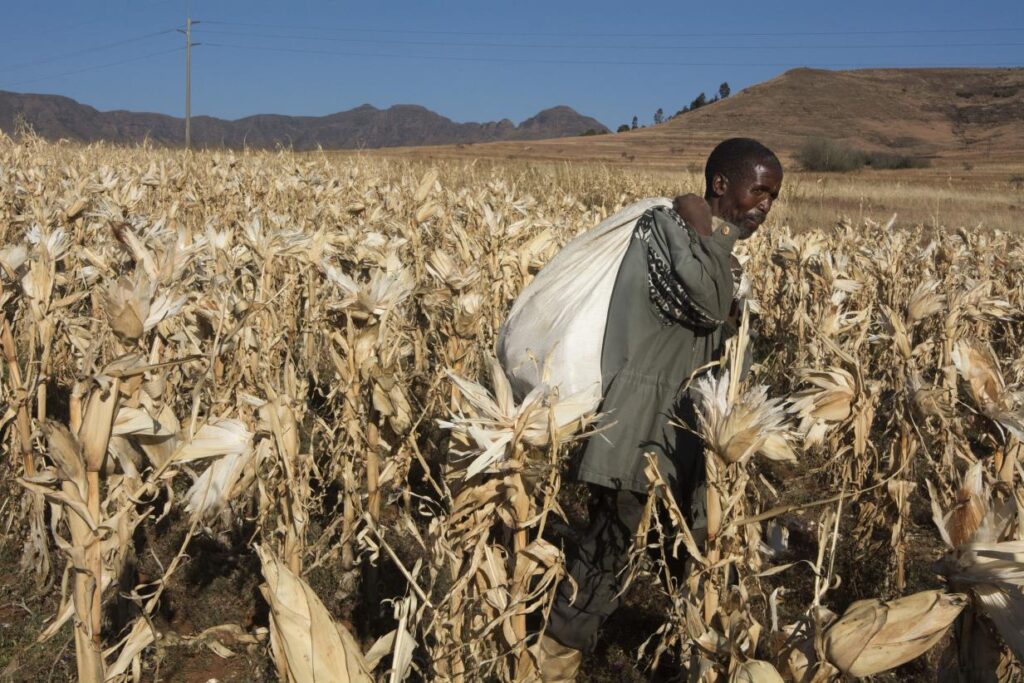
War has always had devastating consequences, but in today’s interconnected world, its impact extends far beyond the battlefield. War-Related Food Shortages and Global Supply Chain Disruption are now some of the most critical and far-reaching consequences of modern conflict. As wars damage agricultural production, interrupt trade routes, and destabilize economies, they trigger food shortages that affect millions—even in countries far removed from the conflict zone.
In recent years, global crises have highlighted how fragile food supply chains can be. Conflicts in key agricultural regions have led to rising food prices, scarcity of essential commodities, and increased hunger worldwide. This article explores how war contributes to food shortages, the mechanisms behind global supply chain disruption, and the broader implications for food security and economic stability.
Food systems are complex networks that include production, processing, transportation, and consumption. War disrupts each of these components, often simultaneously.
At its core, the relationship between war and food insecurity is cyclical. Conflict reduces food availability, which can exacerbate social tensions and lead to further instability. This vicious cycle has been observed in multiple regions across the globe.
Bombings, landmines, and military operations often destroy farmland, irrigation systems, and storage facilities. This makes it difficult for farmers to grow and harvest crops, leading to reduced output.
Millions of people are forced to flee their homes during conflicts, including those who work in agriculture. This results in labor shortages and abandoned farmland.
War disrupts the supply of essential inputs such as seeds, fertilizers, and machinery. Without these resources, farmers cannot maintain productivity.
Modern food systems rely heavily on global supply chains. War can disrupt these networks in multiple ways, leading to widespread consequences.
Conflict zones often become inaccessible, with damaged roads, blocked ports, and unsafe shipping routes. This delays or prevents the movement of food and agricultural products.
Sanctions and export bans imposed during conflicts can limit the availability of key commodities in global markets.
War often leads to higher fuel prices, increasing the cost of transportation and food production. This contributes to inflation and higher food prices globally.
Ukraine is one of the world’s largest exporters of wheat, corn, and sunflower oil. The conflict disrupted planting and harvesting, while blockades of ports limited exports. As a result, global grain prices surged, affecting countries dependent on imports.
Years of conflict in Yemen have devastated its food system. The country relies heavily on imports, and disruptions have led to widespread hunger, with millions facing famine-like conditions.
In the Horn of Africa, conflict combined with climate change has intensified food shortages. Disrupted supply chains and reduced agricultural output have left millions in need of aid.
Food shortages have significant economic implications, affecting both developed and developing countries.
Reduced supply and increased costs lead to higher food prices. This disproportionately affects low-income households, which spend a larger share of their income on food.
Uncertainty in supply chains leads to fluctuations in commodity prices, making it difficult for businesses and governments to plan effectively.
Countries dependent on food imports face shortages and may seek alternative suppliers, reshaping global trade patterns.
The human cost of food shortages is immense, with millions facing hunger and malnutrition.
According to global estimates, hundreds of millions of people experience food insecurity, with conflict being a leading cause.
Food scarcity forces people to migrate in search of better living conditions, often leading to refugee crises.
Rising food prices and shortages can trigger protests and political instability, further exacerbating conflict.
War not only disrupts food systems but also damages the environment, affecting long-term agricultural productivity.
Addressing war-related food shortages requires coordinated global efforts and innovative solutions.
Investing in local agriculture can reduce dependence on global supply chains.
Diversifying supply sources and improving logistics infrastructure can mitigate disruptions.
Global collaboration is essential to ensure food availability and support affected regions.
Advancements in agricultural technology can improve productivity and efficiency.
The increasing frequency of conflicts highlights the need for resilient and adaptable food systems.
War-related food shortages and global supply chain disruptions represent one of the most urgent challenges of our time. As conflicts continue to impact key agricultural regions, the ripple effects are felt worldwide, from rising food prices to widespread hunger and instability.
The interconnected nature of modern food systems means that no country is immune to these disruptions. Addressing this crisis requires a multifaceted approach that includes strengthening local production, enhancing supply chain resilience, and fostering international cooperation.
Ultimately, ensuring global food security in the face of conflict is not just a humanitarian necessity—it is essential for economic stability and global peace. By understanding the complex dynamics at play and اتخاذ proactive measures, the international community can work toward a more secure and sustainable future.