

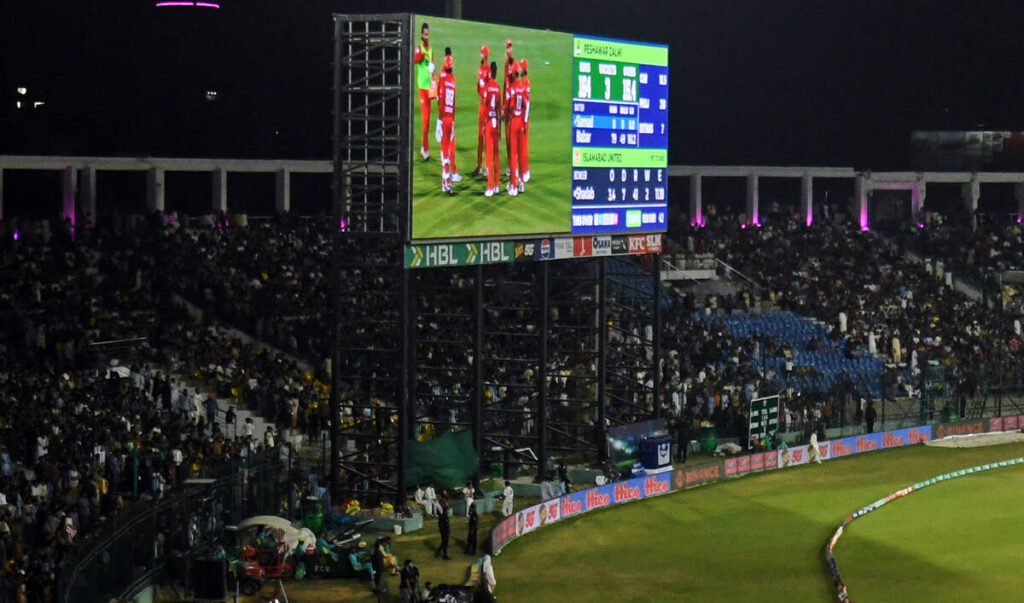
The decision to bar fans from attending matches in the Pakistan Super League (PSL) for a month due to regional security concerns has sparked widespread debate among cricket enthusiasts, policymakers, and sports administrators. PSL Fans Barred from Matches for a Month is a headline dominating discussions both on and off the field. As one of the most celebrated T20 leagues in the world, the PSL has played a crucial role in reviving international cricket in Pakistan. However, security challenges continue to influence how the sport is experienced by millions of fans.
This temporary restriction highlights the delicate balance between ensuring public safety and preserving the vibrant atmosphere that defines live sports. In this article, we explore the reasons behind the decision, its impact on stakeholders, historical context, and what it means for the future of cricket and sports events in volatile regions.
The Pakistan Super League, launched in 2016, quickly became a cornerstone of Pakistan’s cricketing ecosystem. Featuring both local and international players, the league has helped restore confidence in Pakistan as a safe destination for international sports.
Over the years, PSL has attracted millions of viewers globally, with packed stadiums becoming a symbol of the country’s resilience and passion for cricket.
The decision to restrict fan attendance was primarily driven by heightened regional security concerns. Authorities cited intelligence reports indicating potential risks to large public gatherings, prompting precautionary measures.
In regions where security threats are unpredictable, governments often prioritize safety over public engagement. Sporting events, due to their large crowds, can become potential targets, necessitating strict protocols.
Pakistan’s cricketing history has been deeply intertwined with security challenges. Following the 2009 attack on the Sri Lankan cricket team in Lahore, international cricket largely disappeared from the country for several years.
The PSL played a pivotal role in bringing cricket back home, with gradual improvements in security allowing for the return of international players and teams. However, the recent decision underscores that challenges persist.
The absence of fans significantly alters the experience of live cricket. Stadiums that once echoed with cheers and chants now feel subdued, affecting both players and viewers.
Fans are the lifeblood of sports, and their absence creates a noticeable void.
Studies suggest that crowd presence can influence player performance. The energy of a live audience often boosts morale and creates a competitive atmosphere.
The financial impact of barring fans is substantial. Revenue streams such as ticket sales, concessions, and local business activities are directly affected.
With fans unable to attend matches physically, broadcasters and digital platforms play a crucial role in maintaining engagement.
Streaming services, social media interactions, and virtual fan experiences have become essential in bridging the gap.
The PSL is not the first sporting event to face fan restrictions. During the COVID-19 pandemic, leagues worldwide operated in empty or partially filled stadiums.
Ensuring safety while maintaining the spirit of sports is a complex challenge. Authorities must weigh risks against the cultural and economic importance of fan participation.
The temporary restriction is expected to be lifted once security conditions improve. However, it raises questions about the long-term approach to managing risks in sports events.
The decision to bar PSL fans from matches for a month due to regional security concerns underscores the ongoing challenges faced by sports आयोजकों in volatile environments. While safety remains the top priority, the absence of fans highlights the integral role they play in shaping the spirit and success of sporting events.
This situation serves as a reminder of the need for innovative solutions that balance security with fan engagement. From leveraging digital platforms to enhancing on-ground safety measures, stakeholders must adapt to ensure that the essence of cricket is preserved.
Ultimately, the resilience of the PSL and its fans will determine how quickly the league can վերադարձ to its vibrant, crowd-filled atmosphere. With continued efforts, the hope remains that stadiums will once again be filled with the passion and energy that define cricket in Pakistan.