

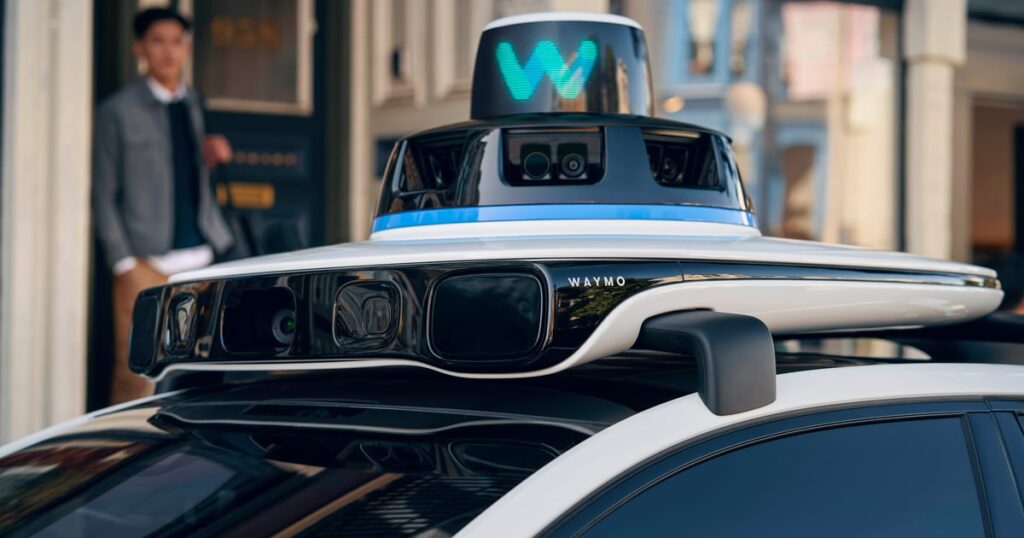
For years, Waymo and Uber felt like they were living in two different worlds. Uber dominated ride-hailing with millions of human drivers, flexible pricing, and near-global reach. Waymo, on the other hand, looked like a futuristic experiment robotaxis quietly cruising limited areas in cities like Phoenix and San Francisco, often seen as impressive but expensive.
That gap, especially in price, used to be obvious. Booking a Waymo ride often felt like paying a premium for novelty and cutting-edge technology. Uber was cheaper, faster to scale, and available almost everywhere. But something interesting is happening now: the price gap between Waymo and Uber is starting to narrow.
And that shift could change how people think about the future of urban transportation.
In its early days, Waymo’s robotaxi service was not really built to compete head-to-head with Uber on price. It was more about proving that autonomous driving actually worked in real-world conditions. Safety drivers, limited fleets, heavy R&D costs, and complex mapping systems all added up to high operating expenses.
Those costs were reflected in fares. Many riders saw Waymo as a cool experience, not a daily alternative.
Fast forward to today, and the picture looks different. Waymo has been steadily expanding its driverless operations, removing safety drivers, increasing fleet utilization, and improving software efficiency. Each of those steps cuts costs. Slowly but surely, Waymo rides are starting to look less like a luxury and more like a realistic substitute for Uber.
While Waymo is getting cheaper, Uber isn’t exactly relaxing. Uber’s pricing has been under pressure from multiple directions. Driver incentives, fuel costs, inflation, and regulatory requirements have all pushed fares higher in many cities. Riders have noticed. Complaints about surge pricing are more common, and what used to be an affordable ride now sometimes feels like a small splurge.
At the same time, Uber has been working hard to improve profitability. That means tighter incentives for drivers, more dynamic pricing, and fewer subsidies for cheap rides. The result? Average Uber fares in many markets have crept up.
So the narrowing price gap isn’t just about Waymo getting cheaper it’s also about Uber becoming more expensive.
There’s a simple economic reality behind this shift: robots don’t ask for wages.
Human drivers are Uber’s biggest cost. Even with flexible work models, drivers still need to be paid enough to make driving worthwhile. Add insurance, support costs, and regulatory compliance, and the expenses pile up quickly.
Waymo, by contrast, invests heavily upfront in vehicles, sensors, and software. But once those costs are spread across thousands of rides, the marginal cost of each additional trip drops significantly. As fleets grow and utilization improves, robotaxis start to look financially attractive.
This is the moment Waymo has been waiting for the point where scale starts to matter more than experimentation.
In the early days, autonomous rides were exciting. People booked Waymo just to see what it felt like to sit in a car with no driver. Now, that novelty is wearing off. What riders care about is simple: price, wait time, and reliability.
If a Waymo ride costs roughly the same as Uber, many users are willing to choose the driverless option especially if it means no awkward conversations, no tipping, and consistent driving behavior. On the flip side, if Uber is significantly cheaper or faster, most people still stick with what they know.
As the price difference shrinks, Waymo becomes a more natural choice rather than a curiosity.
Despite the narrowing gap, Waymo and Uber are not competing on equal ground everywhere. Uber’s biggest advantage remains its global reach. You can land in almost any major city and open the app.
Waymo is still limited to specific zones. Its service areas are carefully mapped and geofenced, which limits flexibility. That means price comparisons only really matter in cities where both services are available.
But within those zones, the competition is becoming very real. In some cases, riders report Waymo prices matching or even slightly undercutting Uber during peak times, when surge pricing kicks in.
This trend creates a quiet but serious challenge for Uber. Even if Waymo doesn’t expand rapidly, the mere existence of a price-competitive robotaxi puts pressure on Uber’s business model.
If autonomous services can offer similar prices without drivers, investors and analysts will inevitably ask tough questions: how long can a human-driver-based model compete? How much pricing power does Uber really have?
Uber has been preparing for this future, of course. The company has partnered with autonomous vehicle firms, exited its own self-driving program, and positioned itself as a platform rather than just a ride-hailing company. Still, the rise of cheaper robotaxis changes the conversation.
Waymo’s approach has always been cautious. Instead of expanding everywhere at once, it focuses on doing a few cities extremely well. That patience may finally be paying off.
By refining operations in limited markets, Waymo can optimize costs, improve safety metrics, and build public trust. As prices come closer to Uber’s, that trust becomes a powerful asset.
People might tolerate a slightly longer wait or smaller service area if the ride is smooth, predictable, and reasonably priced.
The narrowing price gap between Waymo and Uber doesn’t mean robotaxis have already won. But it does signal that the future many predicted is starting to feel real.
Autonomous vehicles are no longer just a tech demo. They’re becoming a competitive transportation option. And once price parity enters the picture, adoption can accelerate quickly.
For riders, this competition is good news. More options, more pressure on prices, and better service overall. For companies, it’s a reminder that technology doesn’t need to be perfect to disrupt an industry it just needs to be good enough and affordable.
This isn’t a dramatic overnight change. It’s a gradual shift, happening ride by ride, city by city. But trends like this tend to snowball.
As Waymo continues to reduce costs and Uber faces rising expenses, the gap will likely shrink even further. When that happens, the question won’t be whether robotaxis can compete with Uber but whether Uber can maintain its edge in a world where the driver is no longer part of the equation.
And that’s when urban mobility could really start to look different.