

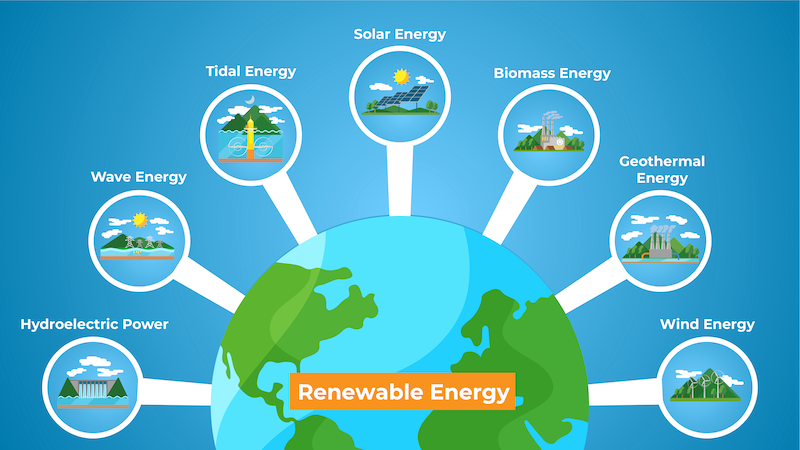
Renewable energy has become one of the most transformative forces shaping the global economy and environmental landscape. Advances in renewable energy technology and sustainability are now critical as nations strive to reduce greenhouse gas emissions, improve energy security, and meet ambitious climate goals, while technological advances in renewable energy are driving a new era of sustainable development. Solar panels are becoming more efficient, wind turbines are generating more electricity than ever before, batteries are storing energy at lower costs, and smart grids are making power distribution more reliable and efficient.
The transition from fossil fuels to renewable energy is no longer a distant vision—it is happening today. Governments, businesses, and consumers are investing heavily in clean energy solutions that reduce carbon emissions while creating economic opportunities. According to international energy reports, renewable energy now accounts for the majority of new electricity generation capacity added worldwide each year. This rapid expansion demonstrates the growing confidence in renewable technologies as practical and cost-effective alternatives to conventional energy sources.
This article explores the latest advances in renewable energy technology, their role in promoting sustainability, key innovations across different sectors, real-world examples, challenges, and the future outlook for the global clean energy transition.
Renewable energy comes from natural resources that are continuously replenished. Unlike fossil fuels such as coal, oil, and natural gas, renewable sources generate electricity with little or no direct greenhouse gas emissions during operation.
The primary renewable energy sources include:
Each technology contributes differently depending on geographical conditions, available resources, and national energy strategies.
The global demand for electricity continues to grow due to population growth, industrialization, and digital transformation. Meeting this demand while reducing environmental impacts requires cleaner and more sustainable energy solutions.
Renewable energy provides several important benefits:
These advantages make renewable energy a central pillar of global sustainability efforts.
Solar power has experienced extraordinary technological progress over the past decade. Improvements in photovoltaic (PV) efficiency, manufacturing processes, and installation techniques have significantly lowered costs while increasing electricity production.
Modern photovoltaic cells convert sunlight into electricity more efficiently than earlier generations. Advanced materials and improved cell designs enable higher energy output from the same installation area.
Bifacial modules generate electricity from both the front and back surfaces by capturing reflected sunlight. This innovation increases overall energy production without requiring additional land.
Floating photovoltaic systems installed on reservoirs and lakes help conserve land while reducing water evaporation. They also improve panel efficiency because water naturally cools the equipment.
Architects increasingly incorporate solar technology directly into roofs, windows, and building facades, allowing structures to generate electricity without separate rooftop installations.
Wind power has become one of the fastest-growing renewable energy sources due to continuous improvements in turbine technology.
Modern offshore wind projects now produce enough electricity to power millions of homes while occupying relatively little land.
Energy storage plays a critical role in supporting renewable energy because solar and wind generation depend on weather conditions.
Recent battery innovations include:
Large-scale battery installations help balance electricity supply and demand, improving grid stability and reducing reliance on fossil fuel backup generation.
Traditional electrical grids were designed for centralized fossil fuel power plants. Modern renewable energy systems require smarter infrastructure capable of managing distributed electricity generation.
Smart grids use digital communication technologies to:
Artificial intelligence and advanced analytics further optimize electricity distribution and maintenance scheduling.
Green hydrogen has emerged as a promising solution for decarbonizing sectors that are difficult to electrify, including heavy industry, aviation, and shipping.
Produced using renewable electricity to split water into hydrogen and oxygen, green hydrogen generates no direct carbon emissions during production when powered entirely by renewable energy.
Many governments are investing heavily in hydrogen infrastructure to complement renewable electricity generation.
Artificial intelligence is transforming renewable energy management by improving forecasting, system efficiency, and maintenance.
AI applications include:
Machine learning algorithms analyze large volumes of operational data, helping utilities reduce costs and improve reliability.
The rapid growth of electric vehicles (EVs) complements renewable energy expansion by reducing dependence on petroleum while increasing electricity demand.
Charging EVs with renewable electricity significantly lowers transportation-related carbon emissions. Vehicle-to-grid technology also enables electric vehicles to return stored electricity to the grid during periods of high demand.
China has become the global leader in renewable energy deployment through sustained investment in solar manufacturing and utility-scale installations. Massive solar farms and widespread rooftop systems have significantly expanded clean electricity generation.
China’s manufacturing capacity has also contributed to falling global solar panel prices, making renewable energy more affordable worldwide.
Several European countries have invested heavily in offshore wind farms located in coastal waters with strong and consistent wind resources.
These projects demonstrate how technological innovation, supportive policies, and private investment can accelerate renewable energy deployment while creating new employment opportunities.
Renewable energy provides numerous environmental advantages compared with fossil fuels.
Although renewable technologies have environmental footprints associated with manufacturing and installation, lifecycle emissions remain substantially lower than conventional fossil fuel systems.
The renewable energy sector contributes significantly to economic growth and employment.
Many countries now view renewable energy as both an environmental necessity and an important driver of industrial competitiveness.
Despite impressive progress, renewable energy still faces several challenges.
Addressing these challenges will require continued innovation, investment, and international cooperation.
Recent industry trends highlight the remarkable growth of renewable energy.
These statistics illustrate the rapid transformation of global energy systems toward cleaner technologies.
The future of renewable energy appears highly promising. Continued advances in artificial intelligence, battery technology, green hydrogen, smart grids, floating solar systems, offshore wind farms, and next-generation photovoltaic materials are expected to accelerate global adoption.
Emerging technologies such as perovskite solar cells, solid-state batteries, long-duration energy storage, carbon-neutral fuels, and digital energy management platforms could further improve efficiency while reducing costs.
Governments, businesses, financial institutions, and consumers are increasingly recognizing renewable energy as essential for achieving climate goals while supporting long-term economic resilience.
Individuals also play an important role in advancing renewable energy and sustainability.
Small actions by millions of people collectively contribute to significant environmental improvements.
Advances in renewable energy technology are transforming the global energy landscape and creating new opportunities for sustainable development. Breakthroughs in solar power, wind energy, battery storage, smart grids, hydrogen production, and artificial intelligence are making clean electricity more affordable, reliable, and accessible than ever before. These innovations not only reduce greenhouse gas emissions but also strengthen energy security, improve public health, stimulate economic growth, and create millions of skilled jobs worldwide.
Although important challenges remain—including energy storage, grid modernization, supply chain resilience, and responsible resource management—the pace of technological progress continues to accelerate. Governments, industries, researchers, and consumers all have important roles to play in supporting the clean energy transition. As investment and innovation continue to expand, renewable energy will remain at the heart of global sustainability efforts, helping build a cleaner, more resilient, and economically prosperous future for generations to come.