

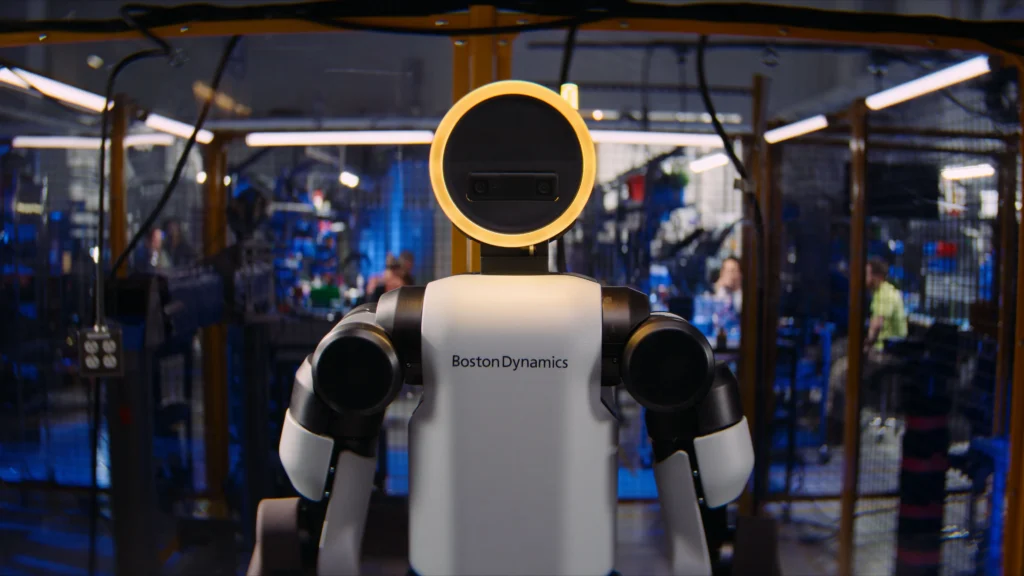
When people talk about humanoid robots, one name almost always comes up first: Boston Dynamics Atlas. This robot isn’t just famous among engineers or tech enthusiasts—it’s a global internet star. Videos of Atlas doing backflips, parkour, lifting heavy objects, or moving in ways that look almost human have gone viral again and again. But Atlas is more than just a cool demo robot. It represents years of research, trial and error, and a glimpse into what the future of robotics might actually look like.
The Origins of Atlas
Atlas was first introduced by Boston Dynamics in 2013. Back then, it was developed with funding from DARPA (the Defense Advanced Research Projects Agency) as part of a project focused on building robots that could assist in disaster response. The idea was simple but ambitious: create a humanoid robot that could move through environments designed for humans—climbing stairs, opening doors, and navigating rough terrain.
Early versions of Atlas were impressive for their time, but they were also bulky, loud, and powered by hydraulic systems that needed external support. Even so, Atlas already stood out because of its balance and mobility. While other humanoid robots struggled just to walk smoothly, Atlas could handle uneven ground and recover from pushes without falling over.
From Hydraulic to Electric: A Major Leap
One of the biggest turning points for Atlas came when Boston Dynamics transitioned the robot from hydraulic power to a fully electric system. This change made Atlas quieter, more energy-efficient, and much more practical for real-world applications. The electric Atlas also gained smoother movements and better control, which is crucial for tasks that require precision.
This shift wasn’t just a technical upgrade—it marked a new phase for Atlas. Instead of being a research prototype mainly used in labs, Atlas started to look like a robot that could actually work alongside humans in industrial environments.
Movement That Feels Almost Human
What really sets Atlas apart is how it moves. Watching Atlas walk, run, jump, or twist its body feels different from watching most robots. Its motions aren’t stiff or mechanical. Instead, they look fluid, reactive, and surprisingly natural.
This level of movement comes from advanced control systems, sensors, and AI-driven software. Atlas constantly processes data from its surroundings and adjusts its posture in real time. If it slips, it corrects itself. If it’s carrying something heavy, it shifts its weight just like a human would.
Boston Dynamics has also shown Atlas performing complex sequences, such as parkour routines where it jumps between platforms or flips over obstacles. These demos aren’t just for show—they highlight the robot’s ability to plan movements, understand physics, and execute actions with precision.
Atlas in the Workplace
In recent years, Boston Dynamics has been more open about its vision for Atlas in real-world jobs. The company has demonstrated Atlas working in mock factory settings, lifting and placing objects, organizing parts, and handling repetitive tasks.
The idea isn’t to replace human workers overnight, but to help with jobs that are physically demanding, repetitive, or potentially dangerous. Think about tasks that involve heavy lifting, awkward positions, or long hours of manual labor. Atlas could take on these roles, reducing injuries and freeing humans to focus on more creative or decision-based work.
Because Atlas is humanoid, it can operate in environments already designed for people. Unlike robots that need specially designed spaces, Atlas can use stairs, doorways, and tools without major changes to existing infrastructure.
The Role of AI and Machine Learning
Atlas isn’t just about hardware—it’s also a showcase for how AI and machine learning are transforming robotics. The robot uses computer vision to understand its surroundings, identify objects, and plan movements. Machine learning helps Atlas improve over time, refining how it balances, lifts, and interacts with the world.
Boston Dynamics combines traditional robotics engineering with modern AI techniques. This hybrid approach allows Atlas to perform reliably while still adapting to new situations. It’s one of the reasons Atlas feels less like a programmed machine and more like a responsive system.
Challenges and Limitations
Despite all the hype, Atlas isn’t perfect. It’s still a highly advanced and expensive piece of technology. Mass production is not yet a reality, and deploying Atlas widely would require significant investment.
There are also safety concerns. A powerful humanoid robot working around humans needs extremely reliable systems to avoid accidents. Boston Dynamics takes this seriously, focusing heavily on testing and control to ensure safe operation.
Another challenge is autonomy. While Atlas can perform impressive tasks, many demonstrations are still carefully controlled environments. True autonomy in unpredictable, real-world settings is one of the biggest hurdles in robotics, and it will take time to fully overcome.
Why Atlas Matters
Atlas matters because it changes how people think about robots. For a long time, humanoid robots felt like science fiction—cool ideas that were always “just around the corner.” Atlas makes that future feel much closer and more realistic.
It also sets a benchmark for the industry. Other companies developing humanoid robots are often compared to Boston Dynamics, and Atlas pushes everyone to aim higher. In this way, Atlas doesn’t just represent one company’s success—it helps drive innovation across the entire robotics field.
Looking Ahead
The future of Atlas is still being written. Boston Dynamics hasn’t released a commercial version yet, but the direction is clear. As AI improves, batteries get better, and costs come down, robots like Atlas could become a common sight in factories, warehouses, and maybe even construction sites.
Some people worry about robots taking jobs, while others see them as tools that can make work safer and more efficient. Either way, Atlas is a powerful symbol of where technology is heading. It shows what’s possible when cutting-edge engineering meets bold ideas.
Final Thoughts
Boston Dynamics Atlas isn’t just a robot—it’s a statement. It shows how far robotics has come and hints at what’s next. With its human-like movement, advanced AI, and growing focus on real-world applications, Atlas stands at the intersection of science, engineering, and imagination.
Whether you see it as a helpful coworker of the future or just an incredibly impressive machine, one thing is clear: Atlas has already left a huge mark on the world of technology, and its journey is far from over.