

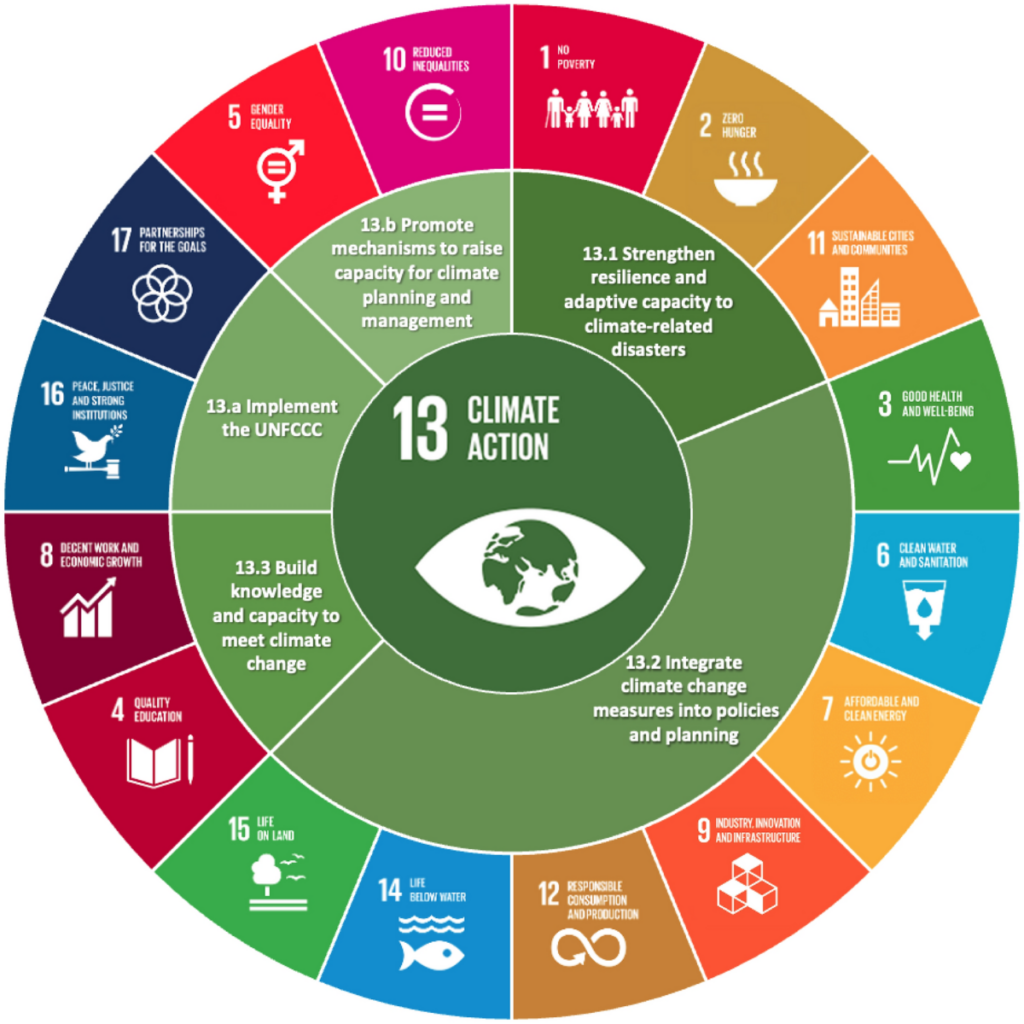
Climate change has become one of the defining global challenges of the 21st century. Rising temperatures, more frequent extreme weather events, sea level rise, biodiversity loss, and shifting weather patterns are affecting economies, ecosystems, and communities around the world. In response, governments, international organizations, businesses, and civil society have introduced a wide range of climate change policies aimed at reducing greenhouse gas emissions, strengthening climate resilience, and promoting sustainable development. In this context, it is important to consider how Climate Change Policies Influencing Global Sustainability Efforts shape action and progress on a worldwide scale.
Climate policies are no longer viewed solely as environmental measures. They have become central to economic planning, energy security, technological innovation, public health, and international cooperation. As countries pursue the transition toward low-carbon economies, climate-related policies are influencing investment decisions, industrial strategies, financial markets, and consumer behavior on a global scale.
Climate change policies consist of laws, regulations, economic incentives, international agreements, and voluntary initiatives designed to mitigate the causes of climate change while helping societies adapt to its impacts. These policies encourage cleaner energy production, sustainable transportation, efficient resource management, conservation of natural ecosystems, and technological innovation.
Global sustainability efforts increasingly depend on effective climate policies because environmental protection, economic growth, and social well-being are closely interconnected. While countries differ in their priorities and available resources, many share the common objective of reducing emissions while supporting long-term economic resilience.
Climate change policies operate at international, national, regional, and local levels. They establish frameworks that encourage governments, businesses, and individuals to reduce carbon emissions and adopt more sustainable practices.
These policies often combine regulatory requirements with financial incentives to accelerate the transition toward cleaner technologies and more sustainable economic systems.
International cooperation plays a critical role in addressing climate change because greenhouse gas emissions affect the entire planet regardless of where they originate. Global agreements establish shared goals while allowing individual countries to determine how they will achieve them.
Many nations have committed to reducing emissions, expanding renewable energy, and improving climate resilience through nationally determined strategies and long-term development plans.
One of the most influential climate policy areas involves expanding renewable energy sources such as solar, wind, hydroelectric, geothermal, and sustainable bioenergy. Governments use tax incentives, subsidies, renewable energy standards, and infrastructure investments to encourage clean energy deployment.
The declining cost of renewable technologies has accelerated adoption worldwide, making clean electricity increasingly competitive with conventional fossil fuel generation in many markets.
Carbon pricing encourages organizations to reduce emissions by assigning an economic cost to greenhouse gas pollution. Governments use various approaches, including carbon taxes and emissions trading systems, to create financial incentives for cleaner production methods.
By encouraging businesses to invest in energy efficiency and low-carbon technologies, carbon pricing aims to reduce emissions while supporting market-based innovation.
Improving energy efficiency remains one of the most cost-effective ways to reduce emissions. Governments establish standards for buildings, vehicles, household appliances, and industrial equipment to reduce overall energy consumption.
Energy-efficient technologies lower operating costs while reducing demand for electricity and fossil fuels.
The transportation sector contributes significantly to global greenhouse gas emissions. Governments are promoting cleaner transportation through investments in public transit, electric vehicles, cycling infrastructure, and alternative fuels.
Many countries have introduced incentives for electric vehicle adoption while expanding charging infrastructure and supporting research into low-emission transportation technologies.
Protecting forests, wetlands, mangroves, and other natural ecosystems plays an important role in climate mitigation and adaptation. Healthy ecosystems absorb carbon dioxide, support biodiversity, reduce flooding, and improve water quality.
Governments increasingly integrate ecosystem conservation into national climate strategies while encouraging sustainable land management practices.
Businesses are becoming increasingly important participants in climate action. Many organizations have established sustainability goals focused on reducing emissions, improving resource efficiency, and increasing transparency regarding environmental performance.
Corporate sustainability initiatives often include renewable energy investments, sustainable supply chains, waste reduction, water conservation, and responsible sourcing practices.
Achieving global climate goals requires substantial investment in clean technologies, resilient infrastructure, and sustainable development. Climate finance includes funding from governments, development institutions, private investors, and international organizations.
Green bonds, sustainability-linked loans, and environmental investment funds have become increasingly important sources of financing for climate-related projects.
Technological innovation continues to accelerate global sustainability efforts. Artificial intelligence, satellite monitoring, advanced batteries, carbon capture technologies, precision agriculture, and smart grids all contribute to more effective climate action.
Digital technologies improve environmental monitoring while enabling businesses and governments to optimize resource use and reduce emissions.
Several countries have significantly increased renewable electricity generation through long-term policy support, infrastructure investment, and private-sector participation. Expanding solar and wind capacity has reduced dependence on fossil fuels while creating new employment opportunities in manufacturing, construction, and maintenance.
These experiences demonstrate how consistent policy frameworks can encourage investment, stimulate innovation, and accelerate the transition toward cleaner energy systems.
Many cities have adopted climate action plans that include public transportation improvements, green building standards, energy-efficient street lighting, and expanded urban green spaces. These initiatives help reduce emissions while improving air quality and public health.
Integrated urban planning also increases resilience against flooding, heatwaves, and other climate-related risks.
Agricultural policies increasingly promote efficient irrigation, precision farming, soil conservation, and climate-resilient crop varieties. Farmers adopting sustainable practices often improve productivity while reducing environmental impacts and conserving natural resources.
Despite significant progress, implementing effective climate policies remains challenging. Countries differ in economic development, energy resources, industrial structures, and financial capacity, making policy coordination complex.
Balancing environmental objectives with economic growth, energy affordability, and social equity requires careful planning and long-term commitment.
Climate policies not only address environmental challenges but also create significant economic opportunities. Investments in renewable energy, clean manufacturing, energy efficiency, and sustainable infrastructure generate employment while supporting innovation and long-term competitiveness.
The coming decades are expected to bring continued advances in clean technologies, sustainable finance, digital innovation, and international climate cooperation. Governments are increasingly integrating climate objectives into broader economic development strategies.
Future sustainability efforts will likely emphasize resilient infrastructure, circular economy practices, biodiversity conservation, and low-carbon industrial development while encouraging collaboration between public and private sectors.
Long-term success depends on coordinated action across governments, businesses, financial institutions, and communities. Clear policy frameworks, investment in innovation, and public engagement can accelerate progress toward sustainability goals.
Climate change policies have become essential drivers of global sustainability efforts, influencing energy systems, transportation, agriculture, finance, urban development, and international cooperation. Through renewable energy expansion, carbon pricing, energy efficiency standards, sustainable transportation initiatives, and ecosystem conservation, governments and businesses are working to reduce emissions while building more resilient economies.
Although challenges remain—including financing, infrastructure development, policy coordination, and technological accessibility—the long-term outlook offers significant opportunities for innovation, economic growth, and environmental protection. Continued collaboration among governments, businesses, researchers, and communities will be essential for achieving a sustainable future that balances economic prosperity, social well-being, and environmental stewardship. By investing in forward-looking climate policies today, societies can strengthen resilience, support sustainable development, and create a healthier planet for future generations.