

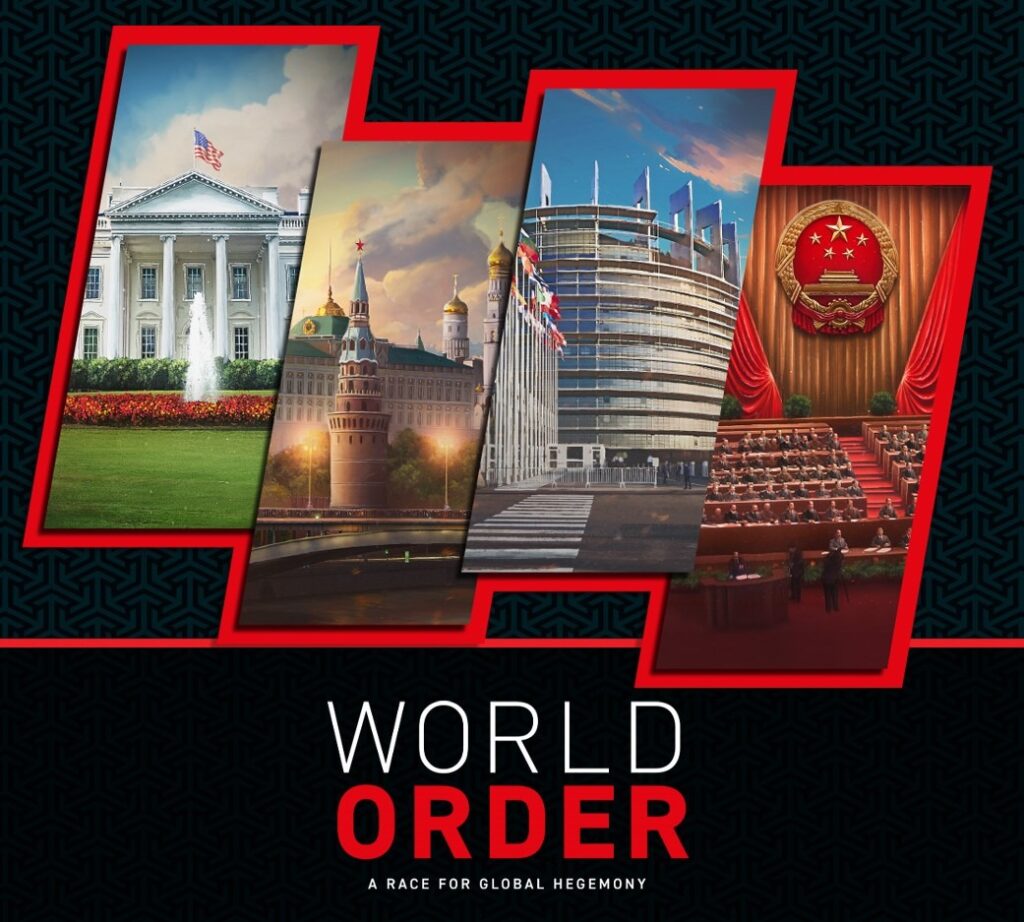
Major Diplomatic Negotiations Between Global Superpowers Today… Diplomacy remains one of the most important tools for maintaining international peace, promoting economic cooperation, and addressing global challenges in an increasingly interconnected world. While military capabilities and economic strength continue to shape international relations, modern diplomacy plays a central role in managing competition between global superpowers. Today, negotiations involving countries such as the United States, China, Russia, the European Union, India, and other influential nations affect international security, trade, climate policy, technology governance, energy markets, and regional stability.
The geopolitical landscape of the 21st century is characterized by strategic competition alongside deep economic interdependence. Even as disagreements arise over territorial disputes, cybersecurity, sanctions, trade policies, and military alliances, diplomatic dialogue remains essential for preventing escalation and finding areas of mutual interest. Recent years have demonstrated that sustained negotiations can reduce tensions, establish communication channels, and create frameworks for cooperation on shared global concerns.
This article explores the major diplomatic negotiations shaping international relations today, examining their significance, key participants, achievements, ongoing challenges, and potential implications for the future global order.
Diplomacy is the process through which states communicate, negotiate, and resolve disputes without resorting to armed conflict. In today’s interconnected world, successful diplomacy influences global economic stability, international security, humanitarian cooperation, technological development, and environmental sustainability.
Modern diplomacy serves several critical functions:
Even during periods of heightened geopolitical tension, diplomatic engagement provides opportunities for dialogue, crisis management, and confidence-building.
The international system has evolved considerably since the end of the Cold War. While the United States remains a leading global power, China’s economic and technological rise has reshaped international competition. Russia continues to play a significant role in global security matters, particularly through its military capabilities and influence in regional conflicts. Meanwhile, the European Union, India, Japan, and other emerging powers increasingly contribute to international diplomacy and multilateral governance.
This evolving balance has resulted in a more complex international environment where cooperation and competition often coexist. Countries frequently collaborate on issues such as climate change and public health while simultaneously competing in areas including technology, trade, military influence, and strategic infrastructure.
The relationship between the United States and China represents one of the most consequential diplomatic dynamics of the modern era. As the world’s two largest economies, both countries possess significant influence over global trade, finance, technology, and security.
Diplomatic discussions between the United States and China frequently address:
Although disagreements remain over several strategic issues, regular diplomatic engagement helps reduce misunderstandings and maintain channels for crisis communication.
Even during periods of heightened competition, both countries have participated in climate discussions because reducing greenhouse gas emissions requires cooperation among the world’s largest economies. This illustrates how nations can pursue shared objectives despite broader geopolitical differences.
Relations between the United States and Russia continue to be shaped by discussions surrounding strategic stability, regional conflicts, arms control, cybersecurity, and broader European security concerns.
Major diplomatic topics include:
Maintaining communication between major nuclear powers remains widely viewed as essential for reducing the risk of miscalculation during periods of heightened tension.
The European Union and China maintain extensive economic ties while also addressing differences related to trade practices, investment policies, technology, supply chain resilience, and environmental cooperation.
Diplomatic engagement focuses on balancing economic cooperation with strategic interests.
Important discussion areas include:
The relationship demonstrates how economic interdependence often requires continuous diplomatic engagement even when political perspectives differ.
India has emerged as an increasingly influential participant in global diplomacy due to its large economy, strategic geographic position, technological capabilities, and expanding international partnerships.
India actively engages with:
Its diplomatic strategy often emphasizes strategic autonomy while promoting economic growth, regional stability, and multilateral cooperation.
The Indo-Pacific region has become one of the world’s most strategically significant areas due to its major shipping routes, growing economies, technological industries, and security partnerships.
Diplomatic negotiations frequently address:
Countries continue pursuing dialogue aimed at maintaining regional stability while supporting economic development.
Climate change represents one of the few issues requiring cooperation among all major powers regardless of political differences.
International climate negotiations focus on:
Major economies collectively account for a substantial share of global greenhouse gas emissions, making coordinated action essential for achieving international climate objectives.
International trade remains a cornerstone of diplomatic relations. Negotiations seek to reduce barriers, improve market access, strengthen supply chains, and resolve commercial disputes.
Recent priorities include:
As economies become increasingly interconnected, trade diplomacy continues to influence global growth and investment.
Rapid technological advancement has introduced new diplomatic priorities. Governments increasingly negotiate policies involving artificial intelligence, cybersecurity, quantum computing, digital infrastructure, and semiconductor supply chains.
Technology diplomacy addresses:
These discussions aim to balance innovation, national security, economic competitiveness, and individual rights.
Cyber threats increasingly affect governments, businesses, healthcare systems, and critical infrastructure.
Diplomatic discussions seek to:
Although significant challenges remain, continued dialogue helps establish expectations regarding responsible conduct in cyberspace.
Energy continues to influence international diplomacy, particularly amid changing global energy markets and the transition toward cleaner technologies.
Negotiations often involve:
Stable energy cooperation supports both economic development and long-term sustainability goals.
The COVID-19 pandemic highlighted the importance of international cooperation in addressing global health emergencies. Governments collaborated through scientific research, vaccine development, public health coordination, and humanitarian assistance.
Although responses varied among countries, the pandemic reinforced the value of maintaining diplomatic communication during global crises.
Multilateral institutions continue providing forums where global powers negotiate complex international issues.
These organizations support dialogue on:
While member states often hold differing perspectives, multilateral diplomacy enables countries to pursue negotiated solutions to shared challenges.
Growing competition among major powers can complicate negotiations, particularly when national security interests intersect with economic and technological priorities.
Global supply chains create mutual dependencies that both encourage cooperation and increase the complexity of diplomatic negotiations.
Rapid innovation frequently outpaces international regulatory frameworks, requiring ongoing diplomatic efforts to develop shared approaches for emerging technologies.
Conflicts in various regions can influence broader diplomatic relationships among major powers, affecting negotiations across multiple policy areas.
Extreme weather events, migration pressures, food security concerns, and humanitarian emergencies increasingly require coordinated international responses.
Effective diplomacy contributes to global economic stability by reducing uncertainty, facilitating trade, encouraging investment, and supporting financial market confidence.
Potential economic benefits include:
Businesses often benefit from predictable international relationships that encourage long-term planning and cross-border cooperation.
Diplomatic engagement among global powers will likely continue evolving alongside emerging geopolitical, technological, and environmental challenges.
Future negotiations are expected to focus increasingly on:
Maintaining open communication channels will remain essential for managing competition while pursuing cooperation on issues affecting the international community.
Confidence-building measures play an important role in reducing misunderstandings among major powers. Regular diplomatic meetings, military communication mechanisms, scientific exchanges, economic dialogues, and cultural cooperation can help strengthen trust even during periods of disagreement.
Although diplomacy cannot eliminate all international disputes, sustained engagement provides opportunities to manage risks, negotiate practical solutions, and reduce the likelihood of unintended escalation.
Major diplomatic negotiations between today’s global superpowers shape the future of international politics, economic development, technological innovation, and global security. While strategic competition remains a defining characteristic of contemporary international relations, diplomacy continues to provide indispensable mechanisms for communication, conflict management, and cooperation. Discussions involving the United States, China, Russia, the European Union, India, and other influential actors increasingly extend beyond traditional security issues to encompass climate change, technology governance, trade, cybersecurity, energy security, and public health.
The complexity of today’s interconnected world means that no nation can effectively address many global challenges in isolation. Successful diplomacy requires sustained dialogue, mutual understanding, respect for international norms, and a willingness to identify areas of common interest despite broader differences. As geopolitical dynamics continue to evolve, effective diplomatic engagement will remain one of the most powerful tools for promoting stability, reducing conflict risks, supporting economic prosperity, and addressing shared global challenges in the decades ahead.