

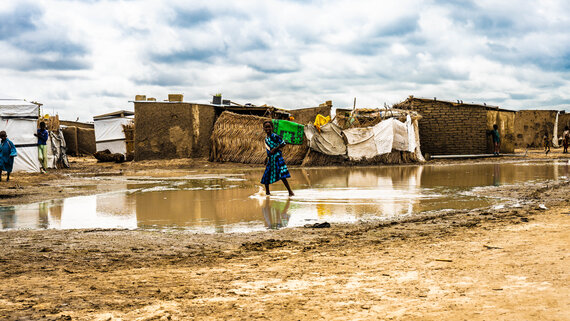
Natural disasters have long been a part of Earth’s dynamic system, shaping landscapes and influencing human societies. However, in recent decades, the scale, frequency, and intensity of these events have increased significantly, exacerbating humanitarian emergencies worldwide. Natural Disasters Worsening Humanitarian Emergencies Globally is an urgent issue that demands attention from the international community. From devastating earthquakes and hurricanes to prolonged droughts and catastrophic floods, natural disasters are no longer isolated incidents—they are catalysts that intensify existing vulnerabilities and create complex crises that stretch global response systems.
The intersection of climate change, population growth, urbanization, and socio-economic inequality has created a perfect storm. Communities that were once able to recover from disasters are now facing repeated shocks, leaving them trapped in cycles of crisis. This article explores how natural disasters are worsening humanitarian emergencies globally, supported by case studies, statistics, and insights into the challenges and solutions shaping the future.
Over the past few decades, there has been a noticeable increase in the number and severity of natural disasters. Scientific evidence strongly suggests that climate change is a major driver behind this trend. Warmer ocean temperatures fuel stronger storms, while rising global temperatures contribute to prolonged droughts and intense heatwaves.
According to global disaster databases, the number of recorded natural disasters has nearly doubled since the 1980s. This surge is not only due to better reporting but also reflects real increases in extreme weather events.
These trends are placing immense pressure on vulnerable populations, particularly in low- and middle-income countries where disaster preparedness and response systems are often limited.
Humanitarian emergencies arise when events overwhelm a community’s ability to cope, requiring external assistance. Natural disasters are increasingly triggering such emergencies, often compounding existing issues like poverty, conflict, and weak governance.
Today, millions of people are affected by disasters each year, with many requiring urgent humanitarian assistance. The global humanitarian system is struggling to keep pace with the growing demand for aid.
The increasing complexity of these emergencies means that responses must go beyond immediate relief to address long-term recovery and resilience.
Climate change is often described as a “threat multiplier” because it exacerbates existing vulnerabilities and risks. Rising sea levels, changing precipitation patterns, and more frequent extreme weather events are reshaping the global risk landscape.
For example, coastal communities are facing increased flooding due to sea-level rise combined with storm surges. Similarly, agricultural regions are experiencing unpredictable rainfall, leading to crop failures and food shortages.
The impacts of climate change are not evenly distributed. Developing countries, which contribute the least to global greenhouse gas emissions, are often the most affected. This inequality highlights the urgent need for climate justice and equitable adaptation strategies.
Southeast Asia is highly vulnerable to tropical cyclones, which have become more intense due to warming ocean temperatures. Countries like the Philippines, Indonesia, and Bangladesh frequently experience devastating storms that cause widespread destruction.
One notable example is a powerful cyclone that struck the region, displacing millions of people and causing billions of dollars in damage. The storm destroyed homes, infrastructure, and livelihoods, leaving communities dependent on humanitarian aid.
This case highlights how natural disasters can quickly escalate into humanitarian crises, particularly in densely populated and economically vulnerable regions.
The Horn of Africa has been experiencing one of the worst droughts in decades, driven by changing climate patterns. Consecutive failed rainy seasons have devastated crops and livestock, pushing millions to the brink of famine.
Countries like Somalia, Ethiopia, and Kenya are facing severe food insecurity, with humanitarian agencies struggling to provide adequate assistance.
This situation demonstrates how slow-onset disasters like drought can be just as devastating as sudden events, with long-lasting impacts on communities.
Rapid urbanization is another factor contributing to worsening humanitarian emergencies. As more people move to cities, many end up living in informal settlements that are highly vulnerable to disasters.
These areas often lack proper infrastructure, making them susceptible to flooding, landslides, and other hazards. When disasters strike, the impact is amplified due to high population density and limited access to services.
Addressing urban disaster risk requires integrated planning and investment in resilient infrastructure.
In many parts of the world, natural disasters occur in regions already affected by conflict and political instability. This combination creates complex emergencies that are particularly challenging to manage.
Conflict weakens institutions, disrupts services, and limits access for humanitarian organizations. When disasters strike in such contexts, the consequences are often severe and prolonged.
These overlapping crises require coordinated responses that address both immediate needs and underlying causes.
Natural disasters have significant economic consequences, particularly for developing countries. The cost of rebuilding infrastructure, providing aid, and restoring livelihoods can be overwhelming.
Wealthier nations often have the resources to recover quickly, while poorer countries face prolonged setbacks. This disparity exacerbates global inequality and hinders development progress.
Investing in disaster risk reduction and resilience can help mitigate these economic impacts and promote sustainable development.
While the challenges are immense, there are opportunities to reduce the impact of natural disasters on humanitarian emergencies. Building resilience and improving preparedness are key strategies.
Governments, international organizations, and communities must work together to develop systems that can withstand and recover from disasters.
Innovative approaches, such as using technology for disaster monitoring and response, are also playing a crucial role in enhancing resilience.
Addressing the global challenge of natural disasters and humanitarian emergencies requires strong international cooperation. No single country can להתמודד these issues alone.
Global frameworks and agreements aim to coordinate efforts, share resources, and support vulnerable nations. However, funding gaps and political challenges often limit their effectiveness.
Strengthening international collaboration is critical to ensuring timely and effective responses to disasters.
Natural disasters are no longer isolated events—they are powerful forces that are intensifying humanitarian emergencies across the globe. Driven by climate change, urbanization, and socio-economic inequalities, these disasters are creating complex crises that challenge traditional response systems.
The evidence is clear: without significant action, the scale and severity of these emergencies will continue to grow. However, there is also hope. By investing in resilience, strengthening preparedness, and fostering international cooperation, it is possible to reduce the impact of disasters and protect vulnerable communities.
The path forward requires a collective effort from governments, organizations, and individuals. Understanding the interconnected nature of natural disasters and humanitarian emergencies is the first step toward building a more resilient and equitable world.