

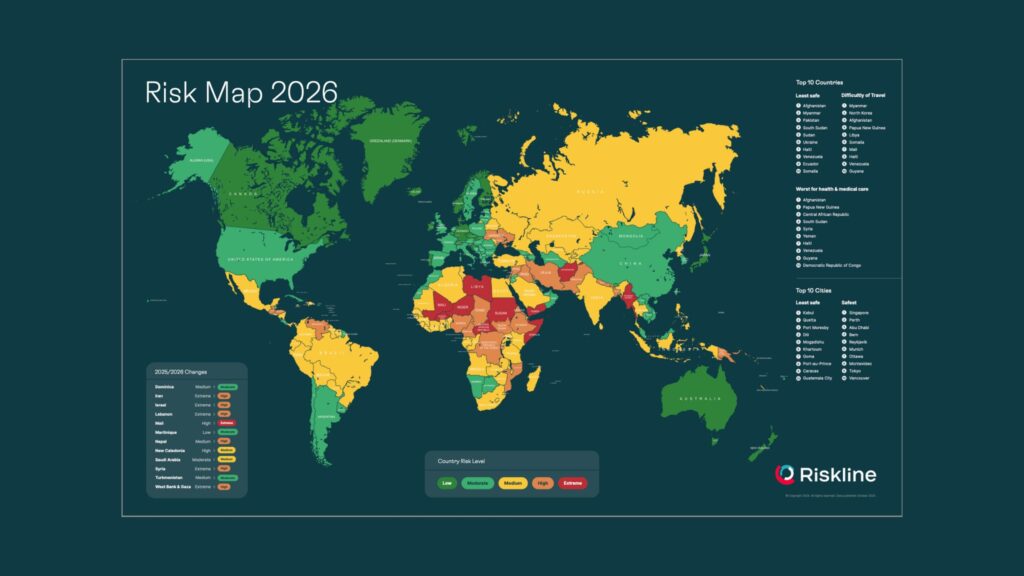
As of 2026, the global geopolitical landscape is marked by a complex web of tensions, rivalries, and shifting alliances. The current State of Global Geopolitical Tensions in 2026 is defined by great power competition, regional conflicts, and emerging threats in cyberspace and space, with these geopolitical tensions reshaping international relations in profound ways.
This article provides a comprehensive analysis of the current state of global geopolitical tensions in 2026. It explores key conflict zones, the role of major powers, economic and technological rivalries, and the implications for global stability. By examining real-world developments, trends, and data, we aim to provide valuable insights into one of the most critical issues facing humanity today.
One of the defining features of the current geopolitical environment is the resurgence of great power competition. The post-Cold War era of relative unipolarity has given way to a multipolar world, where major powers are competing for influence across political, economic, and military domains.
The United States, China, and Russia remain at the center of this competition, each pursuing distinct strategic objectives. This rivalry is not limited to traditional military power but extends to technology, trade, and global governance.
This renewed competition has led to increased tensions, particularly in regions where the interests of these powers intersect.
The conflict between Russia and Ukraine remains one of the most significant geopolitical crises in 2026. What began as a regional conflict has evolved into a broader confrontation involving multiple international actors.
The war has had far-reaching consequences, affecting global energy markets, food security, and international alliances. Sanctions imposed on Russia have reshaped trade patterns, while military support for Ukraine has strengthened transatlantic cooperation.
The conflict underscores the interconnected nature of modern geopolitics, where regional wars can have global repercussions.
The Indo-Pacific region has emerged as a מרכז of geopolitical tension, driven largely by the rise of China and its strategic ambitions. Disputes over territory, trade, and military presence are contributing to an increasingly volatile environment.
Tensions in the South China Sea and around Taiwan are particularly significant. China’s assertive actions have raised concerns among neighboring countries and prompted responses from the United States and its allies.
The Indo-Pacific is likely to remain a focal point of global geopolitics in the coming years.
The Middle East continues to experience significant geopolitical tensions, characterized by ongoing conflicts, proxy wars, and shifting alliances. While some efforts toward normalization have been made, underlying issues remain unresolved.
Key areas of concern include tensions involving Iran, conflicts in countries like Yemen and Syria, and the evolving relationship between regional powers.
The region’s أهمية in global energy supply ensures that its stability remains a critical concern for the international community.
Geopolitical tensions in 2026 are not limited to military conflicts; economic rivalries play an equally important role. Trade wars, sanctions, and competition for resources are reshaping the global economic landscape.
The decoupling of major economies, particularly between the United States and China, has led to significant changes in supply chains and trade patterns.
These economic tensions have implications for global growth and development, affecting both developed and developing countries.
Technology has become a central arena for geopolitical competition. Cyber warfare, in particular, has emerged as a significant threat, with state and non-state actors engaging in cyberattacks targeting critical infrastructure, governments, and private organizations.
In addition to cyber threats, competition in areas such as artificial intelligence, quantum computing, and space technology is intensifying.
The lack of comprehensive international regulations in cyberspace adds to the complexity of managing these tensions.
Climate change is increasingly recognized as a factor that exacerbates geopolitical tensions. Resource scarcity, displacement, and environmental degradation are contributing to conflicts and instability.
Regions already facing political or economic challenges are particularly vulnerable to climate-related risks.
Addressing climate change requires international cooperation, but geopolitical tensions often hinder collective action.
The shifting geopolitical landscape has led to changes in global alliances and partnerships. Countries are reevaluating their strategic relationships to adapt to new realities.
Traditional alliances are being strengthened, while new groupings are emerging to address specific challenges.
These realignments reflect the پیچیدہ and dynamic nature of global geopolitics in 2026.
International organizations play a crucial role in managing geopolitical tensions and promoting stability. Institutions such as the United Nations and regional bodies are involved in diplomacy, peacekeeping, and humanitarian efforts.
However, their effectiveness is often محدود by political اختلافات among member states.
Strengthening these institutions is essential for addressing the challenges of a multipolar world.
The current state of geopolitical tensions has significant implications for global stability. The risk of escalation, سواء through military confrontation or economic conflict, remains a major concern.
At the same time, interconnected challenges such as climate change, pandemics, and technological disruption require cooperation, highlighting the tension between competition and collaboration.
Balancing these competing dynamics is one of the defining challenges of our time.
The global geopolitical landscape in 2026 is characterized by complexity, uncertainty, and تحول. From great power competition and regional conflicts to economic rivalries and technological battles, the world is navigating a فترة of significant change.
While tensions are high, there are also opportunities for الحوار, cooperation, and innovation. Addressing global challenges requires a مشتركة effort that transcends national interests and focuses on collective well-being.
Ultimately, the future of global geopolitics will depend on the ability of nations to manage competition responsibly, resolve conflicts peacefully, and work together to address shared challenges. Understanding the current state of tensions is a critical step toward building a more stable and secure world.