

In a surprising twist on the global political stage, U.S. President Donald Trump backed down from his threat to impose tariffs on European allies over their stance on Greenland. What began as a bold, headline-grabbing rhetoric turned into a swift reversal—sparking reactions from world leaders, financial markets, and everyday people alike. Here’s a straightforward breakdown of what’s going on without too much political jargon.
Earlier this month, Trump stirred up controversy by pushing for U.S. influence—or even control—over Greenland, a large Arctic territory that is officially part of the Kingdom of Denmark. He portrayed the island as an important piece of the geopolitical puzzle, especially when it comes to national security and countering global rivals like Russia and China. In his push, Trump threatened to impose tariffs on several European countries that didn’t go along with his Greenland ambitions.
Tariffs are basically extra taxes on imported goods. Trump said he would start with a 10% tariff on imports from countries like Denmark, France, Germany, the United Kingdom, Norway, Sweden, the Netherlands, and Finland starting February 1, and rising to 25% later in the year. This wasn’t just a trade dispute; it risked shaking up long-standing alliances, especially within NATO.
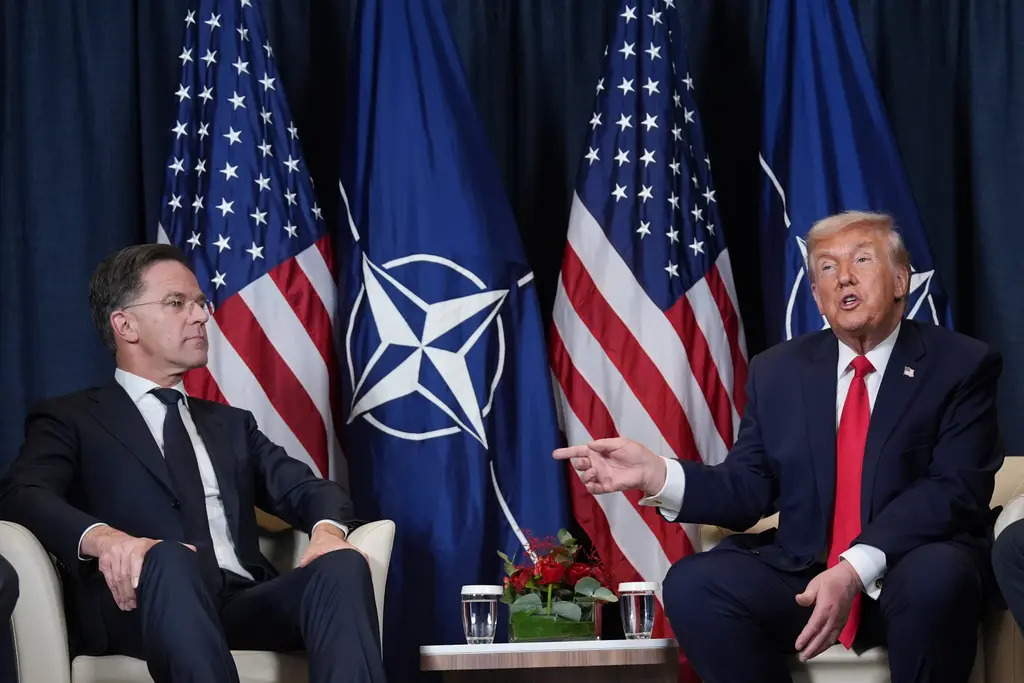
But then, in a dramatic turn of events during the World Economic Forum in Davos, Switzerland, Trump suddenly announced he would not go through with the planned tariffs. Instead, he said he and NATO Secretary-General Mark Rutte had reached what he called a “framework of a future deal” related to Greenland and the broader Arctic region.
Trump posted on his social media platform that “Based upon this understanding, I will not be imposing the tariffs that were scheduled to go into effect on February 1st.”
The word framework here is key—because the U.S. president didn’t actually announce a full, detailed agreement. Instead, he described it as a vague outline of a future deal that, presumably, could address some of his goals without forcing a trade war or risking deeper diplomatic fallout.
What exactly is in this “framework”? That’s the big question. Trump said the deal would be “a great one” for the United States and NATO allies if it is “consummated,” but he offered few details. Some observers think it may involve cooperation on Arctic security, potentially including a bigger role for the U.S. military in Greenland or expanded cooperation to prevent Russia and China from gaining influence there.
Even Danish officials, whose country actually governs Greenland, have been clear that Greenland is not for sale and will remain part of Denmark. They welcomed that the U.S. backed off on tariffs and force, but reiterated that discussions must respect Danish sovereignty.
So in practical terms, Trump’s backdown means:
No tariffs—at least for now.
A somewhat vague agreement in principle about future talks on Arctic issues.
Continued tension on questions of national interest and territorial respect.
This wasn’t just a minor trade story. Trump’s initial tariff threat rattled markets and policymakers around the world. Financial markets initially fell when the tariff threat loomed, but then surged after Trump backed down. For example, the Dow Jones and other major stock indexes climbed sharply once it became clear that a transatlantic trade conflict might be averted.
Countries in Europe also reacted strongly when the tariff threat first emerged. Some even threatened their own trade responses, including the possibility of European tariffs in retaliation. While those haven’t materialized yet, the initial rhetoric strained trade relationships and trust among close allies.
There were protests too — particularly in Denmark and Greenland — with residents voicing strong opposition to the idea of handing over Greenland to the U.S. community movements like Hands off Greenland saw thousands turning out to defend sovereignty and identity.
One thing that stands out in this whole saga is how Trump’s style influences global reactions. He often uses bold statements and hardline language to try to gain leverage. In this case, his initial talk of tariffs and the possibility—even if vague—of broader U.S. influence in Greenland raised eyebrows among allies. Critics accused him of using coercive tactics that threatened the unity of NATO.
Trump even went so far as to say the U.S. wouldn’t need force to get Greenland, but that the country still wanted it and believed in its strategic value. That kind of comment makes headlines, but it also complicates diplomatic efforts because leaders are often trying to balance national security goals with maintaining strong alliances.
Here’s where the story gets a bit speculative. Since Trump didn’t lay out a full deal, everything depends on future negotiations. Denmark, Greenland, NATO countries, and the U.S. will still need to nail down specifics if any “framework” is to amount to a real agreement.
At the same time, European leaders are likely to watch closely to make sure this doesn’t become a recurring pattern. International diplomacy relies on predictability and trust—something that sudden threats of tariffs can undermine.
And from a U.S. perspective, Trump’s supporters might see this as a victory: he backed down only after securing an acknowledgment of U.S. interests, while critics might see it as a retreat under pressure from allies and the realities of global politics.
So, what’s the bottom line?
Tariffs are off the table—for now. Trump said he won’t impose them as planned after claiming a future deal framework has been formed.
There’s no clear blueprint yet for what happens with Greenland. While Trump talks about Arctic security, details remain fuzzy.
Allies breathed a sigh of relief. European governments reacted positively to the cancellation of tariffs, even as they maintain their stance on sovereignty.
Markets reacted positively. Financial markets climbed after risk aversion eased following Trump’s announcement.
Whether this episode becomes a footnote or a turning point in U.S.–Europe relations remains to be seen, but for now, it’s a fascinating look at how bold diplomacy, political theatre, and economic threats can intersect on the global stage.