

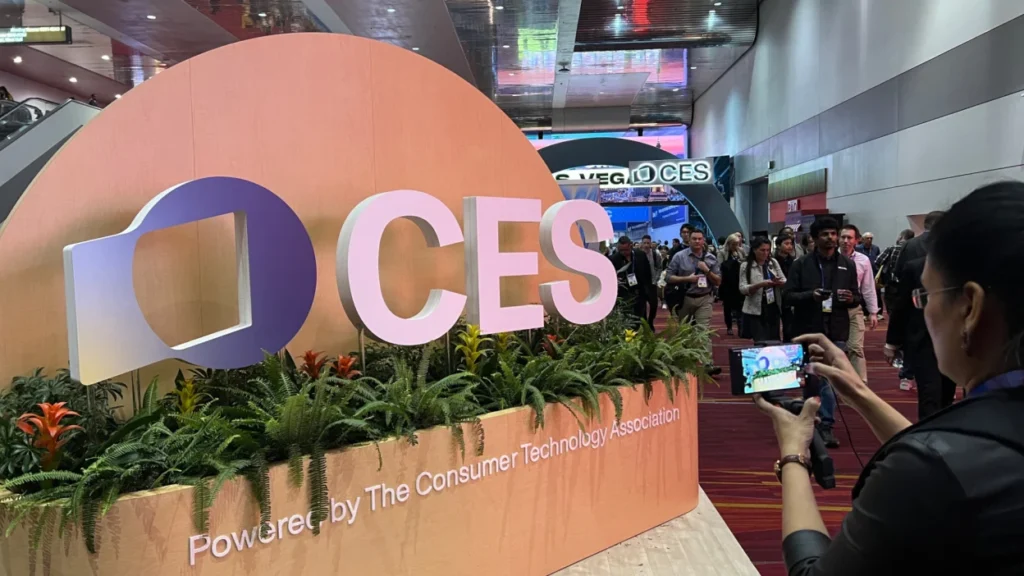
Every January, the tech world packs its bags and heads to Las Vegas for one big question: what’s next? CES 2026 didn’t just answer that question — it showed that the future we’ve been talking about for years is finally becoming part of everyday life. From smarter AI everywhere to cars that feel more like rolling computers, CES 2026 was less about flashy concepts and more about tech that’s actually ready to be used.
This year’s event felt more practical, more mature, and surprisingly more human.
AI Is No Longer a Feature, It’s the Foundation
If CES 2025 was about introducing AI to everything, CES 2026 was about proving it belongs there. Artificial intelligence wasn’t just a headline feature anymore — it was deeply built into products across almost every category.
Smartphones, laptops, TVs, home appliances, and even bathroom gadgets showed off AI that learns habits, adapts to routines, and makes decisions without constant user input. Instead of asking devices to do things, many of them now act before you even think about it. Lights adjust based on mood and time of day, TVs tweak picture settings depending on content, and laptops manage power and performance automatically.
What stood out most was the shift toward on-device AI. Big tech companies pushed hard on privacy-focused processing, meaning more AI tasks now run directly on hardware instead of relying on the cloud. That’s faster, more secure, and way more reliable — especially for users who don’t want everything uploaded online.
Smart Homes That Actually Feel Smart
For years, smart homes promised convenience but often delivered confusion. CES 2026 showed that the industry is finally fixing that problem.
Thanks to better standards and wider adoption of Matter, devices from different brands now work together more smoothly. At CES, smart home demos didn’t feel staged anymore. Lights, speakers, security systems, and appliances communicated naturally, responding to voice, movement, or even silence.
AI-powered home hubs became the brain of the household, learning daily patterns like when residents wake up, leave for work, or relax in the evening. Instead of dozens of apps, users can rely on a single interface that just works. It’s less about controlling your home and more about letting your home take care of you.
Energy efficiency also took center stage. Smart thermostats, solar integrations, and AI-driven energy management systems aim to cut costs while reducing environmental impact — something that’s becoming more important every year.
Cars Are Becoming Software Platforms
The automotive presence at CES 2026 was massive, and it was clear that cars are no longer just about engines and design. They’re becoming fully connected digital platforms.
Electric vehicles dominated the show floor, but the real story was what’s inside them. Large curved displays, AI copilots, and advanced driver-assistance systems made modern cars feel closer to smartphones on wheels. Voice assistants now handle navigation, climate control, and entertainment in a more natural, conversational way.
Some manufacturers showcased autonomous driving improvements, focusing less on full self-driving hype and more on real-world safety features. Lane assistance, predictive braking, and driver monitoring systems felt more refined and trustworthy.
Interestingly, software updates were a big talking point. Car brands emphasized over-the-air updates that add new features long after purchase, changing how people think about vehicle ownership.
Displays, Gaming, and Entertainment Get a Serious Upgrade
CES has always been a playground for display technology, and 2026 didn’t disappoint. TVs are bigger, brighter, and smarter, but also more efficient. OLED and MicroLED technologies continued to evolve, delivering better contrast, higher brightness, and longer lifespans.
Gaming monitors stole a lot of attention, especially with ultra-high refresh rates, near-zero latency, and AI-enhanced visuals. These displays aren’t just for hardcore gamers anymore — content creators and professionals are clearly part of the target audience.
Entertainment overall became more personalized. Streaming platforms, sound systems, and TVs now use AI to recommend content based not only on viewing history, but also mood, time of day, and even who’s in the room.
Wearables Go Beyond Fitness
Wearable tech at CES 2026 moved far beyond step counting and heart rate tracking. Smart rings, glasses, and next-gen smartwatches focused heavily on health insights and daily productivity.
Many devices now offer stress monitoring, sleep quality analysis, and long-term wellness tracking powered by AI. The goal isn’t just collecting data, but turning it into actionable advice — like when to rest, move, or focus.
Smart glasses also made a strong comeback. Lighter designs, better battery life, and useful real-world features like live translation and navigation hints made them feel less like sci-fi and more like something people might actually wear every day.
Sustainability Is No Longer Optional
One of the most encouraging themes at CES 2026 was sustainability. Tech companies didn’t just talk about it — they showed real progress.
From recycled materials in devices to energy-efficient chips and longer product lifecycles, sustainability became a core selling point. Some brands even showcased modular designs that allow users to replace parts instead of entire devices, reducing electronic waste.
AI also played a role here, helping optimize manufacturing processes, logistics, and energy consumption. It’s clear that green tech is no longer a niche category — it’s becoming standard.
What CES 2026 Really Tells Us
CES 2026 wasn’t about wild promises or distant futures. It was about refinement. The technology we’ve been hearing about for years is finally becoming reliable, useful, and integrated into daily life.
AI is everywhere, but it feels quieter and more helpful. Smart devices are less frustrating. Cars are safer and smarter. And sustainability is no longer an afterthought.
If there’s one takeaway from CES 2026, it’s this: the future isn’t coming — it’s already here, and it’s starting to feel normal.