

As of April 2026, the link between climate change and human survival has moved from a warning to a daily reality. Climate Change is Intensifying Global Food and Water Insecurity, a crisis that affects us all. The world is now seeing a fast breakdown of our two most basic resources: food and water. While these two pillars have always been linked, today’s climate shifts are creating a loop that threatens to undo years of progress in health and poverty reduction.
The “Silent Emergency” of scarce resources is no longer silent. From drying wells in the American West to parched farms in Central Asia, the proof is clear. The water cycle is changing, and our farms are struggling to keep up. This article looks at how rising heat and strange weather are breaking food systems and drying up taps. We will also explore the human and political results of these shifts.
Climate change is, at its heart, a break in the water cycle. As the air warms, it holds more moisture—about 7% more for every 1°C of warming. This creates a “rich-get-richer, poor-get-poorer” pattern. Wet areas face more intense floods, while dry regions suffer through longer, deeper droughts.
In 2026, we are seeing the scary loss of “fossil water” in underground wells. These are pools that take thousands of years to refill. In places like India and Mexico, farmers pump groundwater faster than rain can replace it. This happens because rivers and lakes have become unreliable. This creates a “water debt.” When the water runs out, farms collapse instantly. Recent reports show that over 3 billion people now live in areas where water stress is a top priority.
The global food system was built on steady weather that no longer exists. Major “breadbaskets”—the regions that grow most of the world’s wheat, corn, and rice—are under extreme heat stress. In 2025, a massive heatwave caused a 15% drop in wheat exports, proving how risky it is to rely on just a few regions.
It is not just the total heat that kills crops; it is the timing. If extreme heat hits while a grain is flowering, the plant can become sterile. This leads to a total loss of the crop. Also, climate change is helping pests and diseases move to new areas. In 2026, locust swarms and fungi have reached new heights, attacking crops that have no way to fight back.
While we focus on land, “blue foods”—fish and sea plants—are the main protein source for over 3 billion people. The oceans have soaked up about 90% of the extra heat from carbon emissions. They have also taken in 30% of the CO2, which leads to ocean acidification.
This acid makes it hard for sea life like oysters and crabs to build their shells. In 2026, we see fish moving toward the North and South Poles to find cool water. For countries near the equator, this means their fishing spots are becoming empty. Studies in the Philippines show a 20% drop in local fish catches, which has led to more hunger in children living near the coast.
Food trouble is often about moving food, not just growing it. Climate change breaks the roads and ports needed to move food from one place to another. In early 2026, low water in the Panama Canal and the Rhine River forced ships to carry less weight. This hiked the price of grain by 12% in just two months.
Extreme storms and floods also destroy warehouses and rural roads. When a huge flood hits a place like Pakistan, it doesn’t just ruin the current meal. It wipes out the seeds saved for next year and the silos used to store food. This “weather tax” keeps food prices high and unsteady.
History shows that while a lack of water can make nations work together, it is often a “threat multiplier” for war. In 2026, tension over rivers that cross borders has reached a peak. Countries upstream are building dams to save water for themselves, which leaves those downstream with very little.
The Nile and the Mekong rivers are currently spots of high drama. When a country downstream faces hunger and sees its neighbor blocking the water, it becomes a national security threat. Experts now use the term “Hydro-hegemony” to describe how powerful nations use water to bully their neighbors.
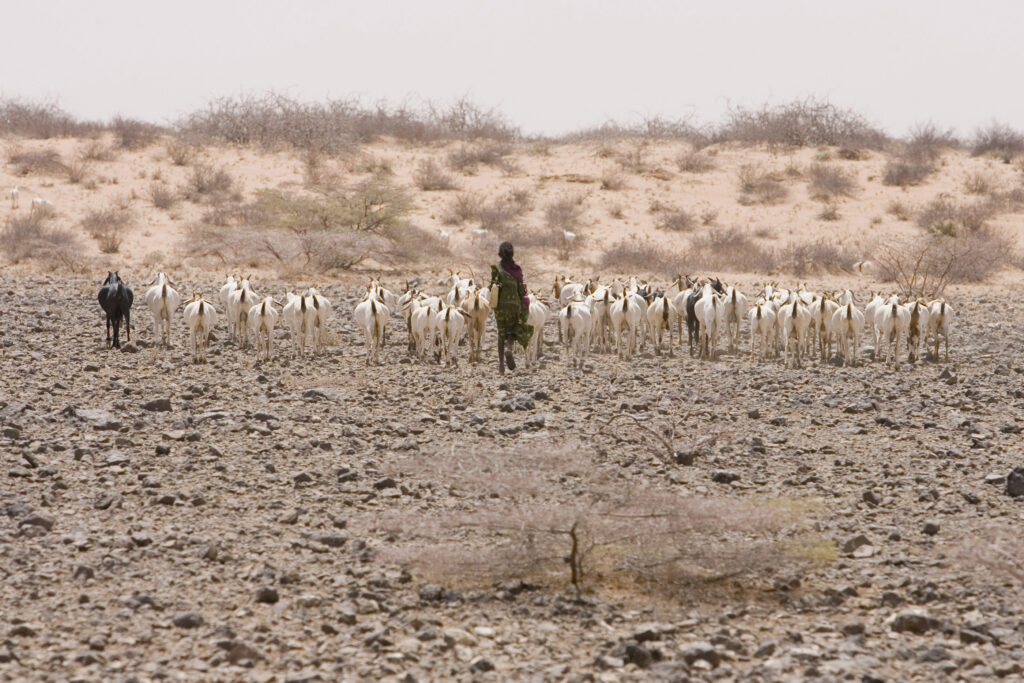
The crisis in the Horn of Africa from 2024 to 2026 shows what happens when we aren’t ready for climate change. After five rainy seasons failed in a row, the region faced its worst food crisis in 40 years.
The results were terrible: over 13 million farm animals died. This destroyed the wealth and food for local families. Millions of people had to leave their homes to find help in camps. This shows that food trouble isn’t just about calories. It is about the total collapse of a way of life. Recovery is slow because once the soil and animals are gone, it takes years to start over.
The weight of food and water trouble is not shared equally. In many countries, women and girls do 70% of the work to collect water and grow food. As wells dry up, women must walk much further—sometimes 10 kilometers more per day. This leaves no time for school or jobs.
When food is low, mothers often skip meals to feed their children. Data from 2025 shows that in stressed areas, many more women suffer from poor health. By 2026, groups are realizing that solutions must focus on women, as they manage the household but often have the fewest rights.
One of the clearest signs of the crisis is the movement of people. In 2026, the term “Climate Refugee” is a major topic in law. When land cannot be farmed and water is gone, people move to survive.
Projections suggest that by 2050, over 200 million people could be forced to move within their own countries. This puts huge pressure on cities, leading to more slums and crowded areas. This creates a new problem: as farms produce less, city demand goes up. This often leads to protests and the fall of governments.
As things get worse, the world is using tech to fill the gap. In 2026, we see more “Climate-Smart Agriculture.” This includes seeds that can handle drought and AI that predicts the weather to help farmers plant at the right time.
Turning salt water into fresh water (desalination) is also growing in cities. But these tools use a lot of energy and cost a lot of money. The “Desalination Paradox” is that the power used to make water often comes from fossil fuels. This fuels the very climate change that caused the water lack in the first place.
Food and water trouble are massive drains on the world’s money. In 2025, the global economy lost about $2.3 trillion due to farm breaks. When food prices go up, people spend less on other things, which slows down the whole world.
Insurance companies in 2026 are now refusing to cover farms in “high-risk” zones. This makes it impossible for farmers to get loans for seeds. This “gap” is pushing thousands of families into poverty. The world is learning that there is no business on a planet that cannot feed itself.
The rise of food and water insecurity is the biggest challenge of 2026. We are no longer in a time of slow change; we are in a time of “shocks.”
The way forward requires a shift from “fixing problems” to “being ready.” We must invest in better water systems, eat a wider variety of foods, and share new tech with everyone. If we don’t fix the link between our climate and our food, the crisis will only grow.