

Future Consumer Technology Changing Everyday Digital Lifestyles… Consumer technology is entering a new era where digital experiences are becoming more intelligent, personalized, connected, and integrated into everyday life. Over the past two decades, smartphones, cloud computing, social media, and streaming platforms have dramatically changed how people communicate, work, shop, and entertain themselves. The next wave of consumer technology will go even further, blending artificial intelligence, augmented reality, smart devices, robotics, biotechnology, and connected ecosystems into daily routines.
The future of digital lifestyles will not simply involve owning more devices. Instead, technology will become increasingly invisible, adaptive, and responsive. Smart systems will anticipate user needs, automate repetitive tasks, and provide personalized experiences across homes, workplaces, transportation systems, and personal health environments.
From AI-powered personal assistants and intelligent homes to wearable health technology and immersive virtual experiences, future consumer technology will redefine the relationship between humans and digital systems. These innovations promise greater convenience and efficiency, but they also raise important questions about privacy, security, accessibility, and the role of technology in human life.
Consumer technology has evolved through several major phases. The personal computer era introduced digital productivity tools, the internet connected people globally, and smartphones transformed computing into a mobile experience. Today, technology is moving toward an era of ambient intelligence, where digital systems operate continuously in the background.
Several trends are driving this transformation:
Research organizations have projected continued growth in global technology spending, with artificial intelligence, connected devices, and digital services among the fastest-growing areas. These trends indicate that future consumer technology will become a fundamental part of daily living rather than a separate category of products.
Artificial intelligence is expected to become one of the most influential technologies shaping consumer lifestyles. Instead of interacting with technology through fixed commands, users will increasingly communicate with intelligent systems through natural conversation.
AI-powered assistants are evolving beyond simple voice commands. Future systems will understand context, remember preferences, predict needs, and coordinate multiple digital tasks.
Companies such as OpenAI and other technology innovators are developing AI systems that demonstrate how conversational intelligence can become a central part of consumer technology.
The future of AI will likely involve a shift from users actively searching for information to technology proactively delivering relevant assistance at the right moment.
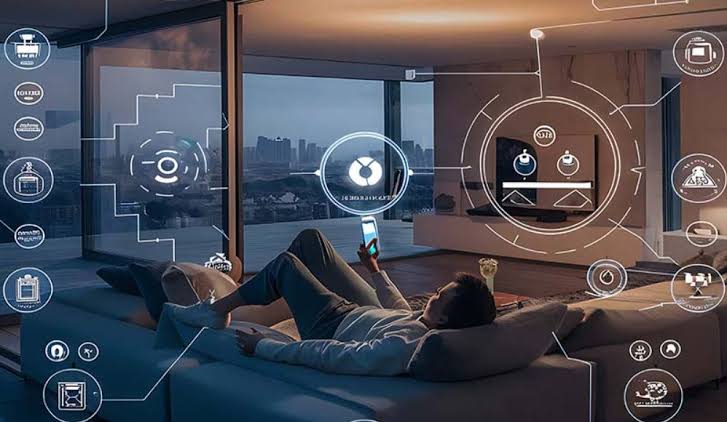
Smart home technology has already introduced connected lights, thermostats, security cameras, and voice-controlled devices. However, future smart homes will become much more advanced by combining artificial intelligence, sensors, automation, and energy management systems.
Instead of controlling individual devices manually, homeowners will interact with an integrated environment that understands routines and preferences.
Companies developing connected home ecosystems are moving toward a future where homes function as intelligent environments rather than collections of separate devices.
Wearable technology is transforming healthcare by allowing individuals to monitor their health continuously. Smartwatches and fitness trackers already measure activity levels, heart rate, sleep patterns, and other health indicators. Future devices will provide even deeper insights.
The growth of consumer health technology represents a shift from reactive healthcare toward preventive and personalized wellness management.
The global wearable technology market has experienced rapid growth as consumers increasingly prioritize health awareness and preventive care. This trend is expected to continue as devices become smaller, more accurate, and more integrated into everyday routines.
Augmented reality (AR) and virtual reality (VR) technologies are expected to reshape how people interact with digital content. Rather than viewing information through flat screens, future consumers may experience digital elements integrated into their physical surroundings.
AR overlays digital information onto the real world, while VR creates fully immersive digital environments. Together, these technologies could transform entertainment, shopping, education, and communication.
Companies such as Meta Platforms are investing heavily in immersive computing technologies, highlighting the growing importance of virtual environments in future digital lifestyles.
Transportation is becoming increasingly connected through artificial intelligence, electric vehicles, and autonomous systems. Future consumer technology will change not only how people travel but also how they experience mobility.
Connected vehicles will communicate with infrastructure, analyze road conditions, and provide personalized experiences for passengers.
The transition toward intelligent transportation demonstrates how future consumer technology will connect different aspects of daily life into unified digital ecosystems.
Shopping experiences are expected to become increasingly personalized as artificial intelligence, data analytics, and immersive technologies develop.
Traditional online shopping relies heavily on search and browsing. Future commerce systems will become more proactive, helping consumers discover products based on needs, preferences, and lifestyle patterns.
Retail companies are increasingly investing in artificial intelligence and automation because consumer expectations continue to shift toward convenience and personalization.
Robotics has traditionally been associated with factories and industrial environments, but advances in artificial intelligence are bringing robots into homes and personal spaces.
As AI improves, robots are likely to become more adaptable and capable of interacting naturally with humans.
While future technology offers significant benefits, it also creates important challenges. As devices collect more personal information and become more intelligent, concerns about privacy and security will become increasingly important.
Building trust will be essential for widespread adoption of future consumer technologies.
The biggest transformation will not come from individual devices but from the connection between technologies. AI assistants, smart homes, wearables, vehicles, and digital services will increasingly communicate with each other.
A typical future day might involve an AI assistant organizing a schedule, a smart home adjusting the environment automatically, a wearable device monitoring health, and a connected vehicle optimizing travel plans. These experiences will create a more seamless relationship between humans and technology.
Future consumer technology will fundamentally change everyday digital lifestyles by making technology more intelligent, integrated, and responsive. Artificial intelligence, smart environments, wearable health systems, immersive experiences, connected transportation, and personalized digital services will reshape how people live, work, communicate, and entertain themselves.
The next generation of technology will not simply provide new gadgets. It will create ecosystems that understand human needs and assist people in more meaningful ways. The greatest opportunities will come from technologies that improve convenience while maintaining privacy, security, and human-centered design.
As innovation continues, the future digital lifestyle will be defined by collaboration between humans and intelligent systems. Consumers who adapt to these changes will benefit from greater efficiency, personalization, and access to experiences that were once impossible.