

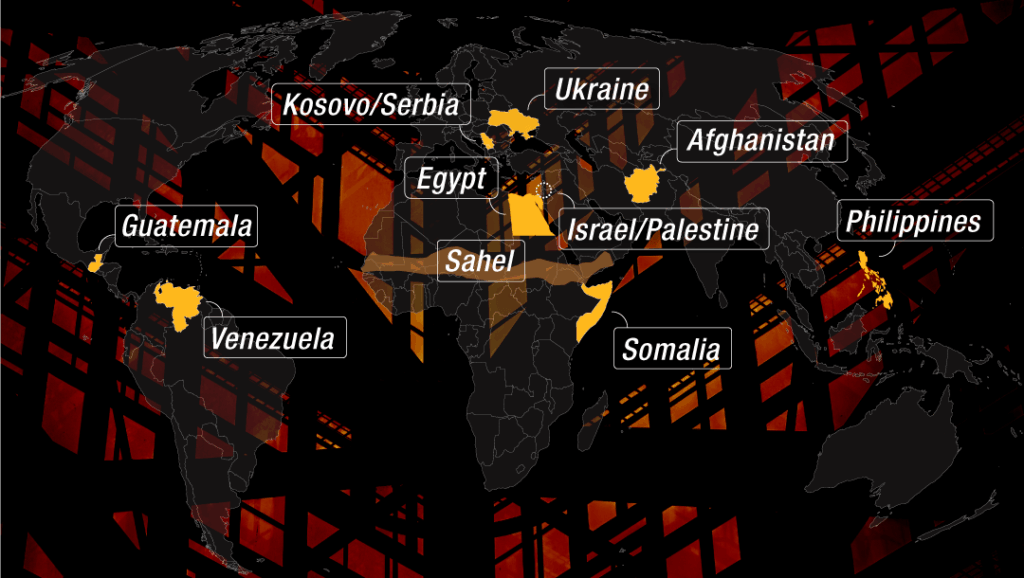
As we move through 2026, the world stands at a historic crossroads. The stable years following the Cold War have ended. In their place, we face a “polycrisis”—a time when diplomacy, safety rules, and trade are all breaking down at once. These events reflect the Global War Crisis and the Fracturing of International Politics. From the trenches in Eastern Europe to the blocked sea paths of the Middle East and the tech standoff in Asia, world tension is at its highest point in over fifty years.
Today’s crisis is not just a series of small border fights. It is a deep struggle over how the world should be run. The time when one superpower ruled is over. A new world with many power centers is being born through conflict. This article looks at what is driving these tensions, the main areas where war is a threat, and why the global groups meant to keep the peace are failing.
For decades, international rules protected countries from being invaded. This system was built on the United Nations Charter. It was based on the idea that every nation is in charge of its own land. However, in 2026, these rules are often treated as mere suggestions. The UN Security Council is stuck. Its most powerful members use their veto power to protect their own interests. This has left the world without a “global police force.”
This lack of leadership has emboldened “revisionist powers.” These are nations that want to change the map by using force. When big countries ignore borders without facing consequences, it tells smaller countries that “might makes right” again. The result is a world where talking is replaced by bullying and risky military moves.
The war in Eastern Europe is the largest traditional conflict of the 21st century. What started as a local invasion has become a long struggle that affects the whole world. By 2026, the fight has become a “war of attrition.” This means winning depends more on factory output and strong friendships than on a single battle.
In 2025 and 2026, military spending in Europe jumped by 35% as countries got ready for a larger war. This area is also a test site for new technology. AI drones and radio-jamming gear have made old tank tactics almost useless. The tension here is not just about land. It is about whether borders can be changed by force—a move that many see as a threat to global safety.
In the Middle East, political anger has reached a boiling point. It is driven by religion, country rivalries, and the use of oil as a weapon. Today, the region is defined by “proxy wars.” This is where countries use smaller groups to do the fighting for them.
The biggest risk to the world is the blocking of sea paths. Experts say that closing the Strait of Hormuz or the Red Sea would cause oil prices to double in just three days. This would crush the global economy. The Middle East shows how a local fight can quickly become a world crisis through the energy market. In 2026, international navies are working hard to keep these vital “energy arteries” open.
While other wars are already happening, the Indo-Pacific is the most dangerous “flashpoint.” The rivalry between the United States and China has moved from a trade fight to a struggle for total influence. Most of the tension centers on small islands and who has the right to use the South China Sea.
This situation is unique because the two rivals depend on each other for money. Unlike the old Cold War, these two giants have linked economies. A war here would not just mean soldiers dying. It would stop the world’s supply of computer chips. In 2026, this “Silicon Shield” is being tested as countries try to build their own chips at home to avoid being tied to a rival.
Modern crises are no longer fought only with guns. “Hybrid warfare” is the new way to attack. This includes hacking and spreading lies. By 2026, state-sponsored hackers can shut down a country’s power grid or banks without ever crossing a border.
The “Information War” is the most dangerous part. Actors use AI to make fake videos and social media bots. They can trick the public and cause riots in other nations. This makes the line between “peace” and “war” very blurry. If a country’s power grid is hacked, is that an act of war? Because there are no global rules for hacking, these tensions keep growing without any “red lines.”
One of the scariest trends in 2026 is the return of nuclear threats. For the first time in decades, some leaders are talking about using “tactical” nuclear weapons. These are smaller warheads meant for use on a battlefield. However, they are still incredibly dangerous.
Old treaties that limited nuclear weapons have ended. This has started a new arms race. More countries are building these weapons. This makes the balance of power much more unstable. The fear is that a country losing a normal war might use a nuclear weapon to “scare” its enemy into stopping. This puts the whole world at risk of an accidental nuclear disaster.
Political tension has killed the idea that trade brings peace. Nations are “friend-shoring.” This means they move their factories only to countries that they trust. They are also “de-risking.” This means they buy less from their rivals.
This split in the economy actually makes war more likely. When countries no longer need each other to survive, the “cost” of going to war goes down. In 2026, the world is splitting into rival trading camps. This stops global growth. It also removes the shared interests that used to help countries settle their fights peacefully.
In all this tension, a group of “neutral” countries is gaining a lot of power. These nations—often called the Global South—include India, Brazil, and Indonesia. They are refusing to pick a side. Instead, they trade with everyone and focus on their own growth.
These countries are the “wildcards.” Their support can decide if sanctions work or if a peace deal is signed. However, this makes politics more complex. We no longer have two clear sides. A country might be a security friend one day and a business rival the next. This “transactional” way of doing business makes long-term peace much harder to find.