

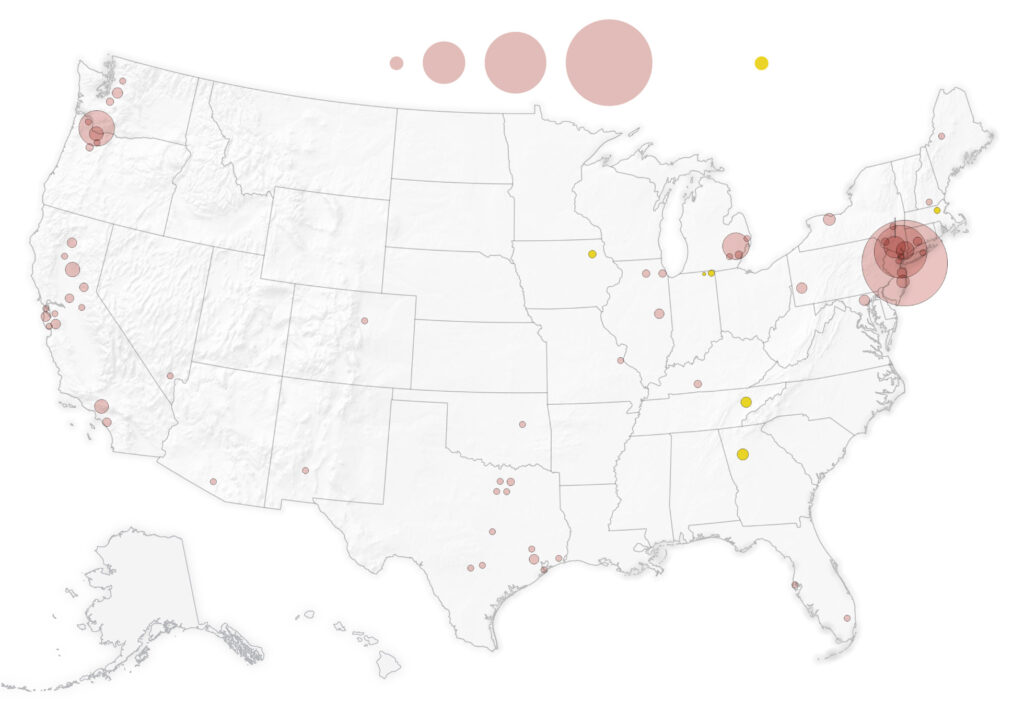
The United States is experiencing one of its largest measles resurgences in decades, with multiple outbreaks reported across numerous states. In fact, the current Measles Outbreak Spreads Across US with Multiple Clusters, raising significant concern among health authorities. Public health officials have warned that the highly contagious virus is spreading primarily within communities that have lower vaccination coverage, increasing the risk of sustained transmission. The resurgence has renewed discussions about vaccination, public health preparedness, disease surveillance, and community protection.
According to the U.S. Centers for Disease Control and Prevention (CDC), more than 2,000 confirmed measles cases had been reported during 2026 as of early June, with approximately 93% of infections linked to outbreaks. Health authorities continue to monitor multiple outbreak clusters while encouraging vaccination and rapid case identification to limit further spread.
Measles is one of the most contagious viral diseases known. Before vaccines became widely available, millions of infections occurred worldwide each year. Although the United States declared measles eliminated in 2000, imported infections and declining vaccination rates in some communities have allowed outbreaks to re-emerge.
The current resurgence illustrates how quickly measles can spread when immunity levels decline. Even a single infected traveler can introduce the virus into communities where vaccination coverage is below the level needed for strong population protection.
The CDC reports that confirmed measles cases have spread across dozens of jurisdictions, with numerous outbreak clusters accounting for the vast majority of infections. Most cases have occurred among people who were unvaccinated or whose vaccination status was unknown.
Measles is caused by a virus that spreads through the air when an infected person coughs, sneezes, or breathes. The virus can remain suspended in the air or on surfaces for up to two hours after an infected individual leaves an area, making transmission extremely efficient.
Public health experts attribute the resurgence to several factors, including declining childhood vaccination rates in some communities, increased international travel, misinformation about vaccines, and immunity gaps that developed after disruptions to routine healthcare during the COVID-19 pandemic.
State and local health departments, together with the CDC, continue to investigate cases, identify contacts, recommend isolation of infected individuals, and encourage vaccination among eligible people. Rapid identification of cases and high community vaccination coverage remain the primary tools for limiting further spread.
The ongoing measles resurgence demonstrates how quickly this highly contagious disease can spread when immunity declines. Public health officials emphasize that measles remains preventable through vaccination, early detection, and prompt outbreak response. Continued surveillance, public education, and maintaining high vaccination coverage will remain critical to reducing transmission and protecting vulnerable populations.