

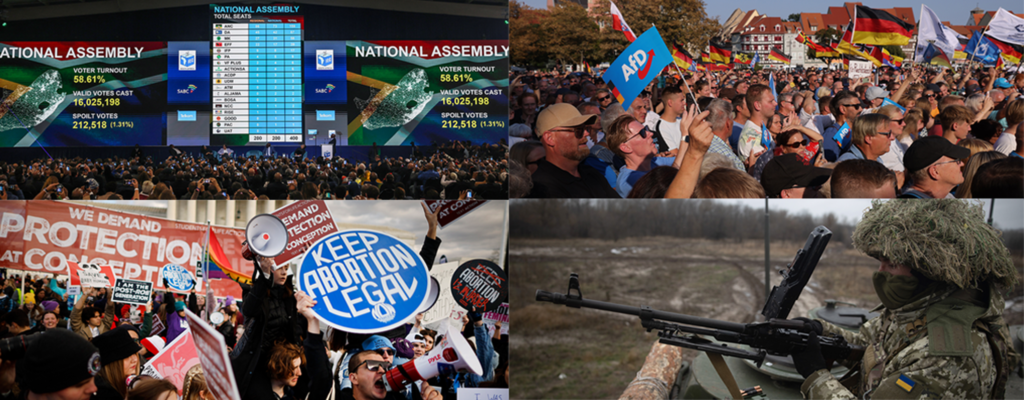
Most Important Political Elections Happening Around the World… Political elections are among the most influential events in global affairs. Every election has the potential to reshape domestic policies, alter international alliances, influence financial markets, and affect billions of people worldwide. In an increasingly interconnected world, the outcome of major elections often extends far beyond national borders, impacting trade, security, climate policy, technology regulation, migration, and geopolitical stability.
Recent years have witnessed an unprecedented number of national elections across every continent. Democracies both large and small have held—or are preparing to hold—important votes that could redefine political leadership for years to come. Together, these elections represent one of the largest democratic exercises in human history, involving billions of eligible voters.
This article explores the most significant political elections around the world, examines why they matter, analyzes the major issues influencing voters, presents notable case studies, and discusses how election outcomes shape the global political and economic landscape.
Modern economies and international politics are deeply interconnected. Decisions made by elected governments influence global supply chains, investment flows, environmental agreements, defense partnerships, international organizations, and diplomatic relations.
Major elections can affect:
As a result, investors, businesses, governments, and citizens closely monitor election campaigns across the world.
Although each country’s political system is unique, many elections are influenced by similar themes. Economic uncertainty, inflation, technological change, demographic shifts, and geopolitical tensions continue to shape voter priorities.
Common campaign issues include:
These issues frequently determine both voter turnout and electoral outcomes.
The United States holds one of the world’s most closely watched elections because of its influence on international diplomacy, global trade, military alliances, financial markets, and technology policy.
Issues commonly debated include:
Changes in U.S. leadership often influence international relations, multinational corporations, and investor confidence around the world.
Elections across Europe continue to shape both national governments and broader regional cooperation. Member states regularly hold parliamentary or presidential elections that influence economic policy, migration, defense cooperation, energy security, and the future direction of European integration.
Common themes include:
Political developments within Europe often have global implications because of the region’s economic size and diplomatic influence.
India regularly conducts one of the largest elections in history, involving hundreds of millions of voters across diverse geographic, linguistic, and cultural regions.
Key campaign priorities often include:
India’s growing role in the global economy means its elections receive significant international attention from investors, governments, and multinational companies.
General elections in the United Kingdom influence fiscal policy, trade relationships, public services, and international diplomacy.
Major topics often include:
Because the United Kingdom remains a major global financial center, political developments frequently affect international markets.
Latin American elections often focus on economic stability, inflation, public security, social programs, and institutional reform.
Many countries in the region continue to address:
The region’s political developments significantly influence commodity markets and international investment.
Many African nations continue to strengthen democratic institutions through regular elections. While political systems vary considerably, elections often center on economic opportunity, governance, infrastructure, education, healthcare, and youth employment.
Important priorities include:
Africa’s rapidly growing population and expanding digital economy make its political future increasingly significant globally.
Countries throughout the Asia-Pacific region continue to hold important elections that influence regional trade, technological innovation, security cooperation, and economic growth.
Major campaign topics frequently include:
The region’s economic importance means election outcomes often affect global supply chains.
Digital technology has fundamentally changed election campaigns worldwide. Political parties increasingly rely on social media, online advertising, data analytics, livestreaming, and digital fundraising to reach voters.
Modern campaign tools include:
These technologies have expanded political engagement while also raising questions about misinformation, transparency, and online platform governance.
Artificial Intelligence is increasingly influencing election administration, campaign strategy, and political communication. AI tools can analyze public opinion, automate campaign operations, and assist with multilingual voter outreach.
At the same time, policymakers and election authorities are addressing concerns regarding:
Many governments are exploring safeguards to protect election integrity while supporting technological innovation.
Countries with strong voter participation often demonstrate the importance of public trust in democratic institutions. Factors that contribute to higher turnout may include accessible polling stations, effective voter education, transparent election administration, and confidence in electoral processes.
High participation strengthens democratic legitimacy by ensuring that elected governments reflect the preferences of a broad cross-section of society.
Several countries have modernized election administration by introducing digital voter registration, electronic information systems, and online services that improve efficiency while maintaining security and transparency.
Successful modernization initiatives often focus on:
These reforms can enhance public confidence when implemented with appropriate safeguards.
Financial markets frequently respond to elections because political leadership influences fiscal policy, taxation, regulation, trade, and public investment.
Businesses often monitor:
Clear and stable policy environments generally support long-term investment and economic planning.
Election authorities around the world face increasingly complex challenges.
Addressing these challenges requires cooperation among governments, election administrators, civil society, technology companies, and independent media.
Elections are expected to become increasingly digital while maintaining traditional safeguards that protect transparency and public confidence.
Emerging developments include:
Balancing innovation with electoral integrity will remain one of the defining challenges for democracies in the years ahead.
Political elections remain one of the most influential forces shaping the modern world. From the United States and Europe to India, Africa, Latin America, and the Asia-Pacific region, electoral outcomes influence domestic policy, international diplomacy, economic growth, technological innovation, and global security. While every country faces unique political circumstances, common themes such as economic opportunity, public services, digital transformation, climate policy, and election integrity continue to define voter priorities across the globe. As technology, artificial intelligence, and digital communication increasingly reshape democratic processes, governments, election authorities, businesses, and citizens share a responsibility to promote transparency, informed participation, and trust in electoral institutions. Understanding these elections and the issues that drive them provides valuable insight into the evolving political landscape and the future direction of international affairs.