

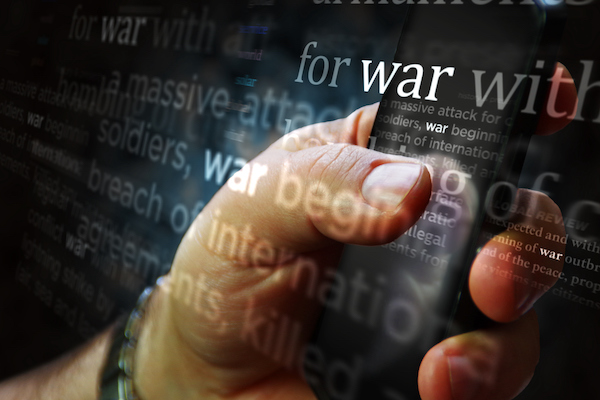
War is one of the most devastating experiences humanity can endure. Beyond the visible destruction of cities, infrastructure, and economies, war leaves deep psychological scars on both soldiers and civilians. The psychological effects of war on soldiers and civilians can be profound and long-lasting. While physical injuries may heal over time, the emotional and mental consequences of armed conflict often persist for decades, affecting individuals, families, and entire societies.
Throughout history, wars have transformed not only political borders but also human psychology. From World War I and World War II to modern conflicts in Afghanistan, Syria, Ukraine, Iraq, Gaza, and Sudan, millions of people have experienced trauma, fear, grief, displacement, and long-term emotional suffering. Soldiers returning from combat frequently struggle with post-traumatic stress disorder (PTSD), depression, anxiety, substance abuse, and difficulties reintegrating into civilian life.
The psychological effects of war are complex because they impact people differently depending on factors such as age, gender, personality, social support, cultural background, and the intensity of exposure to violence. Some individuals develop severe mental health disorders, while others display remarkable resilience despite extreme adversity.
This article explores the psychological consequences of war on soldiers and civilians, examining trauma, PTSD, moral injury, displacement, intergenerational effects, coping mechanisms, treatment approaches, and the long-term societal impact of conflict.
War trauma refers to the emotional and psychological damage caused by exposure to violent conflict. Trauma can result from direct experiences such as combat, torture, injury, or witnessing death, as well as indirect experiences like displacement, starvation, and constant fear.
Psychological trauma occurs when a person’s ability to cope becomes overwhelmed by extreme stress.
Common sources of war-related trauma include:
Trauma can affect people immediately or emerge years later. Some individuals suppress memories during conflict only to experience severe symptoms long after the war ends.
Soldiers face intense psychological pressure during war. Combat environments expose them to life-threatening situations, prolonged uncertainty, sleep deprivation, and the constant possibility of death.
Combat stress reactions are common even among highly trained military personnel.
Symptoms may include:
In high-intensity conflicts, soldiers may experience psychological breakdowns due to prolonged exposure to violence and stress.
PTSD is one of the most widely recognized psychological consequences of war.
PTSD develops after exposure to traumatic events and can significantly impair daily functioning.
Common PTSD symptoms include:
Research from conflicts such as the Vietnam War, Iraq War, and Afghanistan War has shown high PTSD rates among veterans.
According to the U.S. Department of Veterans Affairs, approximately 11–20% of veterans who served in Iraq and Afghanistan experienced PTSD in a given year.
During World War I, PTSD-like symptoms were commonly referred to as “shell shock.” At the time, psychological trauma was poorly understood, and many soldiers were unfairly viewed as weak or cowardly.
Beyond PTSD, many soldiers suffer from moral injury.
Moral injury occurs when individuals feel they have violated deeply held moral or ethical beliefs during war.
This may involve:
Moral injury often leads to:
Unlike PTSD, which is fear-based, moral injury centers more on ethical conflict and emotional guilt.
Civilians in war zones often endure prolonged psychological stress.
Unlike soldiers, civilians are typically untrained and unprepared for violence.
Many live under:
Constant exposure to danger can create chronic anxiety and emotional exhaustion.
Children are among the most psychologically vulnerable victims of war.
War disrupts critical stages of emotional and cognitive development.
Children exposed to violence may experience:
Many children lose access to education, healthcare, and stable family environments.
UNICEF estimates that hundreds of millions of children worldwide currently live in conflict-affected areas.
Child soldiers face especially severe psychological consequences because they are forced into violence at a young age.
Women in war zones often experience unique forms of trauma.
They may face:
Sexual violence has been used systematically as a weapon of war in numerous conflicts, including Bosnia, Rwanda, and the Democratic Republic of Congo.
Survivors frequently experience:
War forces millions of people to flee their homes every year.
According to the United Nations High Commissioner for Refugees (UNHCR), over 120 million people worldwide are forcibly displaced due to conflict, persecution, and violence.
Displacement itself can be deeply traumatic.
Refugees often experience:
Many refugees carry psychological trauma long after escaping conflict zones.
Studies among Syrian refugees, for example, have found high rates of PTSD, depression, and anxiety disorders.
The Vietnam War profoundly influenced modern understanding of war trauma.
Many American veterans returned home experiencing severe psychological distress.
Common problems included:
The experiences of Vietnam veterans helped lead to PTSD being officially recognized as a psychiatric disorder in 1980.
The war also highlighted the importance of long-term mental health care for veterans.
The Syrian Civil War created one of the largest humanitarian and psychological crises of the 21st century.
Millions of Syrians have experienced:
Children growing up during the conflict often display severe trauma symptoms.
Humanitarian organizations report widespread psychological distress among displaced Syrian populations.
The conflict demonstrates how prolonged war can devastate the mental health of entire generations.
War trauma can affect not only survivors but also future generations.
Intergenerational trauma occurs when psychological effects are transmitted across families.
Children of trauma survivors may inherit:
Research involving Holocaust survivors and their descendants has shown long-term psychological impacts across generations.
Trauma may be transmitted through:
Many individuals affected by war turn to alcohol or drugs to cope with psychological pain.
Substance abuse can temporarily numb emotional suffering but often worsens mental health over time.
Veterans with PTSD are at increased risk for:
The relationship between trauma and addiction is well documented in conflict-affected populations.
War-related psychological trauma significantly increases suicide risk.
Veterans suffering from PTSD, depression, or moral injury may feel hopeless or disconnected from society.
According to studies, suicide rates among some veteran populations exceed those of the general public.
Social isolation, unemployment, chronic pain, and difficulty reintegrating into civilian life contribute to the problem.
Preventing veteran suicide has become a major public health priority in many countries.
War trauma often damages family relationships.
Individuals suffering from PTSD may struggle with:
Family members may also develop secondary trauma from supporting loved ones with severe psychological distress.
Children of traumatized veterans sometimes experience emotional neglect or instability at home.
One major barrier to treatment is stigma.
Military cultures often emphasize toughness, discipline, and emotional control.
As a result, many soldiers hesitate to seek psychological help.
Common fears include:
Reducing stigma is essential for improving mental health outcomes among veterans and active-duty personnel.
Despite severe adversity, many individuals display remarkable psychological resilience.
Protective factors include:
Resilience does not mean absence of suffering. Instead, it reflects the ability to adapt and recover despite trauma.
Communities affected by war often develop collective coping strategies that help maintain social cohesion.
Therapy plays a central role in treating war-related trauma.
Common therapeutic approaches include:
These therapies help individuals process traumatic memories and reduce symptoms.
Antidepressants and anti-anxiety medications may help manage PTSD and depression symptoms.
Medication is often combined with therapy for best results.
In conflict-affected societies, community support systems are crucial.
Programs involving:
can help survivors rebuild social connections and emotional stability.
International organizations increasingly recognize mental health as a critical component of humanitarian response.
Organizations such as:
provide psychological support in conflict zones.
Mental health services now often include:
War trauma affects entire societies, not just individuals.
Countries emerging from conflict often face:
Untreated trauma can contribute to:
Rebuilding societies after war requires psychological healing alongside physical reconstruction.
Preventing war is ultimately the most effective way to prevent war-related psychological suffering.
Peacebuilding efforts focus on:
Post-conflict reconciliation programs can also help societies heal.
Truth commissions, memorials, and restorative justice initiatives may support collective recovery.
Modern warfare introduces new forms of psychological stress.
Drone warfare, cyber warfare, and social media exposure create unique mental health challenges.
For civilians, constant access to graphic war imagery through digital media can intensify trauma.
For soldiers, remote warfare may create emotional detachment and moral ambiguity.
The psychological consequences of modern conflict continue evolving alongside technology.
The psychological effects of war on soldiers and civilians are among the most devastating and enduring consequences of armed conflict. While wars may end politically, their emotional and psychological wounds often persist across generations.
Soldiers face combat stress, PTSD, moral injury, and challenges reintegrating into civilian life. Civilians endure fear, displacement, violence, loss, and social collapse. Children are especially vulnerable, with trauma disrupting critical stages of development and shaping their futures.
War trauma affects not only individuals but entire societies. Untreated psychological suffering can contribute to long-term instability, social fragmentation, and cycles of violence.
At the same time, human resilience remains extraordinary. Many survivors rebuild their lives despite unimaginable hardship. Advances in mental health treatment, trauma therapy, humanitarian support, and peacebuilding efforts offer hope for recovery.
Understanding the psychological consequences of war is essential for creating compassionate policies, supporting survivors, and preventing future suffering. Ultimately, the true cost of war cannot be measured only in casualties or economic damage—it must also be measured in the invisible emotional scars carried by millions of people long after the fighting ends.