

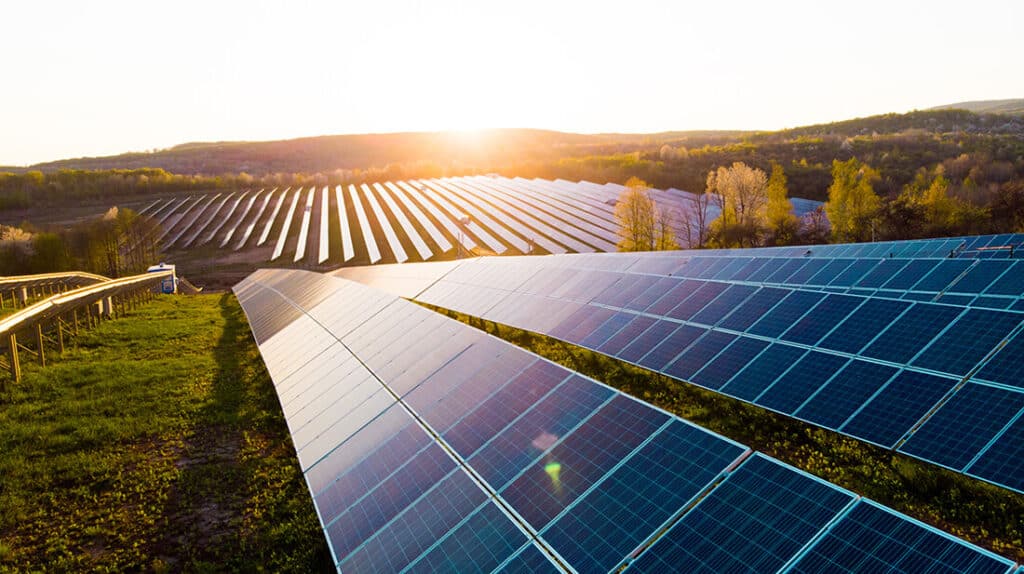
Solar energy has entered a new era. In fact, Solar Energy Hits Largest Ever Global Expansion in History as the industry reaches unprecedented levels of growth. What was once considered an expensive alternative technology has become one of the world’s fastest-growing and most affordable sources of electricity. Over the past decade, record-breaking investments, rapid technological innovation, supportive government policies, and increasing public awareness of climate change have fueled unprecedented growth in the global solar industry. Today, solar power is experiencing the largest expansion in history, reshaping energy markets, reducing greenhouse gas emissions, creating millions of jobs, and transforming how nations generate electricity.
From massive solar farms spanning deserts to rooftop panels powering family homes, solar energy is now a cornerstone of the global transition toward cleaner and more sustainable energy systems. According to recent international energy reports, solar photovoltaic (PV) installations have reached record levels, accounting for a significant share of new electricity generation capacity worldwide. This historic expansion demonstrates that renewable energy is no longer a niche solution but a mainstream driver of economic development and environmental sustainability.
Solar energy harnesses sunlight using photovoltaic (PV) cells or concentrated solar power (CSP) technologies to generate electricity. Although solar technology has existed for decades, widespread adoption accelerated only after manufacturing costs declined dramatically and efficiency improved.
In the early 2000s, installing solar panels was often prohibitively expensive for households and businesses. Since then, technological improvements, economies of scale, and fierce global competition have reduced the cost of solar modules by more than 80% in many markets. This remarkable price decline has made solar one of the cheapest forms of electricity generation in many parts of the world.
Several major factors have contributed to the historic growth of solar energy across the globe.
Together, these factors have created an environment where solar energy is increasingly viewed not only as an environmentally responsible choice but also as a financially attractive investment.
Recent years have witnessed unprecedented expansion in solar installations worldwide. International energy organizations estimate that hundreds of gigawatts of new solar generating capacity are added annually, representing the largest yearly increase ever recorded.
Solar power now accounts for a substantial portion of all newly installed electricity generation capacity globally. In many countries, solar installations exceed new investments in coal, natural gas, and nuclear power combined.
This explosive growth reflects increasing confidence from governments, investors, utilities, and consumers that solar energy will play a leading role in future electricity systems.
China remains the world’s largest producer and installer of solar panels. Massive government support, advanced manufacturing capabilities, and ambitious renewable energy targets have positioned China at the forefront of global solar deployment.
The country has invested heavily in utility-scale solar farms, rooftop systems, energy storage, and transmission infrastructure. Chinese manufacturers also supply a significant percentage of the world’s photovoltaic modules.
The United States continues expanding solar generation through both utility-scale projects and residential rooftop systems. Federal incentives, state renewable energy standards, and growing corporate demand have accelerated investment throughout the country.
India has rapidly emerged as one of the world’s fastest-growing solar markets. Large-scale solar parks, ambitious renewable energy targets, and declining installation costs have transformed the country’s electricity landscape.
European nations continue expanding solar capacity to reduce dependence on imported fossil fuels while meeting ambitious climate objectives. Rooftop solar adoption has increased significantly across residential and commercial sectors.
Innovation has played a central role in making solar energy more efficient and affordable.
Modern solar panels generate significantly more electricity than previous generations while requiring less maintenance and occupying less space.
Battery technology has become one of the most important complementary innovations supporting solar expansion. Since sunlight is only available during daylight hours, storing excess electricity enables continuous energy supply during evenings and cloudy conditions.
Large-scale lithium-ion battery installations now help stabilize electrical grids, reduce peak demand, and improve renewable energy reliability.
As battery costs continue declining, solar-plus-storage systems are becoming increasingly competitive with traditional fossil fuel power plants.
The rapid growth of solar energy has generated substantial economic benefits across multiple industries.
Millions of people worldwide now work in renewable energy industries, including manufacturing, engineering, construction, maintenance, research, and project development.
One of solar energy’s greatest advantages is its ability to generate electricity without producing direct greenhouse gas emissions during operation.
Replacing fossil fuel power plants with solar generation contributes to cleaner air, reduced carbon emissions, and improved public health. Solar also requires relatively little water compared to conventional thermal power stations.
Although manufacturing solar panels requires energy and raw materials, lifecycle analyses consistently show that solar systems produce substantially lower emissions than coal and natural gas over their operational lifespan.
China provides one of the clearest examples of rapid solar expansion. Through consistent government investment, industrial policy, and manufacturing scale, the country has built the world’s largest solar market.
Massive utility-scale projects located in desert regions produce enormous quantities of clean electricity. At the same time, distributed rooftop installations continue expanding across urban and rural communities.
China’s manufacturing leadership has also helped lower global solar panel prices, making renewable energy more affordable for developing and developed nations alike.
India has invested heavily in large solar parks capable of generating hundreds or even thousands of megawatts of electricity. These projects demonstrate how developing economies can expand electricity access while reducing dependence on imported fossil fuels.
The country’s competitive solar auctions have consistently driven electricity prices downward, making solar one of India’s lowest-cost sources of new power generation.
Many multinational companies now purchase solar electricity directly or install onsite generation facilities.
These investments help organizations reduce operational costs while meeting environmental, social, and governance (ESG) objectives.
Residential solar installations continue growing rapidly due to declining equipment costs and attractive financing options.
Homeowners benefit from:
Many households now combine rooftop solar with battery storage systems to maximize energy self-sufficiency.
Solar technology is transforming energy access in regions lacking reliable electricity infrastructure. Off-grid solar systems provide lighting, refrigeration, communication, and education opportunities for millions of people.
Small solar home systems often replace expensive diesel generators and kerosene lamps, improving health while reducing household energy costs.
Despite remarkable progress, several challenges remain.
Addressing these challenges will require continued investment, innovation, and international cooperation.
Electricity grids were originally designed around centralized fossil fuel power plants. The rapid expansion of distributed renewable energy requires smarter, more flexible infrastructure capable of balancing variable electricity production.
Modern grids increasingly rely on advanced sensors, digital monitoring systems, demand-response technologies, and energy storage to improve reliability.
Meeting international climate targets depends heavily on accelerating renewable energy deployment. Solar power is expected to provide a substantial share of future electricity generation because of its scalability, affordability, and declining costs.
Combined with wind, hydroelectric power, battery storage, and energy efficiency improvements, solar forms a critical component of global decarbonization strategies.
The scale of solar expansion can be understood through several notable figures.
These statistics illustrate how rapidly renewable energy has shifted from an emerging technology to a dominant force in global electricity markets.
The future of solar energy appears exceptionally promising. Continued improvements in manufacturing efficiency, battery storage, artificial intelligence, grid management, and photovoltaic materials are expected to further reduce costs while increasing electricity generation.
Emerging technologies such as perovskite solar cells, tandem photovoltaic designs, and next-generation recycling methods may significantly improve performance while reducing environmental impacts.
Governments, investors, and businesses are increasingly viewing solar energy as a long-term strategic asset capable of supporting sustainable economic growth and energy security.
Consumers can contribute to the renewable energy transition in several practical ways.
Individual actions, combined with supportive public policies, can accelerate the global transition toward cleaner energy systems.
The historic expansion of solar energy marks one of the most significant transformations in the modern energy sector. Falling costs, technological innovation, supportive government policies, and increasing awareness of climate change have enabled solar power to become a leading source of new electricity generation around the world. Countries such as China, the United States, India, and members of the European Union are demonstrating how large-scale investment in solar infrastructure can strengthen energy security, stimulate economic growth, reduce emissions, and create millions of skilled jobs.
While challenges such as grid integration, energy storage, recycling, and supply chain resilience remain, ongoing innovation continues to improve the reliability and affordability of solar technologies. As nations pursue ambitious climate goals and seek sustainable pathways for development, solar energy is poised to play an even greater role in the decades ahead. Its record-breaking global expansion is more than an industrial achievement—it represents a fundamental shift toward a cleaner, more resilient, and economically competitive energy future that will benefit societies, businesses, and future generations alike.