

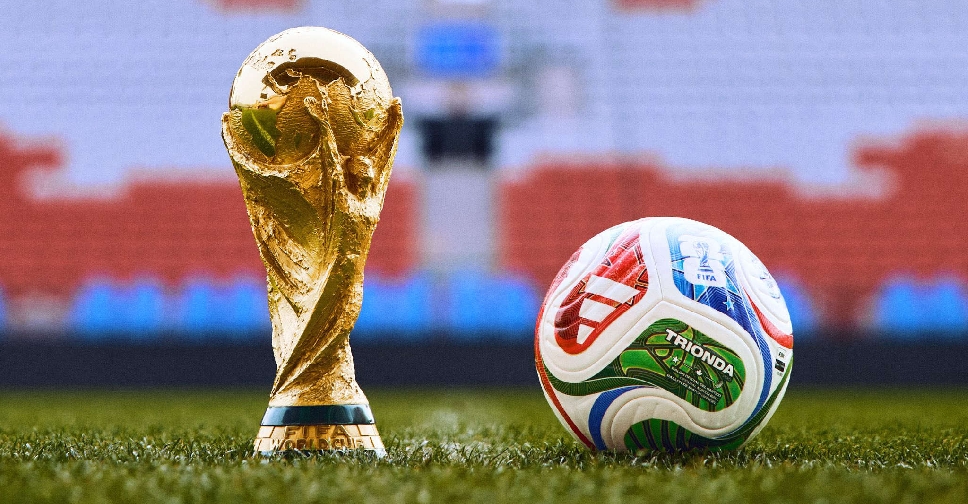
The 2026 FIFA World Cup is set to be the largest in history, expanding to 48 teams and spreading across 16 host cities in the United States, Canada, and Mexico. Fans can look forward to World Cup 2026 Matches in Los Angeles, with the city standing out as one of the most strategically important and commercially powerful venues in the entire tournament.
At the heart of this spotlight is SoFi Stadium in Inglewood, which will host multiple group-stage matches, knockout fixtures, and a quarterfinal game. According to official scheduling releases, the stadium is set to stage eight World Cup matches, making it one of the busiest venues in the tournament.
This article explores everything you need to know about the World Cup 2026 matches in Los Angeles, including schedules, stadium capabilities, economic impact, fan experience, logistics, and why this city could define the tournament’s global legacy.
Los Angeles is no stranger to global football. The city previously hosted matches during the 1994 FIFA World Cup, and its cultural diversity, massive stadium infrastructure, and media influence make it a natural fit for international sporting events.
For 2026, FIFA has elevated LA into a premier host role, largely due to:
With millions of visitors expected, Los Angeles is projected to be one of the most economically significant host cities of the entire tournament.
SoFi Stadium, located in Inglewood, is one of the most advanced sports venues in the world. Opened in 2020, it already hosts NFL teams like the Los Angeles Rams and then Chargers and has become a centerpiece of modern stadium design.
For the World Cup, SoFi Stadium will undergo FIFA-compliant modifications, including natural grass installation and pitch adjustments for international standards.
Key features of the stadium include:
Because of its flexibility and scale, SoFi Stadium is uniquely positioned to host both high-profile group matches and deep knockout-stage fixtures.
According to official scheduling data and venue allocations, Los Angeles will host a combination of group-stage matches, Round of 32 games, and a quarterfinal match.
SoFi Stadium’s schedule is expected to include:
Reports indicate that Los Angeles will host some of the earliest and most attended matches, including opening fixtures for major teams and key group-stage clashes.
One of the most anticipated storylines in Los Angeles revolves around the United States Men’s National Team.
According to early match listings, the USMNT is expected to play at least one group-stage match at SoFi Stadium, possibly even their opening game of the tournament in front of a home crowd.
This creates a rare advantage:
Historically, host nations tend to outperform expectations. For example, the United States reached the knockout stages in 1994, and similar momentum is expected again in 2026.
Los Angeles is projected to generate hundreds of millions of dollars in economic activity during the tournament. This includes tourism, hospitality, transportation, and entertainment sectors.
Key economic drivers include:
However, the economic boom also comes with challenges, including rising prices and infrastructure pressure.
Attending a World Cup match in Los Angeles is expected to be one of the most immersive sporting experiences in the world.
Fans can expect:
However, logistics will also be a major factor. Transportation to SoFi Stadium is expected to rely heavily on shuttle systems, rideshare coordination, and expanded public transit routes.
Despite its advantages, Los Angeles is notorious for traffic congestion, and hosting World Cup matches will intensify transportation challenges.
Authorities are preparing by:
There are also ongoing labor discussions involving stadium workers, with concerns around working conditions and large-scale event staffing pressures.
One of the most interesting aspects of SoFi Stadium is its multi-event legacy. The venue is not just a World Cup site—it is part of a broader long-term sports ecosystem in Los Angeles.
After 2026, the stadium is expected to host:
This positions Los Angeles as a long-term global sports capital, not just a one-time host city.
To understand the scale of Los Angeles’ role, it helps to compare it to past tournaments:
The 2026 model is unique because it blends massive stadiums like SoFi with a continental-scale tournament structure, making LA one of the most globally visible host cities in World Cup history.
Several factors make Los Angeles a potential defining location for the entire tournament:
If the United States performs well, Los Angeles could become the emotional and narrative center of the tournament.
The World Cup 2026 matches in Los Angeles represent more than just a series of football games—they symbolize the merging of global sport, entertainment culture, and technological innovation in one of the world’s most influential cities.
With SoFi Stadium hosting eight matches, including critical knockout-stage fixtures and potentially USMNT appearances, Los Angeles is set to become one of the defining venues of the entire tournament.
From economic transformation and fan experience to logistical challenges and global attention, and then the city will play a central role in shaping how the 2026 World Cup is remembered.
Ultimately, Los Angeles is not just hosting matches—it is hosting moments that will define a generation of football history.