

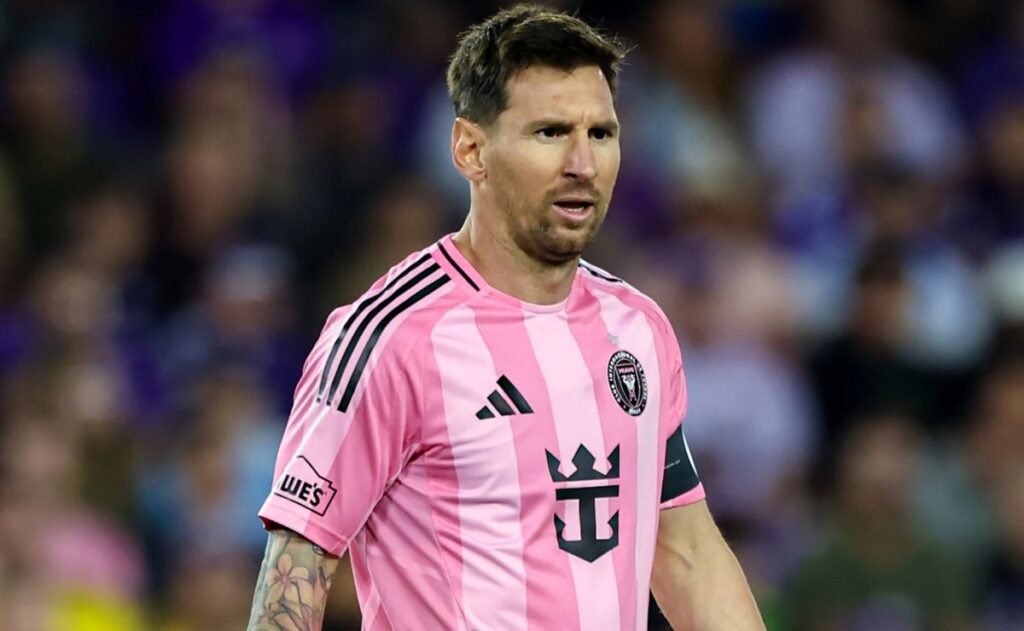
As the football world builds toward the highly anticipated 2026 FIFA World Cup in the United States, Canada, and Mexico, one name continues to dominate headlines, debates, and tactical planning: Lionel Messi. The Inter Miami Star Tracked Closely Ahead of 2026 Tournament, Messi is being closely monitored by club staff, Argentina’s national team, and global analysts as questions swirl around his fitness, form, and readiness for what could be his final appearance on football’s biggest stage.
At nearly 39 years old during the tournament, Messi is not just another elite player under observation—he is a generational figure whose participation could shape the competitive balance and global narrative of the competition. His club, Inter Miami, is also managing a delicate balancing act: keeping him fit, competitive, and protected while still relying heavily on him for results in Major League Soccer (MLS).
This article explores why Messi is under intense scrutiny ahead of the 2026 tournament, how Inter Miami is managing his workload, what Argentina expects from him, and what historical precedents tell us about aging superstars heading into World Cups.
Since joining Inter Miami in 2023, Messi has transformed the club’s identity, performance level, and global relevance. His arrival triggered what many analysts called the “Messi Effect,” turning a mid-table MLS team into a global sporting brand almost overnight.
His influence extends beyond goals and assists. Inter Miami’s commercial value, ticket demand, and global viewership have all surged significantly, with reports estimating revenue growth from under $60 million to well over $200 million annually in the Messi era.
On the field, Messi has remained decisive:
Even in 2026, Messi continues to define match outcomes despite increased physical management and occasional injury concerns. Recent reports confirm that Inter Miami coaching staff, including interim leadership following managerial changes, are prioritizing his availability for crucial matches rather than resting him frequently.Why Messi Is Being Closely Tracked Ahead of 2026
The scrutiny surrounding Messi is not just about form—it is about survival at the elite level of international football at an advanced age for a forward.
Several key factors are driving the intense monitoring:
Reports from multiple football outlets indicate that Messi’s participation in the World Cup remains a personal decision tied directly to his physical condition and match readiness.
One of the most complex challenges facing Inter Miami is balancing short-term competitiveness with long-term preservation of their star player.
Coach Javier Mascherano and the club’s staff have consistently emphasized that Messi “feels better when playing regularly,” which complicates any attempt to rest him strategically.
This creates a paradox:
Inter Miami’s 2026 season structure also complicates matters. With MLS fixtures, cup competitions, and commercial tours, Messi’s schedule remains dense despite being outside Europe.
Interestingly, analysts suggest MLS scheduling may actually benefit him, as it includes seasonal breaks that reduce continuous fatigue compared to European leagues.
For Argentina, Messi is not just a player—he is the tactical foundation and emotional leader of the squad.
Even though Argentina won the 2022 World Cup without relying on peak Messi explosiveness, the 2026 edition is different. The team is evolving, younger players are emerging, but Messi’s presence still fundamentally shapes strategy.
Argentina’s concerns revolve around:
Coach Lionel Scaloni is expected to monitor Messi closely throughout the MLS season, coordinating with Inter Miami staff to assess fatigue levels and injury risk.
Despite age-related concerns, Messi’s output remains elite compared to historical standards for players in their late 30s.
Key performance trends include:
Historically, very few outfield players have remained decisive at international tournaments beyond age 38. If Messi features prominently in 2026, he will join a rare group of footballers competing at that level in the final stage of their careers.
Messi’s situation is not without precedent, though few examples match his level of influence.
Notable comparisons include:
However, Messi’s role is more complex because it combines playmaking, leadership, and offensive orchestration rather than just finishing or defensive stability.
There is growing consensus among analysts that the 2026 tournament could mark Messi’s final World Cup appearance.
Key reasons include:
While Messi has not definitively confirmed retirement plans, he has previously suggested that decisions about international tournaments depend heavily on physical condition rather than ambition alone.
Messi’s status ahead of 2026 extends far beyond Argentina or Inter Miami. His presence influences:
Even recent club matches featuring Inter Miami have been treated as unofficial “World Cup previews,” drawing massive crowds and global attention, including record stadium attendance tests ahead of the tournament.
Despite optimism, several risks could affect Messi’s 2026 participation:
Even minor injuries could significantly alter both Inter Miami’s season and Argentina’s World Cup strategy.
Beyond physical fitness, there is a psychological layer to Messi’s situation. He carries expectations not just as a player but as a global icon whose legacy is already considered complete after winning the 2022 World Cup.
This creates a unique dynamic:
This environment makes his preparation for 2026 one of the most closely watched athlete narratives in modern sports.
The tracking of Lionel Messi ahead of the summer 2026 tournament represents more than routine pre-World Cup analysis—it is the final chapter of one of football’s greatest careers unfolding in real time.
At Inter Miami, every minute he plays is a calculated decision between performance and preservation. For Argentina, every appearance is a strategic opportunity to extract brilliance from a player whose understanding of the game remains unmatched. For the global football audience, every update carries the weight of legacy, history, and finality.
Whether Messi lifts another World Cup or simply participates as a symbolic leader, his presence alone ensures that the 2026 tournament will be defined by his influence.
The world is no longer just watching a player—it is witnessing the final stage of an era that has shaped modern football for over two decades.