

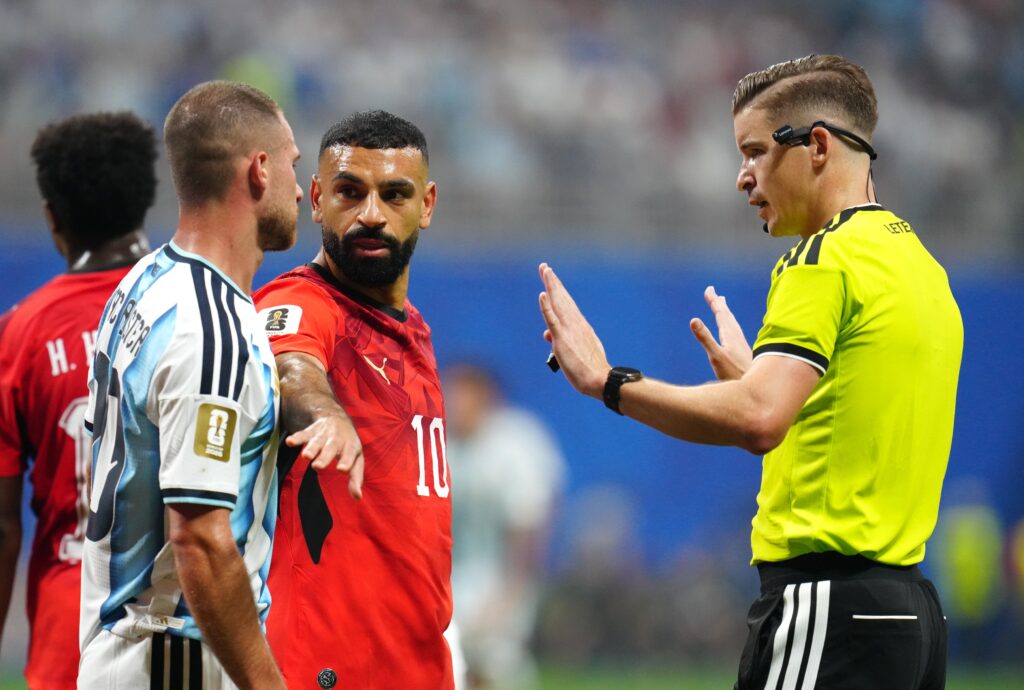
The FIFA World Cup is the most prestigious tournament in international football, attracting billions of viewers and generating billions of dollars in revenue through broadcasting, sponsorships, tourism, and sports betting. Because of its global significance, every edition of the tournament is accompanied by intense scrutiny—not only of the matches themselves but also of the integrity of the competition. As the FIFA World Cup 2026 approaches, discussions surrounding possible match-fixing allegations have appeared across social media, online forums, and news commentary.
However, it is important to distinguish between rumors, speculation, and verified evidence. As of this writing, there is no verified evidence or official finding that matches at the 2026 FIFA World Cup have been fixed. Nevertheless, concerns about match manipulation remain relevant because football has experienced documented match-fixing scandals in domestic leagues and international competitions throughout its history. Understanding these risks—and the systems designed to prevent them—helps fans evaluate claims critically and appreciate the safeguards intended to protect the world’s biggest sporting event.
Match fixing refers to the manipulation of a sporting event to produce a predetermined outcome or influence a specific aspect of the game for financial gain or other improper purposes. It is considered one of the most serious threats to sporting integrity.
Match manipulation can include:
Modern match fixing is often linked to illegal betting markets rather than direct sporting rivalries.
The FIFA World Cup is watched by billions of people worldwide and involves enormous commercial interests. Major tournaments generate substantial betting activity across legal and illegal markets, making them attractive targets for criminal networks seeking financial profit.
Several factors increase scrutiny:
Because of these factors, FIFA and its partners devote considerable resources to integrity monitoring before and during every World Cup.
Every controversial referee decision, unexpected result, or dramatic comeback can quickly lead to online speculation. Social media platforms enable millions of users to share opinions instantly, sometimes before verified information is available.
Common reasons rumors gain traction include:
While these discussions are part of modern sports culture, they should not be mistaken for evidence of match fixing.
Although there is no verified match-fixing case tied to the 2026 FIFA World Cup, football has experienced documented integrity scandals over the years. These historical cases demonstrate why governing bodies remain vigilant.
Examples include:
Many of these cases involved organized crime groups seeking profit through illegal gambling rather than influencing championship outcomes for sporting reasons.
The expansion of global sports betting has transformed how integrity risks are managed. Legitimate betting operators monitor unusual wagering activity, while illegal betting markets often operate outside regulatory oversight.
Integrity analysts pay attention to:
These indicators do not prove wrongdoing on their own but may prompt further investigation.
FIFA has introduced a range of integrity measures aimed at reducing the risk of corruption and match manipulation. These initiatives involve cooperation with national football associations, betting-monitoring organizations, and law enforcement agencies.
Key measures include:
The objective is to detect and deter potential manipulation before it can affect competition.
Modern technology has significantly improved the ability to identify suspicious activity. Data analytics, betting-market surveillance, and video review systems provide investigators with more information than ever before.
Examples include:
Technology cannot eliminate corruption risk entirely, but it strengthens the capacity to detect irregularities.
In several documented football investigations unrelated to the 2026 World Cup, suspicious betting activity served as an early warning sign. Integrity units compared betting data with match events, financial records, and witness statements before determining whether further investigation was warranted.
This illustrates an important principle: unusual betting patterns are indicators—not proof. Responsible investigations require corroborating evidence before conclusions are reached.
Accusations of match fixing can have serious consequences for players, referees, teams, and competitions. Reputations may be damaged long before any investigation is completed. For this reason, sports governing bodies and journalists emphasize the importance of evidence-based reporting.
Reliable evidence may include:
Without such evidence, allegations remain unverified.
Social media has transformed how football controversies develop. A single disputed incident can generate millions of posts within hours. While this encourages public discussion, it also increases the spread of misinformation.
Fans can reduce the risk of being misled by:
Maintaining confidence in international football requires independent oversight. FIFA, national associations, disciplinary bodies, and, where appropriate, law enforcement agencies each have distinct responsibilities in investigating suspected misconduct.
Independent review helps ensure that disciplinary decisions are based on evidence rather than public pressure or speculation.
Investigating potential match manipulation is often complex. Criminal networks may operate across multiple jurisdictions, use encrypted communications, and exploit differences in national legal systems.
Investigators therefore rely on international cooperation, financial intelligence, betting analysis, and legal procedures to establish whether misconduct has occurred.
Experts generally recommend several measures to reduce integrity risks in elite football.
These measures contribute to a culture of accountability while helping preserve public trust in the sport.
The phrase “World Cup match-fixing allegations 2026” reflects the heightened attention that accompanies the world’s biggest football tournament, but it should not be interpreted as evidence that the competition has been manipulated. Football’s history includes genuine match-fixing scandals in other contexts, making vigilance essential, yet responsible analysis requires distinguishing between documented facts and online speculation. Modern integrity programs, betting-market monitoring, technological advances, and international cooperation have significantly strengthened football’s ability to detect and deter manipulation. For supporters, journalists, and stakeholders alike, the most reliable approach is to evaluate claims through credible evidence, official investigations, and transparent reporting rather than rumors. Protecting the integrity of the FIFA World Cup depends not only on strong governance but also on a shared commitment to evidence-based discussion and fair competition.