

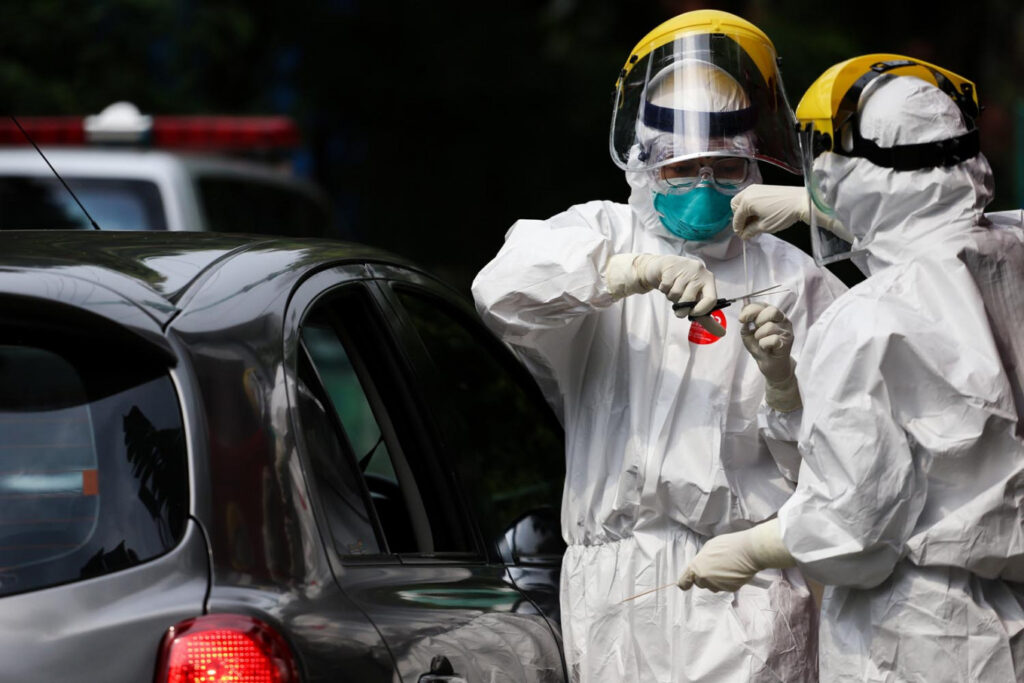
The COVID-19 pandemic exposed vulnerabilities in healthcare systems across the globe unlike any public health crisis in recent history. The worldwide healthcare system crisis after pandemics has become a critical topic as countries grapple with ongoing challenges. While pandemics have historically challenged medical infrastructure, the scale and duration of COVID-19 revealed deep-rooted weaknesses in healthcare delivery, workforce management, funding structures, and emergency preparedness. Even years after the peak of the outbreak, many countries continue to struggle with the long-term consequences of overwhelmed hospitals, exhausted healthcare workers, delayed treatments, and rising healthcare costs.
The worldwide healthcare system crisis after pandemics is not limited to a single nation or region. Developed and developing countries alike have faced significant disruptions in healthcare services, creating a global challenge that requires coordinated solutions. Understanding the causes, impacts, and future strategies for strengthening healthcare systems is essential to preparing for future health emergencies.
A healthcare system crisis occurs when medical services become unable to meet the needs of the population. During and after pandemics, healthcare facilities often experience severe strain due to increased patient loads, resource shortages, and workforce burnout.
The World Health Organization (WHO) reported that the COVID-19 pandemic disrupted essential health services in the majority of countries worldwide. Millions of people experienced delays in receiving routine medical care, preventive screenings, surgeries, and chronic disease management.
While pandemics may eventually subside, their effects can linger for years, creating a secondary healthcare crisis that impacts both patients and providers.
History demonstrates that pandemics often leave lasting effects on healthcare systems.
The Spanish Flu infected approximately one-third of the world’s population and caused an estimated 50 million deaths. Healthcare facilities were overwhelmed, and many countries struggled for years to rebuild public health infrastructure.
Although smaller in scale, SARS exposed weaknesses in disease surveillance systems and hospital infection-control procedures. Several countries subsequently invested heavily in emergency preparedness.
The COVID-19 crisis became the most significant global healthcare challenge in modern history. Hospitals exceeded capacity, intensive care units reached critical limits, and healthcare workers faced unprecedented physical and emotional stress.
The pandemic highlighted the interconnected nature of global healthcare systems and demonstrated how quickly local outbreaks can evolve into worldwide emergencies.
One of the most pressing challenges facing healthcare systems worldwide is the shortage of qualified healthcare professionals.
During the pandemic, healthcare workers endured:
As a result, many physicians, nurses, and support staff left the profession entirely. Healthcare organizations in numerous countries now struggle to fill vacancies.
The shortage is particularly severe in rural and underserved regions, where access to healthcare was already limited before the pandemic.
Millions of non-emergency medical appointments were postponed during pandemic lockdowns and healthcare surges.
Examples include:
These delays created a backlog of patients requiring treatment. In many countries, waiting lists remain significantly longer than pre-pandemic levels.
For example, delayed cancer diagnoses have been linked to more advanced disease stages at the time of detection, reducing treatment success rates.
Pandemics generate enormous healthcare expenditures. Governments were forced to invest heavily in:
At the same time, many healthcare facilities experienced reduced revenue from canceled elective procedures and routine visits.
The financial burden continues to affect healthcare budgets worldwide, limiting investments in infrastructure and workforce development.
The pandemic exposed vulnerabilities in global medical supply chains.
Shortages affected:
Many countries discovered that heavy dependence on international suppliers increased vulnerability during global emergencies.
As a result, governments have begun reassessing supply chain resilience and domestic manufacturing capabilities.
Mental health challenges increased dramatically during and after the pandemic.
Contributing factors included:
Healthcare systems already facing workforce shortages struggled to meet rising demand for psychological and psychiatric services.
Mental health services remain underfunded in many regions despite increasing public awareness of their importance.
The United States healthcare system faced enormous pressure during the COVID-19 pandemic. Hospitals in several states operated beyond capacity, while healthcare workers reported unprecedented levels of burnout.
Following the pandemic, many healthcare institutions encountered staffing shortages, increased labor costs, and growing patient backlogs.
The crisis also highlighted disparities in healthcare access among different socioeconomic and racial groups.
The National Health Service (NHS) experienced significant challenges related to delayed treatments and workforce shortages.
Millions of patients joined waiting lists for specialist consultations and surgical procedures. Recovery efforts have focused on increasing staffing levels, expanding diagnostic capacity, and adopting digital healthcare technologies.
India’s healthcare system experienced severe stress during major COVID-19 waves. Oxygen shortages, overcrowded hospitals, and resource limitations highlighted the need for stronger healthcare infrastructure.
Since then, India has increased investment in healthcare facilities, digital health initiatives, and public health preparedness programs.
Brazil faced considerable challenges due to regional inequalities in healthcare access. Certain areas experienced severe shortages of intensive care resources and medical personnel.
The pandemic accelerated discussions about healthcare funding and emergency response planning across the country.
The healthcare crisis following pandemics extends beyond immediate infections.
Long-term public health consequences include:
Public health experts warn that indirect effects may contribute to increased mortality and morbidity for years after a pandemic ends.
Healthcare systems must address both pandemic-related illnesses and the broader health consequences of disrupted medical services.
Pandemics often magnify existing social and economic inequalities.
Low-income communities frequently face:
These disparities contribute to unequal health outcomes and place additional pressure on healthcare systems.
Addressing healthcare inequality is essential for creating more resilient healthcare infrastructure capable of responding effectively to future crises.
One positive outcome of the pandemic was the rapid adoption of healthcare technology.
Telemedicine became a critical tool for maintaining healthcare access during lockdowns and social distancing measures.
Benefits include:
Many healthcare organizations continue to expand virtual care services as part of long-term recovery strategies.
Artificial intelligence (AI) is increasingly used to improve healthcare efficiency.
Applications include:
Advanced analytics can help healthcare systems identify emerging threats and respond more effectively during future outbreaks.
Governments and healthcare organizations must prioritize workforce recruitment, retention, and well-being.
Potential strategies include:
Robust public health systems serve as the first line of defense during pandemics.
Investments should focus on:
Pandemics do not respect national borders.
International collaboration is essential for:
Global partnerships can improve preparedness and reduce the impact of future health emergencies.
Healthcare systems must reduce vulnerability to supply disruptions.
Strategies include:
The healthcare challenges revealed by recent pandemics have created an opportunity for transformation.
Future healthcare systems are likely to emphasize:
While recovery remains an ongoing process, lessons learned from recent crises can guide meaningful reforms.
The ability of healthcare systems to adapt, innovate, and collaborate will determine their resilience in the face of future global health threats.
The worldwide healthcare system crisis after pandemics represents one of the most significant public policy and public health challenges of the 21st century. Workforce shortages, delayed treatments, financial pressures, mental health concerns, and healthcare inequalities continue to affect millions of people across the globe. The COVID-19 pandemic demonstrated that even advanced healthcare systems can become overwhelmed when confronted with large-scale emergencies.
Despite these challenges, the crisis has also accelerated innovation and highlighted the importance of preparedness, technology, and international cooperation. Investments in healthcare infrastructure, workforce support, public health systems, and digital transformation can help create stronger and more resilient healthcare networks. By learning from past experiences and implementing long-term reforms, countries can better protect their populations and ensure that healthcare systems remain capable of responding effectively to future pandemics and public health emergencies.
Many healthcare systems continue to face workforce shortages, patient backlogs, financial pressures, and increased demand for medical and mental health services that accumulated during the pandemic.
Healthcare workforce shortages are widely considered one of the most significant challenges because they affect service delivery, patient outcomes, and system capacity.
Many patients experienced delayed diagnoses, postponed surgeries, interrupted treatments, and reduced access to preventive healthcare services.
Yes. Telemedicine, artificial intelligence, electronic health records, and predictive analytics can improve efficiency, access, and healthcare system resilience.
Governments can invest in healthcare infrastructure, strengthen public health systems, improve workforce retention, enhance emergency preparedness, and support international collaboration.